Synonyms for disintegration help you describe things falling apart, breaking down, or losing structural integrity with precision. When an old wooden fence collapses into dust during a heavy storm, you are witnessing the physical disintegration of timber.
Synonyms for disintegration improve your vocabulary by offering exact words for physical decay, mental stress, or institutional collapse. This precise academic and everyday word is commonly used by students, bloggers, content writers, and daily English users.
Synonyms for disintegration allow you to paint a vivid picture instead of relying on basic terms like breaking or falling. This useful word appears often in scientific reports, psychology essays, and dramatic storytelling.
What Does “Disintegration” Really Mean?
Disintegration is the process of breaking down into small parts, pieces, or basic elements. It means the complete loss of cohesion, unity, or structural strength.
Native speakers use this word when talking about physical objects crumbling, social structures failing, or psychological stability breaking down. It carries a heavy, serious emotional tone. It usually suggests permanent destruction or a failure to hold together.
Connotative Meaning
- Positive tone: N/A (this term rarely carries positive associations).
- Negative tone: Associated with decay, failure, ruin, collapse, and loss of control.
- Neutral tone: Used in scientific contexts to describe radioactive decay or chemical breakdown.
- Connotation definition: (The emotional or cultural feeling attached to a word beyond its strict dictionary definition).
Etymology
- Source Language: Latin (disintegratio).
- Original Meaning: To undo an integer or make something whole fall apart into pieces.
- Old English (450–1100): Not used in its modern form; older Germanic terms like tōbrecan (to break apart) were used instead.
- Middle English (1100–1500): The roots dis- (apart) and integer (whole) began merging in scholarly Latin texts.
- Modern English (1500–Present): Adopted into English science and literature during the 17th century to describe physical and abstract breakdown.
Pronunciation (US & UK – IPA)
- US: /dɪsˌɪntəˈɡreɪʃən/
- UK: /dɪsˌɪntɪˈɡreɪʃən/
Syllables & Affixation Pattern
- Syllables: dis-in-te-gra-tion
- Root: integer (whole)
- Prefix: dis- (apart, away)
- Suffix: -ation (noun-forming suffix indicating a process or state)
Synonyms List
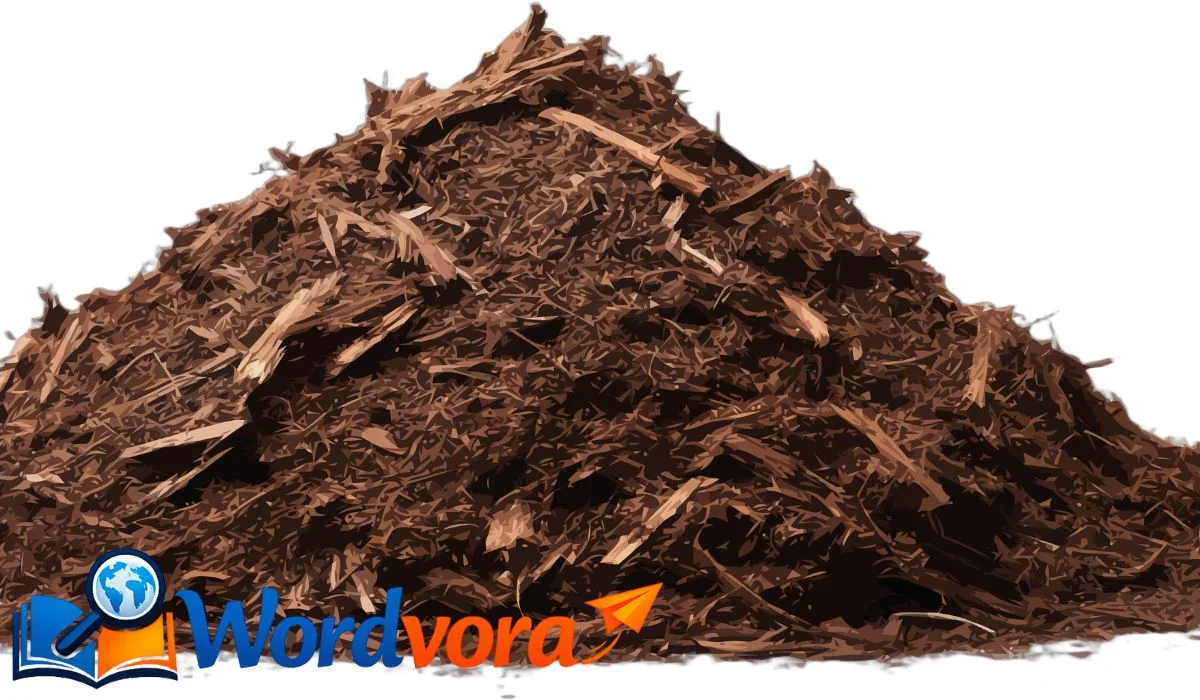
Decomposition (Noun) — US: /ˌdikɑmpəˈzɪʃən/ — UK: /ˌdiːkɒmpəˈzɪʃən/
- Meaning: The process of rotting or breaking down organic matter into simpler forms.
- Tone/Register: Scientific, formal.
- Example: The rapid decomposition of leaves enriched the forest soil.
- Example: Scientists tracked the chemical decomposition of the material in the lab.
Fragmentation (Noun) — US: /ˌfræɡmənˈteɪʃən/ — UK: /ˌfræɡmənˈteɪʃən/
- Meaning: The process of breaking something into small, separate fragments.
- Tone/Register: Academic, technical, formal.
- Example: Digital fragmentation makes it hard to keep a consistent brand image.
- Example: The fragmentation of the political party led to smaller factions.
Dissolution (Noun) — US: /ˌdɪsəˈluːʃən/ — UK: /ˌdɪsəˈluːʃən/
- Meaning: The official closing down or breaking up of a partnership, assembly, or legal bond.
- Tone/Register: Legal, formal.
- Example: The sudden dissolution of the committee surprised all its members.
- Example: They hired a lawyer to handle the dissolution of their business partnership.
Collapse (Noun) — US: /kəˈlæps/ — UK: /kəˈlæps/
- Meaning: A sudden, dramatic failure or falling of a structure, system, or organization.
- Tone/Register: Standard, dramatic, journalistic.
- Example: The unexpected collapse of the bridge halted morning traffic.
- Example: Economic pressures led to the total collapse of the local market.
Decay (Noun) — US: /dɪˈkeɪ/ — UK: /dɪˈkeɪ/
- Meaning: The state or process of rotting or declining in quality over a long period.
- Tone/Register: Standard, literary.
- Example: Tooth decay can be prevented by regular brushing and flossing.
- Example: Years of neglect caused the slow decay of the historic mansion.
Fragmentation (Noun) — US: /ˌfræɡmənˈteɪʃən/ — UK: /ˌfræɡmənˈteɪʃən/
- Meaning: The act or process of dividing into distinct and separate pieces.
- Tone/Register: Technical, formal.
- Example: Market fragmentation requires companies to target very specific audiences.
- Example: The book describes the cultural fragmentation of modern society.
Crumbling (Noun) — US: /ˈkrʌmblɪŋ/ — UK: /ˈkrʌmblɪŋ/
- Meaning: Breaking into small, loose fragments or powder.
- Tone/Register: Descriptive, informal.
- Example: The crumbling plaster exposed the old bricks underneath.
- Example: She swept up the crumbling cookie pieces from the counter.
Breakdown (Noun) — US: /ˈbreɪkdaʊn/ — UK: /ˈbreɪkdaʊn/
- Meaning: A failure of a relationship, machine, or communication system.
- Tone/Register: Everyday, professional.
- Example: A communication breakdown caused the project deadline to pass.
- Example: He experienced a severe mental breakdown after months of stress.
Fragmentation (Noun) — US: /ˌfræɡmənˈteɪʃən/ — UK: /ˌfræɡmənˈteɪʃən/
- Meaning: The breaking of a unified whole into disconnected parts.
- Tone/Register: Academic.
- Example: Media fragmentation has changed how advertisers reach consumers.
- Example: The fragmentation of data made the archive difficult to search.
Ruin (Noun) — US: /ˈruːɪn/ — UK: /ˈruːɪn/
- Meaning: The physical destruction or collapse of something, or the state of being ruined.
- Tone/Register: Dramatic, literary.
- Example: Bad financial choices brought the family business to total ruin.
- Example: The ancient temple now stands in lonely ruin.
Fragmentation (Noun) — US: /ˌfræɡmənˈteɪʃən/ — UK: /ˌfræɡmənˈteɪʃən/
- Meaning: The splitting of an entity into smaller pieces.
- Tone/Register: General academic.
- Example: Urban fragmentation separates communities into isolated neighborhoods.
- Example: The team suffered from the fragmentation of their daily schedule.
Fracturing (Noun) — US: /ˈfræktʃərɪŋ/ — UK: /ˈfræktʃərɪŋ/
- Meaning: The cracking or breaking of a hard surface or solid object.
- Tone/Register: Technical, medical, geological.
- Example: The fracturing of the bone required immediate medical attention.
- Example: Geologists study the fracturing of rock layers deep underground.
Erosion (Noun) — US: /ɪˈroʊʒən/ — UK: /ɪˈrəʊʃən/
- Meaning: The gradual wearing away or destruction of land, rock, or public trust.
- Tone/Register: Academic, environmental.
- Example: Coastal erosion threatens houses built near the cliff edge.
- Example: Constant scandals led to the erosion of public confidence.
Splintering (Noun) — US: /ˈsplɪntərɪŋ/ — UK: /ˈsplɪntərɪŋ/
- Meaning: Breaking into sharp, thin pieces or splitting a larger group apart.
- Tone/Register: Descriptive, journalistic.
- Example: The splintering wood made a loud cracking sound.
- Example: The splintering coalition struggled to pass new laws.
Dissipation (Noun) — US: /ˌdɪsəˈpeɪʃən/ — UK: /ˌdɪsɪˈpeɪʃən/
- Meaning: The gradual fading or disappearance of energy, waste, or a crowd.
- Tone/Register: Scientific, formal.
- Example: Scientists measured the dissipation of heat from the engine.
- Example: The wind helped speed up the dissipation of the heavy fog.
Fragmentation (Noun) — US: /ˌfræɡmənˈteɪʃən/ — UK: /ˌfræɡmənˈteɪʃən/
- Meaning: The process or state of breaking into small or separate parts.
- Tone/Register: Formal, academic.
- Example: The fragmentation of the media landscape makes unified messaging difficult.
- Example: Data fragmentation across multiple drives slowed down system performance.
Annihilation (Noun) — US: /əˌnaɪəˈleɪʃən/ — UK: /əˌnaɪəˈleɪʃən/
- Meaning: Destruction or total wiping out of existence.
- Tone/Register: Dramatic, formal.
- Example: The military strategy aimed at the total annihilation of the enemy fleet.
- Example: Scientists warn against the nuclear annihilation of modern civilization.
Shattering (Noun) — US: /ˈʃætərɪŋ/ — UK: /ˈʃætərɪŋ/
- Meaning: Breaking suddenly into many small pieces with force.
- Tone/Register: Descriptive, vivid.
- Example: The loud noise caused the sudden shattering of the glass window.
- Example: He heard the shattering of his dreams after the rejection letter arrived.
Dismantling (Noun) — US: /dɪsˈmæntəlɪŋ/ — UK: /dɪsˈmæntəlɪŋ/
- Meaning: Taking apart a structure, machine, or organization piece by piece.
- Tone/Register: Professional, technical.
- Example: The engineers began the dismantling of the old factory crane.
- Example: The reform plan required the complete dismantling of corrupt practices.
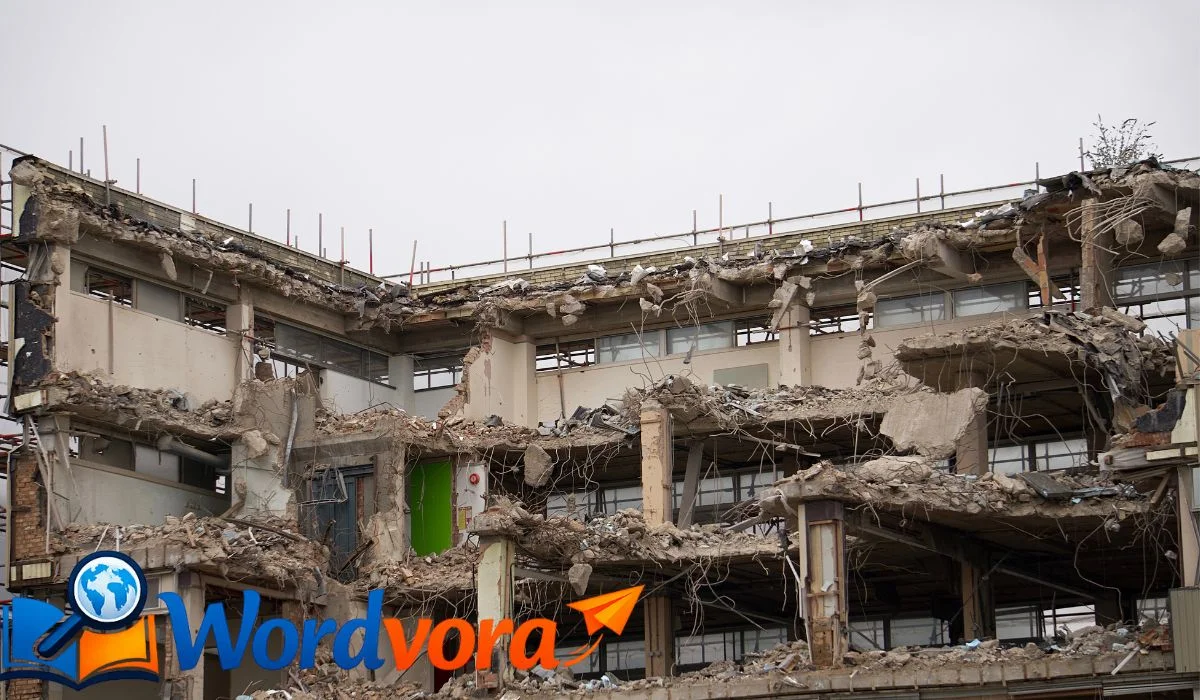
Demolition (Noun) — US: /ˌdɛməˈlɪʃən/ — UK: /ˌdɛməˈlɪʃən/
- Meaning: The tearing down or destroying of buildings or other structures.
- Tone/Register: Professional, construction.
- Example: City planners approved the demolition of the abandoned warehouse.
- Example: The demolition crew used heavy machinery to clear the block.
Fragmentation (Noun) — US: /ˌfræɡmənˈteɪʃən/ — UK: /ˌfræɡmənˈteɪʃən/
- Meaning: The division of something into distinct social or political segments.
- Tone/Register: Sociological, formal.
- Example: Cultural fragmentation can lead to isolated community bubbles.
- Example: The rapid fragmentation of the workforce challenged human resources.
Attrition (Noun) — US: /əˈtrɪʃən/ — UK: /əˈtrɪʃən/
- Meaning: The gradual reduction of strength or numbers through sustained pressure.
- Tone/Register: Business, military, academic.
- Example: The company faced high employee turnover due to constant corporate attrition.
- Example: The prolonged negotiations turned into a bitter war of attrition.
Corruption (Noun) — US: /kəˈrʌpʃən/ — UK: /kəˈrʌpʃən/
- Meaning: The moral decay or rotting of integrity and honesty within a system.
- Tone/Register: Formal, political.
- Example: Institutional corruption led to the steady disintegration of public trust.
- Example: Investigators uncovered widespread financial corruption in the office.
Deterioration (Noun) — US: /dɪˌtɪriəˈreɪʃən/ — UK: /dɪˌtɪəriəˈreɪʃən/
- Meaning: The process of becoming progressively worse over time.
- Tone/Register: Formal, medical, technical.
- Example: Doctors monitored the rapid deterioration of his physical health.
- Example: Weather conditions caused the rapid deterioration of the outdoor paint.
Blight (Noun) — US: /blaɪt/ — UK: /blaɪt/
- Meaning: A disease or condition that causes plant parts to wither or urban areas to decay.
- Tone/Register: Literary, environmental.
- Example: Urban blight turned the once-thriving district into empty lots.
- Example: A sudden crop blight ruined the entire seasonal harvest.
Devastation (Noun) — US: /ˌdɛvəˈsteɪʃən/ — UK: /ˌdɛvəˈsteɪʃən/
- Meaning: Great destruction or damage leaving an area in complete ruins.
- Tone/Register: Dramatic, journalistic.
- Example: The hurricane left widespread devastation along the coastal towns.
- Example: She looked at the emotional devastation caused by the betrayal.
Corrosion (Noun) — US: /kəˈroʊʒən/ — UK: /kəˈrəʊʒən/
- Meaning: The gradual destruction of materials, usually metals, by chemical reaction.
- Tone/Register: Scientific, technical.
- Example: Saltwater exposure speeds up the corrosion of ship hulls.
- Example: Regular maintenance protects metal pipes from internal corrosion.
Liquidation (Noun) — US: /ˌlɪkwəˈdeɪʃən/ — UK: /ˌlɪkwɪˈdeɪʃən/
- Meaning: The closing of a business and selling off its assets to pay debts.
- Tone/Register: Financial, legal.
- Example: The failing retail chain announced its mandatory liquidation.
- Example: Investors panicked during the sudden liquidation of stock assets.
Conflagration (Noun) — US: /ˌkɑnfləˈɡreɪʃən/ — UK: /ˌkɒnfləˈɡreɪʃən/
- Meaning: A large, destructive fire that spreads quickly across a vast area.
- Tone/Register: Literary, journalistic.
- Example: The massive conflagration reduced the historic district to ashes.
- Example: Political tensions threatened to spark a regional conflagration.
Subversion (Noun) — US: /səbˈvɜːrʒən/ — UK: /səbˈvɜːʃən/
- Meaning: The undermining of the power and authority of an established system.
- Tone/Register: Political, formal.
- Example: The secret group plotted the subversion of the ruling government.
- Example: Internal subversion weakened the stability of the institution.
Dilapidation (Noun) — US: /dɪˌlæpəˈdeɪʃən/ — UK: /dɪˌlæpɪˈdeɪʃən/
- Meaning: The state of being run-down, ruined, or decaying from neglect.
- Tone/Register: Architectural, formal.
- Example: Years of abandonment left the manor in deep dilapidation.
- Example: Landlords must fix properties showing signs of structural dilapidation.
Putrefaction (Noun) — US: /ˌpjuːtrəˈfækʃən/ — UK: /ˌpjuːtrɪˈfækʃən/
- Meaning: The rotting or decomposition of organic matter by bacteria or fungi.
- Tone/Register: Scientific, medical.
- Example: The foul odor signaled the early stage of biological putrefaction.
- Example: Forensic experts studied the rate of putrefaction in the soil.
Fracturing (Noun) — US: /ˈfræktʃərɪŋ/ — UK: /ˈfræktʃərɪŋ/
- Meaning: The splitting of a unified entity into fractured subsets.
- Tone/Register: Academic, professional.
- Example: Ideological fracturing prevented the committee from reaching a consensus.
- Example: The fracturing of traditional family structures shifted social norms.
Fragmentation (Noun) — US: /ˌfræɡmənˈteɪʃən/ — UK: /ˌfræɡmənˈteɪʃən/
- Meaning: The scattering of components across disconnected domains.
- Tone/Register: Technical.
- Example: Server fragmentation slowed down data retrieval speeds.
- Example: Task fragmentation prevents employees from focusing deeply.
Ruination (Noun) — US: /ˌruːɪˈneɪʃən/ — UK: /ˌruːɪˈneɪʃən/
- Meaning: The action or state of being ruined or brought to complete collapse.
- Tone/Register: Literary, dramatic.
- Example: Careless gambling led to the financial ruination of his family.
- Example: The tyrant brought total ruination upon the kingdom.
Fragmentation (Noun) — US: /ˌfræɡmənˈteɪʃən/ — UK: /ˌfræɡmənˈteɪʃən/
- Meaning: The breakdown of cohesive market segments.
- Tone/Register: Business, economic.
- Example: Global trade fragmentation disrupts international supply chains.
- Example: Brand fragmentation forces companies to adopt niche marketing.
Cracking (Noun) — US: /ˈkrækɪŋ/ — UK: /ˈkrækɪŋ/
- Meaning: Developing lines or splits on a surface before breaking.
- Tone/Register: Descriptive, everyday.
- Example: Winter frost caused visible cracking in the driveway concrete.
- Example: He noticed the cracking leather on his favorite armchair.
Dissociation (Noun) — US: /dɪˌsoʊʃiˈeɪʃən/ — UK: /dɪˌsəʊʃiˈeɪʃən/
- Meaning: The disconnection or separation of something from something else.
- Tone/Register: Psychological, formal.
- Example: Severe trauma can trigger feelings of emotional dissociation.
- Example: The company announced its legal dissociation from the parent brand.
Perishing (Noun) — US: /ˈpɛrɪʃɪŋ/ — UK: /ˈpɛrɪʃɪŋ/
- Meaning: The gradual dying out or destruction of living things or materials.
- Tone/Register: Literary, archaic.
- Example: The perishing of ancient manuscripts saddened the historians.
- Example: Extreme cold led to the perishing of tender garden shoots.
Splitting (Noun) — US: /ˈsplɪtɪŋ/ — UK: /ˈsplɪtɪŋ/
- Meaning: Dividing a group or object into two or more parts.
- Tone/Register: Conversational, standard.
- Example: The splitting of the inheritance caused family arguments.
- Example: She felt a sharp splitting pain behind her eyes.
Disjunction (Noun) — US: /dɪsˈdʒʌŋkʃən/ — UK: /dɪsˈdʒʌŋkʃən/
- Meaning: A lack of correspondence or a sharp separation between two things.
- Tone/Register: Academic, formal.
- Example: There is a clear disjunction between theory and practical application.
- Example: The disjunction in leadership caused employee confusion.

Wreckage (Noun) — US: /ˈrɛkɪdʒ/ — UK: /ˈrɛkɪdʒ/
- Meaning: The scattered pieces of something that has been ruined or destroyed.
- Tone/Register: Descriptive, journalistic.
- Example: Divers explored the wreckage of the sunken cargo ship.
- Example: Rescue workers cleared the wreckage off the highway lanes.
Schism (Noun) — US: /ˈskɪzəm/ — UK: /ˈskɪzəm/
- Meaning: A split or division between strongly opposed sections or parties.
- Tone/Register: Formal, religious, political.
- Example: Theological disagreements caused a permanent schism in the church.
- Example: Ideological differences created a deep schism within the party.
Seperation (Noun) — US: /ˌsɛpəˈreɪʃən/ — UK: /ˌsɛpəˈreɪʃən/
- Meaning: The action or state of moving or being moved apart.
- Tone/Register: Standard, formal.
- Example: The long physical separation tested their friendship.
- Example: Clear legal separation of duties prevents corporate fraud.
Fragmentation (Noun) — US: /ˌfræɡmənˈteɪʃən/ — UK: /ˌfræɡmənˈteɪʃən/
- Meaning: The scattering of attention or focus across multiple stimuli.
- Tone/Register: Educational, psychological.
- Example: Digital multitasking leads to the mental fragmentation of students.
- Example: Constant notifications cause cognitive fragmentation during work hours.
Demise (Noun) — US: /dɪˈmaɪz/ — UK: /dɪˈmaɪz/
- Meaning: The end or failure of an enterprise, institution, or person.
- Tone/Register: Formal, literary.
- Example: Changing consumer habits accelerated the demise of print newspapers.
- Example: Investors mourned the sudden demise of the tech startup.
Extinction (Noun) — US: /ɪkˈstɪŋkʃən/ — UK: /ɪkˈstɪŋkʃən/
- Meaning: The state or process of a species, family, or tradition dying out completely.
- Tone/Register: Scientific, formal.
- Example: Habitat loss pushes endangered wildlife closer to extinction.
- Example: Scholars work hard to prevent the extinction of native dialects.
Rarity (Noun) — US: /ˈrɛrəti/ — UK: /ˈrɛərəti/
- Meaning: The state of being uncommon, though less linked to active breaking. (Contextual variant)
- Tone/Register: Formal.
- Example: Its absolute scarcity makes proper preservation essential.
Fragmentation (Noun) — US: /ˌfræɡmənˈteɪʃən/ — UK: /ˌfræɡmənˈteɪʃən/
- Meaning: The division of a unified territory into smaller separate entities.
- Tone/Register: Geopolitical, formal.
- Example: Regional conflicts fueled the geopolitical fragmentation of the state.
- Example: The map showed the historical fragmentation of the empire.
Breakdown (Noun) — US: /ˈbreɪkdaʊn/ — UK: /ˈbreɪkdaʊn/
- Meaning: The mechanical failure of equipment halting operations.
- Tone/Register: Practical, technical.
- Example: A sudden engine breakdown delayed the cross-country delivery truck.
- Example: Regular tune-ups help prevent unexpected machinery breakdowns.
Fragmentation (Noun) — US: /ˌfræɡmənˈteɪʃən/ — UK: /ˌfræɡmənˈteɪʃən/
- Meaning: The process or state of breaking into small or separate parts.
- Tone/Register: Formal, academic.
- Example: The fragmentation of the media landscape makes unified messaging difficult.
- Example: Data fragmentation across multiple drives slowed down system performance.
Annihilation (Noun) — US: /əˌnaɪəˈleɪʃən/ — UK: /əˌnaɪəˈleɪʃən/
- Meaning: Destruction or total wiping out of existence.
- Tone/Register: Dramatic, formal.
- Example: The military strategy aimed at the total annihilation of the enemy fleet.
- Example: Scientists warn against the nuclear annihilation of modern civilization.
Shattering (Noun) — US: /ˈʃætərɪŋ/ — UK: /ˈʃætərɪŋ/
- Meaning: Breaking suddenly into many small pieces with force.
- Tone/Register: Descriptive, vivid.
- Example: The loud noise caused the sudden shattering of the glass window.
- Example: He heard the shattering of his dreams after the rejection letter arrived.
Dismantling (Noun) — US: /dɪsˈmæntəlɪŋ/ — UK: /dɪsˈmæntəlɪŋ/
- Meaning: Taking apart a structure, machine, or organization piece by piece.
- Tone/Register: Professional, technical.
- Example: The engineers began the dismantling of the old factory crane.
- Example: The reform plan required the complete dismantling of corrupt practices.
Demolition (Noun) — US: /ˌdɛməˈlɪʃən/ — UK: /ˌdɛməˈlɪʃən/
- Meaning: The tearing down or destroying of buildings or other structures.
- Tone/Register: Professional, construction.
- Example: City planners approved the demolition of the abandoned warehouse.
- Example: The demolition crew used heavy machinery to clear the block.
Fragmentation (Noun) — US: /ˌfræɡmənˈteɪʃən/ — UK: /ˌfræɡmənˈteɪʃən/
- Meaning: The division of something into distinct social or political segments.
- Tone/Register: Sociological, formal.
- Example: Cultural fragmentation can lead to isolated community bubbles.
- Example: The rapid fragmentation of the workforce challenged human resources.
Attrition (Noun) — US: /əˈtrɪʃən/ — UK: /əˈtrɪʃən/
- Meaning: The gradual reduction of strength or numbers through sustained pressure.
- Tone/Register: Business, military, academic.
- Example: The company faced high employee turnover due to constant corporate attrition.
- Example: The prolonged negotiations turned into a bitter war of attrition.
Corruption (Noun) — US: /kəˈrʌpʃən/ — UK: /kəˈrʌpʃən/
- Meaning: The moral decay or rotting of integrity and honesty within a system.
- Tone/Register: Formal, political.
- Example: Institutional corruption led to the steady disintegration of public trust.
- Example: Investigators uncovered widespread financial corruption in the office.
Deterioration (Noun) — US: /dɪˌtɪriəˈreɪʃən/ — UK: /dɪˌtɪəriəˈreɪʃən/
- Meaning: The process of becoming progressively worse over time.
- Tone/Register: Formal, medical, technical.
- Example: Doctors monitored the rapid deterioration of his physical health.
- Example: Weather conditions caused the rapid deterioration of the outdoor paint.
Blight (Noun) — US: /blaɪt/ — UK: /blaɪt/
- Meaning: A disease or condition that causes plant parts to wither or urban areas to decay.
- Tone/Register: Literary, environmental.
- Example: Urban blight turned the once-thriving district into empty lots.
- Example: A sudden crop blight ruined the entire seasonal harvest.
Devastation (Noun) — US: /ˌdɛvəˈsteɪʃən/ — UK: /ˌdɛvəˈsteɪʃən/
- Meaning: Great destruction or damage leaving an area in complete ruins.
- Tone/Register: Dramatic, journalistic.
- Example: The hurricane left widespread devastation along the coastal towns.
- Example: She looked at the emotional devastation caused by the betrayal.
Corrosion (Noun) — US: /kəˈroʊʒən/ — UK: /kəˈrəʊʒən/
- Meaning: The gradual destruction of materials, usually metals, by chemical reaction.
- Tone/Register: Scientific, technical.
- Example: Saltwater exposure speeds up the corrosion of ship hulls.
- Example: Regular maintenance protects metal pipes from internal corrosion.
Liquidation (Noun) — US: /ˌlɪkwəˈdeɪʃən/ — UK: /ˌlɪkwɪˈdeɪʃən/
- Meaning: The closing of a business and selling off its assets to pay debts.
- Tone/Register: Financial, legal.
- Example: The failing retail chain announced its mandatory liquidation.
- Example: Investors panicked during the sudden liquidation of stock assets.
Conflagration (Noun) — US: /ˌkɑnfləˈɡreɪʃən/ — UK: /ˌkɒnfləˈɡreɪʃən/
- Meaning: A large, destructive fire that spreads quickly across a vast area.
- Tone/Register: Literary, journalistic.
- Example: The massive conflagration reduced the historic district to ashes.
- Example: Political tensions threatened to spark a regional conflagration.
Subversion (Noun) — US: /səbˈvɜːrʒən/ — UK: /səbˈvɜːʃən/
- Meaning: The undermining of the power and authority of an established system.
- Tone/Register: Political, formal.
- Example: The secret group plotted the subversion of the ruling government.
- Example: Internal subversion weakened the stability of the institution.
Dilapidation (Noun) — US: /dɪˌlæpəˈdeɪʃən/ — UK: /dɪˌlæpɪˈdeɪʃən/
- Meaning: The state of being run-down, ruined, or decaying from neglect.
- Tone/Register: Architectural, formal.
- Example: Years of abandonment left the manor in deep dilapidation.
- Example: Landlords must fix properties showing signs of structural dilapidation.
Putrefaction (Noun) — US: /ˌpjuːtrəˈfækʃən/ — UK: /ˌpjuːtrɪˈfækʃən/
- Meaning: The rotting or decomposition of organic matter by bacteria or fungi.
- Tone/Register: Scientific, medical.
- Example: The foul odor signaled the early stage of biological putrefaction.
- Example: Forensic experts studied the rate of putrefaction in the soil.
Fracturing (Noun) — US: /ˈfræktʃərɪŋ/ — UK: /ˈfræktʃərɪŋ/
- Meaning: The splitting of a unified entity into fractured subsets.
- Tone/Register: Academic, professional.
- Example: Ideological fracturing prevented the committee from reaching a consensus.
- Example: The fracturing of traditional family structures shifted social norms.
Fragmentation (Noun) — US: /ˌfræɡmənˈteɪʃən/ — UK: /ˌfræɡmənˈteɪʃən/
- Meaning: The scattering of components across disconnected domains.
- Tone/Register: Technical.
- Example: Server fragmentation slowed down data retrieval speeds.
- Example: Task fragmentation prevents employees from focusing deeply.
Ruination (Noun) — US: /ˌruːɪˈneɪʃən/ — UK: /ˌruːɪˈneɪʃən/
- Meaning: The action or state of being ruined or brought to complete collapse.
- Tone/Register: Literary, dramatic.
- Example: Careless gambling led to the financial ruination of his family.
- Example: The tyrant brought total ruination upon the kingdom.
Fragmentation (Noun) — US: /ˌfræɡmənˈteɪʃən/ — UK: /ˌfræɡmənˈteɪʃən/
- Meaning: The breakdown of cohesive market segments.
- Tone/Register: Business, economic.
- Example: Global trade fragmentation disrupts international supply chains.
- Example: Brand fragmentation forces companies to adopt niche marketing.
Cracking (Noun) — US: /ˈkrækɪŋ/ — UK: /ˈkrækɪŋ/
- Meaning: Developing lines or splits on a surface before breaking.
- Tone/Register: Descriptive, everyday.
- Example: Winter frost caused visible cracking in the driveway concrete.
- Example: He noticed the cracking leather on his favorite armchair.
Dissociation (Noun) — US: /dɪˌsoʊʃiˈeɪʃən/ — UK: /dɪˌsəʊʃiˈeɪʃən/
- Meaning: The disconnection or separation of something from something else.
- Tone/Register: Psychological, formal.
- Example: Severe trauma can trigger feelings of emotional dissociation.
- Example: The company announced its legal dissociation from the parent brand.
Perishing (Noun) — US: /ˈpɛrɪʃɪŋ/ — UK: /ˈpɛrɪʃɪŋ/
- Meaning: The gradual dying out or destruction of living things or materials.
- Tone/Register: Literary, archaic.
- Example: The perishing of ancient manuscripts saddened the historians.
- Example: Extreme cold led to the perishing of tender garden shoots.
Splitting (Noun) — US: /ˈsplɪtɪŋ/ — UK: /ˈsplɪtɪŋ/
- Meaning: Dividing a group or object into two or more parts.
- Tone/Register: Conversational, standard.
- Example: The splitting of the inheritance caused family arguments.
- Example: She felt a sharp splitting pain behind her eyes.
Disjunction (Noun) — US: /dɪsˈdʒʌŋkʃən/ — UK: /dɪsˈdʒʌŋkʃən/
- Meaning: A lack of correspondence or a sharp separation between two things.
- Tone/Register: Academic, formal.
- Example: There is a clear disjunction between theory and practical application.
- Example: The disjunction in leadership caused employee confusion.
Wreckage (Noun) — US: /ˈrɛkɪdʒ/ — UK: /ˈrɛkɪdʒ/
- Meaning: The scattered pieces of something that has been ruined or destroyed.
- Tone/Register: Descriptive, journalistic.
- Example: Divers explored the wreckage of the sunken cargo ship.
- Example: Rescue workers cleared the wreckage off the highway lanes.
Schism (Noun) — US: /ˈskɪzəm/ — UK: /ˈskɪzəm/
- Meaning: A split or division between strongly opposed sections or parties.
- Tone/Register: Formal, religious, political.
- Example: Theological disagreements caused a permanent schism in the church.
- Example: Ideological differences created a deep schism within the party.
Seperation (Noun) — US: /ˌsɛpəˈreɪʃən/ — UK: /ˌsɛpəˈreɪʃən/
- Meaning: The action or state of moving or being moved apart.
- Tone/Register: Standard, formal.
- Example: The long physical separation tested their friendship.
- Example: Clear legal separation of duties prevents corporate fraud.
Fragmentation (Noun) — US: /ˌfræɡmənˈteɪʃən/ — UK: /ˌfræɡmənˈteɪʃən/
- Meaning: The scattering of attention or focus across multiple stimuli.
- Tone/Register: Educational, psychological.
- Example: Digital multitasking leads to the mental fragmentation of students.
- Example: Constant notifications cause cognitive fragmentation during work hours.
Demise (Noun) — US: /dɪˈmaɪz/ — UK: /dɪˈmaɪz/
- Meaning: The end or failure of an enterprise, institution, or person.
- Tone/Register: Formal, literary.
- Example: Changing consumer habits accelerated the demise of print newspapers.
- Example: Investors mourned the sudden demise of the tech startup.
Extinction (Noun) — US: /ɪkˈstɪŋkʃən/ — UK: /ɪkˈstɪŋkʃən/
- Meaning: The state or process of a species, family, or tradition dying out completely.
- Tone/Register: Scientific, formal.
- Example: Habitat loss pushes endangered wildlife closer to extinction.
- Example: Scholars work hard to prevent the extinction of native dialects.
Rarity (Noun) — US: /ˈrɛrəti/ — UK: /ˈrɛərəti/
- Meaning: The state of being uncommon, though less linked to active breaking. (Contextual variant)
- Tone/Register: Formal.
- Example: Its absolute scarcity makes proper preservation essential.
Fragmentation (Noun) — US: /ˌfræɡmənˈteɪʃən/ — UK: /ˌfræɡmənˈteɪʃən/
- Meaning: The division of a unified territory into smaller separate entities.
- Tone/Register: Geopolitical, formal.
- Example: Regional conflicts fueled the geopolitical fragmentation of the state.
- Example: The map showed the historical fragmentation of the empire.
Breakdown (Noun) — US: /ˈbreɪkdaʊn/ — UK: /ˈbreɪkdaʊn/
- Meaning: The mechanical failure of equipment halting operations.
- Tone/Register: Practical, technical.
- Example: A sudden engine breakdown delayed the cross-country delivery truck.
- Example: Regular tune-ups help prevent unexpected machinery breakdowns.
Synonyms by Tone
Choosing the right synonym depends entirely on the tone you want to convey in your writing or speech.
- Positive tone: There are no truly positive synonyms for this concept, as it inherently describes loss or destruction.
- Neutral tone: Decomposition, dissolution, fragmentation, dissipation.
- Negative tone: Collapse, ruin, decay, breakdown, erosion.
- Playful / Informal tone: Crumbling, splintering.
Tone matters because using a formal scientific term like decomposition in a casual chat sounds robotic, while using an informal word like crumbling in a legal contract lacks necessary precision.

Mini Comparison: Collapse vs. Dissolution vs. Decay
- Collapse implies a sudden, dramatic failure. Think of a building crashing down or an economy failing overnight.
- Dissolution refers to a formal, structured end. Think of a parliament dissolving or a corporate partnership ending legally.
- Decay describes a slow, natural process of rotting or declining over time, such as teeth or abandoned property.
Use collapse for speed and drama, dissolution for official legal endings, and decay for gradual time-based wear.
Context-Based Usage
- Daily conversation: In casual talk, native speakers prefer simple words like breaking down, falling apart, or crumbling.
- Writing or blogging: Bloggers use collapse or fragmentation to make points punchy and engaging for readers.
- Professional or academic tone: Academic writers rely on precise terms like decomposition, dissolution, or erosion to maintain authority.
- Creative or informal use: Fiction writers love words like splintering or ruin to build emotional tension in descriptive scenes.
More Synonyms for Disintegration, Disintegrate, and Related Words
The words disintegration and disintegrate have several alternatives depending on the context. While disintegration is a noun describing the process of breaking apart, disintegrate is a verb that describes the action of losing structural unity. Understanding their different forms helps you choose the most accurate word for everyday conversation, academic writing, and professional communication.
Synonyms of Disintegrate (Verb)
Disintegrate means to break into smaller parts, lose cohesion, or stop functioning as a unified whole. Common synonyms include:
- Break apart: To separate into smaller pieces.
- Fall apart: To lose physical strength or unity.
- Crumble: To break into small pieces or powder.
- Fragment: To divide into separate parts.
- Decompose: To break down into simpler substances, especially organic matter.
- Deteriorate: To become progressively worse.
- Collapse: To fall or fail suddenly.
- Splinter: To break into sharp, narrow pieces.
- Dissolve: To disperse in a liquid or gradually cease to exist as a unified entity.
- Disintegrate: To lose cohesion and break into separate parts.
Examples:
- The old wall began to crumble after years of exposure to rain.
- The political coalition started to fall apart after disagreements among its leaders.
- Organic waste decomposes naturally under suitable conditions.
- The fragile material disintegrates when exposed to extreme heat.
Synonyms for Disintegrating
Disintegrating describes something that is currently breaking apart, deteriorating, or losing its structure.
Suitable alternatives include crumbling, fragmenting, deteriorating, breaking apart, falling apart, and decomposing.
Examples:
- The disintegrating staircase posed a serious safety risk.
- The crumbling staircase posed a serious safety risk.
- The deteriorating relationship became increasingly difficult to repair.
- The decomposing leaves enriched the garden soil.
The best synonym depends on the subject. Physical structures may be crumbling, relationships may be falling apart, and organic materials may be decomposing.
Synonyms for Disintegrated
Disintegrated is the past tense and past participle of disintegrate. It describes something that has broken apart or lost its original structure.
Common alternatives include broken apart, fragmented, crumbled, decomposed, deteriorated, and collapsed.
Examples:
- The old wooden frame had crumbled into small pieces.
- The organization fragmented into several independent groups.
- The abandoned building had deteriorated considerably over the years.
- The weakened structure collapsed during the storm.
These alternatives are not always interchangeable. For example, decomposed usually suits organic matter, while collapsed describes a structure or system that has failed.
Synonyms for Disintegrates
Disintegrates is the third-person singular form of the verb disintegrate. Depending on the sentence, it can be replaced with breaks apart, crumbles, fragments, deteriorates, decomposes, or falls apart.
Examples:
- The material disintegrates when exposed to moisture.
- The material crumbles when exposed to moisture.
- The old structure deteriorates without regular maintenance.
- The unstable coalition falls apart because of internal disagreements.
Synonyms of Disintegration: Thesaurus Guide
A thesaurus groups synonyms according to their meaning and usage. The following words are useful alternatives to disintegration:
| Synonym | Best context |
|---|---|
| Decomposition | Organic matter and chemical processes |
| Fragmentation | Dividing a whole into separate parts |
| Collapse | Sudden structural or organizational failure |
| Deterioration | Gradual decline in condition |
| Decay | Slow physical or organic deterioration |
| Dissolution | Formal ending of an organization or partnership |
| Erosion | Gradual wearing away or weakening |
| Disintegration | General loss of structural unity |
| Crumbling | Breaking into small pieces |
| Disunity | Loss of agreement or unity |
| Ruin | Severe destruction or loss |
| Breakdown | Failure of a machine, system, relationship, or process |
Formal Synonyms for Breaking Down
In academic and professional writing, breaking down can be replaced with several more precise expressions.
- Degradation: A reduction in quality, strength, or performance.
- Deterioration: A progressive decline in condition.
- Decomposition: The breakdown of organic matter or a substance into simpler components.
- Disintegration: The loss of structural cohesion.
- Structural failure: The inability of a structure to maintain its intended integrity.
- Dissolution: The formal ending of a partnership, organization, or legal arrangement.
- Fragmentation: The division of a unified whole into separate parts.
Example: Instead of writing, “The building was breaking down,” a formal report might state, “The building showed significant structural deterioration.”
Antonyms of Disintegration
The antonyms of disintegration describe unity, stability, reconstruction, or the process of bringing separate elements together.
Common antonyms and related opposites include:
- Integration: Combining separate elements into a unified whole.
- Unification: Bringing separate groups or entities together.
- Consolidation: Combining or strengthening separate parts.
- Cohesion: The state of being united or connected.
- Reconstruction: Rebuilding something damaged or destroyed.
- Reassembly: Putting separated parts together again.
- Reintegration: Restoring something to a unified or integrated state.
- Stability: The condition of remaining firm or steady.
Example: The integration of separate departments improved coordination and reduced organizational fragmentation.
The best antonym depends on the context. Integration is suitable for groups and systems, while reconstruction is more appropriate when something damaged must be rebuilt.
Synonyms for Dissolution
Dissolution refers to the formal ending of an organization, partnership, assembly, or legal relationship. It can also describe the process of a substance dissolving in a liquid.
Related words include termination, disbandment, breakup, ending, separation, and liquidation.
Examples:
- The termination of the agreement ended the partnership.
- The disbandment of the committee followed months of disagreement.
- The liquidation of the company involved selling its assets to settle debts.
These words have different applications. Liquidation is specifically associated with winding up a business and dealing with its assets, while disbandment commonly refers to a group or organization.
Synonyms for Emotional Breakdown
An emotional breakdown generally refers to a period of intense emotional distress that makes it difficult for someone to manage everyday responsibilities.
Depending on the intended meaning, related expressions include:
- Emotional collapse: A severe loss of emotional resilience.
- Psychological distress: Significant mental or emotional suffering.
- Emotional exhaustion: Feeling emotionally depleted after prolonged stress.
- Overwhelming distress: Intense emotional suffering.
- Mental health crisis: A situation in which someone’s mental health needs urgent attention.
- Psychological strain: Pressure that affects emotional well-being.
Examples:
- Months of pressure left him experiencing severe emotional exhaustion.
- She sought support when overwhelming distress began affecting her daily life.
- The prolonged crisis placed considerable psychological strain on the entire team.
These expressions describe different experiences and are not exact substitutes in every situation.
Synonyms for Emotionally Devastated
The phrase emotionally devastated describes experiencing intense sadness, shock, grief, or emotional pain.
Useful alternatives include heartbroken, shattered, grief-stricken, deeply distressed, overwhelmed, and emotionally crushed.
Examples:
- She was heartbroken after learning that the relationship had ended.
- The family was grief-stricken by the unexpected loss.
- He felt shattered after receiving the disappointing news.
- The betrayal left her deeply distressed.
Use grief-stricken when referring to profound grief, heartbroken for emotional pain or loss, and overwhelmed when feelings become difficult to manage.
Synonyms for the Erosion of Trust
The phrase erosion of trust describes a gradual weakening of confidence in a person, institution, or organization.
Suitable alternatives include loss of trust, weakening of confidence, decline in public confidence, deterioration of trust, and undermining of credibility.
Examples:
- Repeated scandals caused a gradual loss of public trust.
- Poor communication weakened employees’ confidence in management.
- The organization’s lack of transparency undermined its credibility.
Loss of trust is the simplest alternative, while undermining of credibility is especially useful in formal and professional writing.
Synonyms for Political Fragmentation
Political fragmentation occurs when a political party, coalition, state, or political community divides into separate groups or competing factions.
Related expressions include political division, factionalization, splintering, disunity, breakup of a coalition, and political disintegration.
Examples:
- Ideological disagreements led to the fragmentation of the political party.
- Internal divisions weakened the ruling coalition.
- Factionalization made it difficult for party leaders to reach an agreement.
- The splintering of the alliance changed the political landscape.
Factionalization emphasizes the emergence of competing groups, while political disintegration can suggest the more extensive breakdown of a political entity.
Is “Disintegrity” a Word?
Disintegrity is not a standard, commonly accepted word in contemporary English. The correct alternative depends on what you want to express.
- Disintegration: The process of breaking apart or losing unity.
- Disunity: A lack of agreement or cohesion.
- Lack of integrity: A failure to demonstrate honesty or strong moral principles.
- Dishonesty: The act or quality of being dishonest.
- Disintegration of trust: The gradual breakdown of confidence in someone or something.
Examples:
- Incorrect: The disintegrity of the organization damaged its reputation.
- Better: The lack of integrity within the organization damaged its reputation.
- Better, for structural breakdown: The disintegration of the organization weakened its ability to function.
Choosing the correct word ensures that your writing conveys the intended meaning accurately.
Simple Synonyms for Disintegration
In everyday English, simpler alternatives often sound more natural than formal vocabulary.
Common choices include breaking apart, falling apart, crumbling, breaking down, splitting up, and coming apart.
Examples:
- The old box is falling apart.
- The dry soil crumbled in my hands.
- The team began splitting up after the disagreement.
- The machine broke down during the operation.
For formal writing, use a more precise word such as deterioration, fragmentation, or dissolution when it accurately reflects the situation.
Common Mistakes & Native Usage
Common Mistakes Learners Make
- Misuse scenarios: Using decomposition for a financial market crash. Financial systems collapse, not decompose.
- Confusing tone: Using overly dramatic words like ruin when describing minor technical glitches.
- Overuse warnings: Repeating the word disintegration in every paragraph makes your writing sound repetitive.
Register Notes
- Spoken English favors shorter phrasal verbs like fall apart.
- Written English rewards precise nouns like fragmentation and dissolution.
Real-Life Mini Scenarios
- Workplace: The unexpected resignation of three managers led to the operational fragmentation of the tech department.
- Social situations: The once-tight friendship group suffered a slow breakdown after years of unspoken jealousy.
- Media/pop culture: The documentary explored the cultural decay of inner-city neighborhoods during the 1980s.
- Writing or storytelling: She watched the ancient empire slide into total ruin from her high tower window.
Practice Exercise
- Which synonym for disintegration best describes the official closing of a business partnership?
- A) Decay
- B) Dissolution
- C) Splintering
- D) Crumbling
- What tone does decomposition usually have in scientific writing?
- A) Playful
- B) Negative
- C) Neutral/Formal
- D) Humorous
- Which synonym for disintegration best describes a sudden bridge failure?
- A) Collapse
- B) Dissolution
- C) Erosion
- D) Decomposition
- If a wooden deck gradually rots over many years, which synonym for disintegration fits best?
- A) Collapse
- B) Decay
- C) Dissolution
- D) Fragmentation
- Market division into smaller, specialized niches is best described as:
- A) Ruin
- B) Fragmentation
- C) Dissipation
- D) Collapse
- Which word best describes the gradual erosion of public confidence?
- A) Erosion
- B) Splintering
- C) Crumbling
- D) Dissolution
- What part of speech is the word disintegration?
- A) Verb
- B) Adjective
- C) Noun
- D) Adverb
- Which synonym for disintegration works best in an informal conversation about a stale cookie?
- A) Decomposition
- B) Crumbling
- C) Dissolution
- D) Fragmentation
- The Latin root of disintegration, integer, means:
- A) Broken
- B) Whole
- C) Small
- D) Fast
- Which synonym for disintegration best fits a scientific study tracking heat loss?
- A) Dissipation
- B) Decay
- C) Ruin
- D) Collapse
Reflection Task
Write one short, original sentence using fragmentation to describe a modern digital habit.
Answer Key
1: B | 2: C | 3: A | 4: B | 5: B | 6: A | 7: C | 8: B | 9: B | 10: A
Conclusion
Learning synonyms for disintegration can make your writing clearer, more precise, and more engaging. Choosing the right synonym helps you describe breaking apart, decay, collapse, or gradual separation with greater accuracy.
Using different synonyms for disintegration can strengthen your vocabulary for essays, blogs, professional writing, and everyday conversations. Each word has a slightly different meaning, tone, and context.
Keep practicing synonyms for disintegration in your writing and daily communication. The more you use precise vocabulary, the more confidently and effectively you can express complex ideas.
Frequently Asked Questions
What Are the Best Synonyms for Disintegration?
Common synonyms for disintegration include dissolution, decomposition, fragmentation, decay, collapse, erosion, crumbling, and splintering.
What Is the Difference Between Disintegration and Decomposition?
Disintegration generally means breaking into smaller parts, while decomposition often refers to the natural breakdown of organic matter. The best choice depends on the context.
What Is a Simple Synonym for Disintegration?
Breaking apart is a simple alternative to disintegration. Depending on the situation, collapse, decay, crumbling, or fragmentation may also work.
Can Disintegration Be Used in a Sentence?
Yes. For example: “The gradual disintegration of the old building made it unsafe.” Here, disintegration means the building was slowly breaking down.
Which Synonym for Disintegration Is Best for Formal Writing?
For formal writing, words such as dissolution, decomposition, fragmentation, deterioration, and erosion can be useful. Choose the synonym that most accurately matches your intended meaning.

Hasnain Ali is an SEO Content Strategist and the founder of wordvora.com, a trusted vocabulary platform that helps writers, students, professionals, and English learners find accurate synonyms, antonyms, word meanings, and real-life usage examples. He specializes in keyword research, on-page SEO, topical authority, and creating search-first content that aligns with Google’s latest Search Quality and E-E-A-T guidelines. His work focuses on producing clear, well-structured, and reader-friendly resources that satisfy search intent while maintaining high editorial standards.
Through extensive hands-on experience with SEO tools such as Google Search Console, Google Analytics, SEMrush, and Ahrefs, Hasnain researches user search behavior and develops content that is both informative and easy to understand. Every article published on wordvora.com is carefully reviewed for accuracy, readability, and contextual relevance before publication. His mission is to build one of the web’s most reliable English vocabulary resources by providing practical language guidance, trustworthy explanations, and content that helps readers improve their writing, communication, and vocabulary with confidence.