Synonyms for danced can make your writing more vivid when describing movement, rhythm, celebration, or graceful actions in different situations.
Imagine a performer moving across a stage while music fills the room. Words like swayed, twirled, or spun can capture different styles of movement.
Learning synonyms for danced helps students, bloggers, storytellers, and English learners add variety and avoid repeating the same word in their writing.
Understanding synonyms for danced also makes descriptions more expressive and engaging. The best alternative depends on the dancer’s movement, speed, style, and emotion.
Core Meaning Section
What Does “Danced” Really Mean?
Danced refers to moving rhythmically to music, typically following a set sequence of steps. It represents a physical expression of joy, art, or celebration through bodily movement.
Native speakers understand danced as both professional stage choreography and casual social movement at parties. The emotional tone is positive and energetic, focusing entirely on rhythm, motion, and artistic expression.
This word appears constantly in storytelling, music reviews, party descriptions, and cultural articles. As a verb in the past tense, danced describes movement executed in time to musical beats.
Connotative Meaning
- Positive tone: Represents joyous celebration, graceful artistry, vibrant energy, and freedom.
- Neutral tone: Refers objectively to physical movement performed to a rhythmic beat.
- Negative tone: Can imply frantic chaos, jittery agitation, or erratic stumbling.
- Connotation: (The emotional or cultural associations surrounding a word beyond its strict dictionary definition.)
Etymology
The word danced originates from Old French danser, meaning to move rhythmically. Its deeper historical roots trace back to Germanic origins relating to stretching or pulling.
- Old English (450–1100): The concept was expressed through native terms like tītan or general verbs of leaping, long before the French loanword arrived.
- Middle English (1100–1500): The verb daunsen entered the language via Anglo-Norman French following the Norman Conquest.
- Modern English (1500–Present): By the early modern period, danced became the standard regular past-tense verb for rhythmic movement.
Pronunciation
- US: /dænst/
- UK: /dɑːnst/
Syllables
danced
Affixation Pattern
- Root: dance (from Old French danser)
- Prefix: None
- Suffix: -d (past tense inflection)
Synonyms List
Swayed (Verb) — US: /sweɪd/ | UK: /sweɪd/
- Meaning: Moved slowly or rhythmically back and forth.
- Tone/Register: Gentle, Literary
- Examples:
- The couple swayed gently to the slow acoustic melody.
- Tall pine trees swayed in the evening breeze.
Whirled (Verb) — US: /wɜːrld/ | UK: /wɜːld/
- Meaning: Moved or caused to move rapidly round and round in a circle.
- Tone/Register: Energetic, Dynamic
- Examples:
- Dancers whirled across the polished ballroom floor.
- Leaves whirled wildly in the autumn windstorm.
Spun (Verb) — US: /spʌn/ | UK: /spʌn/
- Meaning: Turned or caused to turn around quickly on a central point.
- Tone/Register: Standard, Everyday
- Examples:
- She spun around to show off her new red dress.
- The ice skater spun gracefully during the routine.
Leapt (Verb) — US: /lɛpt/ | UK: /lɛpt/
- Meaning: Jumped or sprang a long distance or great height with lively movement.
- Tone/Register: Energetic, Literary
- Examples:
- Ballet performers leapt high into the air during the climax.
- He leapt across the stream with effortless agility.
Hopped (Verb) — US: /hɑːpt/ | UK: /hɒpt/
- Meaning: Moved by quick, short jumps.
- Tone/Register: Informal, Playful
- Examples:
- Children hopped around the garden in sheer excitement.
- The rabbit hopped through the open gate.
Bounded (Verb) — US: /ˈbaʊndɪd/ | UK: /ˈbaʊndɪd/
- Meaning: Walked or ran with leaping strides.
- Tone/Register: Enthusiastic, Narrative
- Examples:
- The puppy bounded across the lawn to greet its owner.
- Actors bounded onto the stage with vibrant energy.
Stepped (Verb) — US: /stɛpt/ | UK: /stɛpt/
- Meaning: Lifted and set down one foot to walk or dance.
- Tone/Register: Standard, Precise
- Examples:
- They stepped carefully in time with the traditional folk music.
- He stepped forward to lead the partner rotation.
Pranced (Verb) — US: /prænst/ | UK: /prɑːnst/
- Meaning: Moved with high, springy steps confidently.
- Tone/Register: Lively, Expressive
- Examples:
- Show horses pranced proudly around the show ring.
- The children pranced around the room playing pretend.
Gambolled (Verb) — US: /ˈɡæmbəld/ | UK: /ˈɡæmbəld/
- Meaning: Ran or jumped about playfully.
- Tone/Register: Literary, Playful
- Examples:
- Lambs gambolled happily in the sunlit meadow.
- Puppies gambolled across the backyard grass.
Frolicked (Verb) — US: /ˈfrɑːlɪkt/ | UK: /ˈfrɒlɪkt/
- Meaning: Played and moved about cheerfully, excitedly, or energetically.
- Tone/Register: Joyful, Casual
- Examples:
- The kids frolicked in the shallow ocean waves.
- Friends frolicked through the park after the concert.

Jive (Verb) — US: /dʒaɪv/ | UK: /dʒaɪv/
- Meaning: To dance to upbeat jazz or rock-and-roll music.
- Tone/Register: Informal, Energetic
- Examples:
- Couples began to jive when the fast band started playing.
- They loved to jive together at weekend socials.
Boogied (Verb) — US: /ˈbuːɡid/ | UK: /ˈbuːɡid/
- Meaning: Danced to pop or rock music in an uninhibited style.
- Tone/Register: Informal, Fun
- Examples:
- Party guests boogied under the flashing disco lights.
- Everyone boogied until the music stopped at midnight.
Traded Steps (Verb) — US: /treɪdɪd stɛps/ | UK: /treɪdɪd steps/
- Meaning: Exchanged rhythmic movements in a casual social setting.
- Tone/Register: Descriptive, Social
- Examples:
- The street performers traded steps in a friendly rhythm battle.
- Dancers traded steps while the crowd cheered loudly.
Glided (Verb) — US: /ˈɡlaɪdɪd/ | UK: /ˈɡlaɪdɪd/
- Meaning: Moved smoothly and continuously with effortless grace.
- Tone/Register: Elegant, Formal
- Examples:
- Ballroom champions glided effortlessly across the floor.
- Ice dancers glided smoothly past the judges.
Floated (Verb) — US: /ˈfloʊtɪd/ | UK: /ˈfləʊtɪd/
- Meaning: Moved lightly and effortlessly through space.
- Tone/Register: Poetic, Descriptive
- Examples:
- The ballerina floated across the stage like a feather.
- Melodies floated softly while couples moved together.
Swung (Verb) — US: /swʌŋ/ | UK: /swʌŋ/
- Meaning: Moved or caused to move back and forth or in a curve.
- Tone/Register: Energetic, Standard
- Examples:
- Partners swung each other around in a fast-paced routine.
- The pendulum swung steadily against the wall.
Twirled (Verb) — US: /twɜːrld/ | UK: /twɜːld/
- Meaning: Switched or spun rapidly round and round.
- Tone/Register: Playful, Expressive
- Examples:
- She twirled in her new yellow summer skirt.
- Dancers twirled ribbons through the air during the festival.
Cavorted (Verb) — US: /kəˈvɔːrtɪd/ | UK: /kəˈvɔːtɪd/
- Meaning: Jumped or danced around excitedly.
- Tone/Register: Literary, Lively
- Examples:
- Actors cavorted playfully across the open theater stage.
- Children cavorted through the sprinklers on a hot afternoon.
Skipped (Verb) — US: /skɪpt/ | UK: /skɪpt/
- Meaning: Moved along with light, bounding steps, alternately hopping on each foot.
- Tone/Register: Playful, Youthful
- Examples:
- Little kids skipped joyfully down the sidewalk.
- She skipped across the room to answer the phone.
Jiggled (Verb) — US: /ˈdʒɪɡəld/ | UK: /ˈdʒɪɡəld/
- Meaning: Moved lightly up and down or from side to side.
- Tone/Register: Casual, Informal
- Examples:
- He jiggled his feet to the beat of the radio song.
- The lively tune made everyone’s shoulders jiggle with laughter.
Trotted (Verb) — US: /ˈtrɑːtɪd/ | UK: /ˈtrɒtɪd/
- Meaning: Proceeded with brisk, short steps.
- Tone/Register: Casual, Descriptive
- Examples:
- Dancers trotted out in formation for the opening number.
- The young performers trotted into position eagerly.
Swept (Verb) — US: /swɛpt/ | UK: /swɛpt/
- Meaning: Moved swiftly and smoothly in a wide curve.
- Tone/Register: Dramatic, Literary
- Examples:
- He swept his partner across the spacious ballroom floor.
- Wind swept through the valley while festival-goers celebrated.
Stepped Out (Verb) — US: /stɛpt aʊt/ | UK: /stɛpt aʊt/
- Meaning: Went out socially for dancing and entertainment.
- Tone/Register: Idiomatic, Friendly
- Examples:
- The couple stepped out for a night of jazz and dancing.
- Friends stepped out downtown to enjoy the weekend nightlife.
Romped (Verb) — US: /rɑːmpt/ | UK: /rɒmpt/
- Meaning: Played roughly and energetically in a lively manner.
- Tone/Register: Informal, Energetic
- Examples:
- Dancers romped through the final high-energy routine.
- The troupe romped across the stage with wild abandon.
Pulsed (Verb) — US: /pʌlst/ | UK: /pʌlst/
- Meaning: Expanded and contracted rhythmically, or vibrated with energy.
- Tone/Register: Expressive, Modern
- Examples:
- The nightclub floor pulsed with rhythmic movement.
- Music pulsed through the speakers while the crowd jumped.
Tripped (Verb) — US: /trɪpt/ | UK: /trɪpt/
- Meaning: Moved with quick, light steps.
- Tone/Register: Literary, Light
- Examples:
- Dancers tripped lightly across the stage to the flute melody.
- She tripped down the hallway humming a cheerful tune.
Swirled (Verb) — US: /swɜːrld/ | UK: /swɜːld/
- Meaning: Moved in a twisting or circling pattern.
- Tone/Register: Expressive, Dynamic
- Examples:
- Partners swirled together as the waltz reached its peak.
- Colorful skirts swirled around the performers in bright blurs.
Bobbed (Verb) — US: /bɑːbd/ | UK: /bɒbd/
- Meaning: Moved up and down in a short, rhythmic motion.
- Tone/Register: Casual, Playful
- Examples:
- He bobbed his head to the heavy bassline of the song.
- Crowd members bobbed cheerfully in time with the live band.
Bounced (Verb) — US: /ˈbaʊnst/ | UK: /ˈbaʊnst/
- Meaning: Rebounded or moved with energetic springiness.
- Tone/Register: Energetic, Casual
- Examples:
- Dancers bounced energetically during the high-tempo workout routine.
- Kids bounced around the room in absolute delight.
Rocked (Verb) — US: /rɑːkt/ | UK: /rɒkt/
- Meaning: Moved gently back and forth or swayed rhythmically.
- Tone/Register: Informal, Relaxed
- Examples:
- They rocked softly to the acoustic guitar’s rhythm.
- Concertgoers rocked back and forth during the final encore.
Strutted (Verb) — US: /ˈstrʌtɪd/ | UK: /ˈstrʌtɪd/
- Meaning: Walked with a proud, confident gait, often in a stylish performance.
- Tone/Register: Bold, Fashion
- Examples:
- Runway models strutted down the catwalk to heavy electronic beats.
- The troupe strutted into the spotlight with absolute confidence.
Stomped (Verb) — US: /stɑːmpt/ | UK: /stɒmpt/
- Meaning: Stepped heavily and noisily on the ground in rhythm.
- Tone/Register: Energetic, Folk
- Examples:
- Traditional folk dancers stomped their boots against the wooden floor.
- The crowd stomped in unison to demand an encore performance.
Pulsated (Verb) — US: /ˈpʌl.seɪ.tɪd/ | UK: /ˈpʌl.seɪ.tɪd/
- Meaning: Expanded and contracted with a strong, steady rhythm.
- Tone/Register: Dramatic, Modern
- Examples:
- The entire club floor pulsated as hundreds of people moved together.
- Neon lights pulsated in time with the dancers’ movements.
Rhythmic Stepped (Verb) — US: /ˈrɪð.mɪk stɛpt/ | UK: /ˈrɪð.mɪk stɛpt/
- Meaning: Executed a measured sequence of beats with the feet.
- Tone/Register: Descriptive, Technical
- Examples:
- The drill team rhythmically stepped across the courtyard in formation.
- Performers rhythmically stepped to the beat of the marching drums.
Prinked (Verb) — US: /prɪŋkt/ | UK: /prɪŋkt/
- Meaning: Dressed up and moved about with showy display.
- Tone/Register: Archaic, Playful
- Examples:
- Actors prinked in vintage costumes before taking the stage.
- The characters prinked around the parlor in playful mockery.
Shimmied (Verb) — US: /ˈʃɪmid/ | UK: /ˈʃɪmid/
- Meaning: Shook or oscillated the body horizontally with quick, slight movements.
- Tone/Register: Lively, Expressive
- Examples:
- Dancers shimmied their shoulders under the bright stage lights.
- She shimmied across the floor with infectious energy.
Agitated (Verb) — US: /ˈædʒɪteɪtɪd/ | UK: /ˈædʒɪteɪtɪd/
- Meaning: Moved rapidly or restlessly back and forth.
- Tone/Register: Restless, Intense
- Examples:
- The frantic crowd agitated wildly as the heavy music intensified.
- Dancers agitated their limbs in a chaotic modern art piece.
Wiggled (Verb) — US: /ˈwɪɡəld/ | UK: /ˈwɪɡəld/
- Meaning: Traveled or moved with short, quick side-to-side twists.
- Tone/Register: Casual, Playful
- Examples:
- Little toddlers wiggled their hips to the nursery rhymes.
- The puppy wiggled in excitement when the music started.
Flourished (Verb) — US: /ˈflɜːrɪʃt/ | UK: /ˈflʌrɪʃt/
- Meaning: Moved or waved an item or body part with dramatic flair.
- Tone/Register: Theatrical, Dramatic
- Examples:
- The lead dancer flourished her cape during the dramatic spin.
- Performers flourished their arms in unison at the finale.
Swished (Verb) — US: /swɪʃt/ | UK: /swɪʃt/
- Meaning: Moved with a soft hissing or rustling sound through the air.
- Tone/Register: Descriptive, Poetic
- Examples:
- Long silk dresses swished as the couples turned in circles.
- Her skirt swished softly against her ankles with every step.
Vaulted (Verb) — US: /ˈvɔːltɪd/ | UK: /ˈvɔːltɪd/
- Meaning: Leapt over an obstacle or moved with an athletic bound.
- Tone/Register: Athletic, Energetic
- Examples:
- Acrobatic dancers vaulted across the studio in mid-air routines.
- He vaulted onto the elevated platform with stunning agility.
Pranced About (Verb) — US: /prænst əˈbaʊt/ | UK: /prɑːnst əˈbaʊt/
- Meaning: Moved around in a lively, showy, or high-spirited way.
- Tone/Register: Casual, Expressive
- Examples:
- Children pranced about the living room playing dress-up.
- The comedy actors pranced about the stage, making everyone laugh.
Trotted Out (Verb) — US: /ˈtrɑːtɪd aʊt/ | UK: /ˈtrɒtɪd aʊt/
- Meaning: Brought forward or presented in a lively, sequential manner.
- Tone/Register: Idiomatic, Stage
- Examples:
- The instructor trotted out new dance pairs for the final exam.
- The troupe trotted out routine after routine without resting.
Swung Out (Verb) — US: /swʌŋ aʊt/ | UK: /swʌŋ aʊt/
- Meaning: Extended arms or legs widely while turning in a social dance.
- Tone/Register: Idiomatic, Retro
- Examples:
- Dance partners swung out wide during the energetic swing song.
- They swung out their arms to create space on the crowded floor.
Footed (Verb) — US: /ˈfʊtɪd/ | UK: /ˈfʊtɪd/
- Meaning: Executed steps in a dance or walked rhythmically.
- Tone/Register: Traditional, Literary
- Examples:
- Villagers footed the traditional reels during the harvest festival.
- Couples footed it merrily through the long summer evening.
Synonyms by Tone
Understanding tone ensures your word choice matches your mood and narrative style. Using playful slang in a formal ballet review sounds out of place, while using stiff academic terms in a lively party story feels unnatural.
- Formal / Elegant: Glided, Floated, Swayed, Swept
- Neutral / Everyday: Spun, Whirled, Stepped, Twirled
- Playful / Informal: Boogied, Jive, Frolicked, Hopped, Skipped
Mini Comparison
Danced vs. Glided vs. Whirled
- Danced: Refers broadly to any rhythmic movement to music, suitable for any style or context. Use it as a reliable baseline verb.
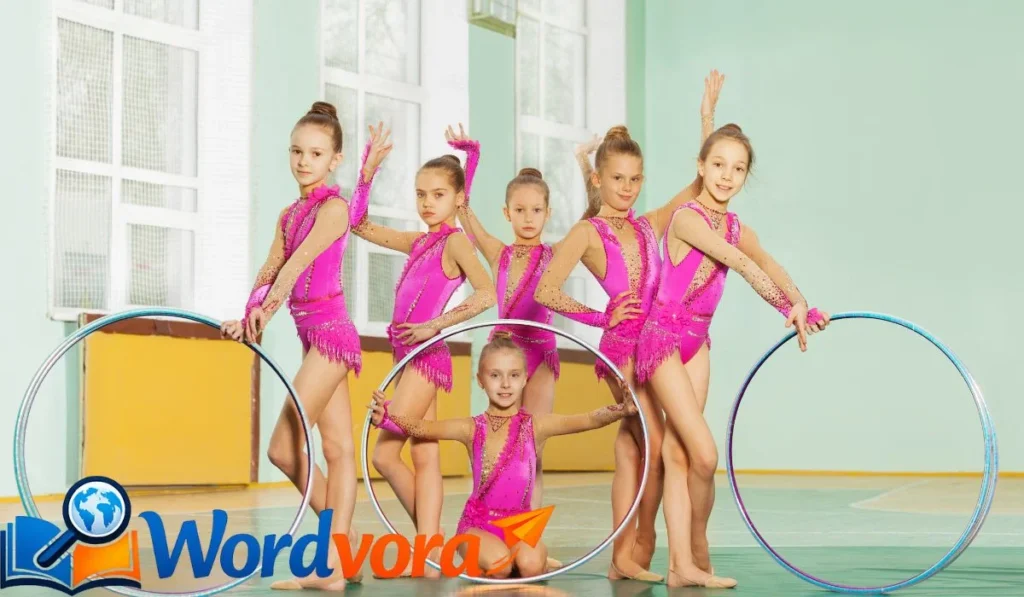
- Glided: Specifically denotes smooth, effortless, and graceful motion without abrupt jerks. Use it when describing formal ballroom or ballet performances.
- Whirled: Emphasizes rapid circular rotation and high energy. Use it when describing fast spins, dynamic turns, or chaotic party movement.
Context-Based Usage
Daily Conversation
In casual everyday talk, speakers rely on simple, familiar words like danced, spun, or boogied. People rarely use terms like cavorted or gambolled when discussing weekend parties.
Writing or Blogging
Bloggers and content creators mix standard terms like danced with expressive verbs like twirled or swayed. This keeps readers engaged without overwhelming them with obscure vocabulary.
Professional or Academic Tone
Dance reviews, arts journalism, and academic essays require precise movement terminology. Writers choose terms like glided, floated, or stepped to maintain critical authority.
Creative or Informal Use
Storytellers and novelists often use colorful action verbs such as whirled, leapt, or bounded to build vivid imagery and character emotion.
Other Ways to Say Dance, Dancing, and Dance Performance
If you are looking for another way to say dance, dancing, dance moves, or dance performance, the best word depends on the movement, style, energy, and context. Some alternatives describe the act of dancing itself, while others focus on a particular movement or performance style.
Another Word for Dance
Common alternatives for dance include sway, whirl, spin, step, twirl, glide, move, jive, boogie, and swing. Each word gives a slightly different impression.
- Sway: Move gently from side to side, often with music.
- Whirl: Move or turn rapidly in circles.
- Spin: Turn quickly around a central point.
- Step: Move the feet in a particular sequence or rhythm.
- Twirl: Turn around playfully or quickly.
- Glide: Move smoothly and gracefully.
- Jive: Dance energetically to upbeat jazz or rock-and-roll music.
- Boogie: Dance freely and enthusiastically, especially to popular music.
- Swing: Move or dance with a back-and-forth motion.
For example, instead of saying, “They danced across the floor,” you could say, “They glided across the floor” when the movement is graceful, or “They whirled across the floor” when the movement is fast and circular.
Dance Synonyms in English
Some useful English words and expressions related to dance include:
Swayed, spun, whirled, twirled, stepped, glided, floated, swung, jived, boogied, skipped, bounced, rocked, stomped, shimmied, and swirled.
The correct choice depends on what kind of movement you want to describe. For example, glided suggests smooth and elegant movement, while stomped suggests strong and rhythmic foot movements.
Another Word for Dancing
Another word for dancing can be moving rhythmically, swaying, spinning, twirling, gliding, jiving, boogieing, swinging, or grooving, depending on the situation.
For a general description, moving rhythmically is useful. For a graceful style, gliding or floating may be more appropriate.
Dance Moves Synonyms
If you need another way to describe dance moves, you can use phrases such as dance steps, movements, rhythmic movements, steps, motions, gestures, or choreographed movements.
The choice depends on the context:
- Dance steps: Specific footwork or sequences used in dancing.
- Movements: A broad and neutral term for physical actions.
- Rhythmic movements: Movements performed in time with a beat.
- Motions: General physical actions.
- Gestures: Expressive movements of the body, hands, or arms.
- Choreographed movements: Planned and organized movements used in a performance.
For example, “The dancer performed several difficult dance moves” can also be expressed as “The dancer performed several difficult dance steps” when referring specifically to footwork.
Dance Steps Synonyms
Common alternatives for dance steps include steps, footwork, movements, rhythmic steps, dance movements, and choreographed steps.
Footwork is especially useful when describing the movement and placement of the feet. Choreographed steps emphasize that the movements have been planned or arranged for a performance.
Another Word for Dance Performance
Instead of dance performance, you can use phrases such as dance routine, dance act, choreographed performance, dance presentation, or dancing display.
- Dance routine: A planned sequence of dance movements.
- Dance act: A performance presented as part of a show or event.
- Choreographed performance: A carefully planned performance with organized movements.
- Dance presentation: A more formal way to describe a dance shown to an audience.
- Dancing display: A descriptive phrase emphasizing the visual presentation of movement.
For formal or professional writing, choreographed performance or dance routine can be useful when the movement has been deliberately planned.
Energetic Dance Synonyms
When describing energetic dancing, useful words include jived, boogied, whirled, bounced, stomped, shimmied, cavorted, and frolicked.
These words emphasize different types of energy:
- Jived: Suggests lively dancing to upbeat music.
- Boogied: Suggests informal, uninhibited dancing.
- Whirled: Emphasizes fast circular movement.
- Bounced: Suggests energetic, springy movement.
- Stomped: Emphasizes strong and rhythmic steps.
- Shimmied: Suggests quick shaking or oscillating movements.
- Cavorted: Suggests excited or playful movement.
- Frolicked: Suggests cheerful and energetic movement.
For example, “The crowd boogied under the lights” creates a more informal feeling than “The crowd moved rhythmically under the lights.”
Poetic Synonyms for Dance and Dancing
For poetic or expressive writing, words such as glided, floated, swayed, swirled, swept, twirled, and flourished can create a more vivid image.
- Glided: Suggests smooth, effortless, graceful movement.
- Floated: Suggests light and effortless movement.
- Swayed: Suggests gentle movement from side to side.
- Swirled: Suggests twisting or circular movement.
- Swept: Suggests dramatic, smooth movement across a space.
- Twirled: Suggests playful or graceful turning.
- Flourished: Suggests dramatic movement performed with style or flair.
For example, instead of “The ballerina danced across the stage,” a more poetic description could be, “The ballerina floated across the stage.”
Danceable Synonym
Danceable describes music or a rhythm that makes people want to dance or is suitable for dancing. Depending on the context, related expressions include rhythmic, lively, upbeat, energetic, or suitable for dancing.
For example:
- “The song has a danceable beat.”
- “The track has an upbeat and rhythmic sound.”
- “The music is suitable for dancing.”
The best alternative depends on whether you are describing the rhythm, energy, or suitability of the music for dancing.
Dance in Other Words
If you want to express dance in other words, choose a synonym according to the movement you want to emphasize:
- General: Move rhythmically
- Gentle: Sway
- Graceful: Glide or float
- Circular: Whirl, spin, or twirl
- Energetic: Jive, boogie, bounce, or stomp
- Playful: Frolic, skip, or cavort
- Dramatic: Sweep or flourish
This allows you to replace the general word dance with a more precise verb that shows exactly how the person moved.
Quick Comparison
| Expression | Best for | Tone |
|---|---|---|
| Dance | General rhythmic movement | Neutral |
| Sway | Gentle side-to-side movement | Soft |
| Glide | Smooth, graceful movement | Elegant |
| Whirl | Fast circular movement | Energetic |
| Twirl | Quick or playful turning | Expressive |
| Jive | Upbeat social dancing | Informal |
| Boogie | Uninhibited dancing | Casual |
| Stomp | Strong rhythmic footwork | Energetic |
| Shimmied | Quick body shaking | Lively |
| Floated | Light, effortless movement | Poetic |
| Dance routine | Planned sequence of movements | Neutral/Formal |
| Footwork | Specific movement of the feet | Technical |
Common Mistakes & Native Usage
Common Mistakes Learners Make
- Using formal verbs in casual stories: Writing that children “glided” across the playground sounds overly stiff and unnatural.
- Confusing circular motion with linear movement: Assuming “whirled” means a straight walk leads to confusing imagery.
- Overusing repetitive action verbs: Repeating “danced” in every sentence makes narrative prose feel dry and robotic.
Register Notes
Match your register to your narrative tone. Casual conversation favors lively words like boogied, while literary writing benefits from graceful verbs like swayed and glided.
Real-Life Mini Scenarios
- Workplace: The dance instructor demonstrated how students glided across the studio floor.
- Social Situations: Party guests boogied under the bright lights when the DJ dropped a favorite song.
- Media / Pop Culture: The music video featured backup dancers who whirled in perfect synchronized harmony.
- Writing / Storytelling: The protagonist spun gracefully across the stage as the audience applauded wildly.
Practice Exercise
1. Which term is best suited for a formal ballet review describing smooth, effortless movement?
- A) Boogied
- B) Glided
- C) Hopped
- D) Jiggled
2. When referring to fast, circular spinning motion on a dance floor, which word is most natural?
- A) Swayed
- B) Whirled
- C) Stepped
- D) Trotted
3. If a writer wants to describe children playing and jumping cheerfully outdoors, which verb fits best?
- A) Frolicked
- B) Glided
- C) Swung
- D) Pulsed
4. Which informal term would a party blogger use to describe uninhibited dancing to pop music?
- A) Gambolled
- B) Boogied
- C) Cavorted
- D) Floated
5. What is the primary tone of the word “swayed” in a descriptive sentence?
- A) Frantic
- B) Gentle
- C) Slang
- D) Technical
6. Which word describes high, springy leaps performed by professional performers?
- A) Leapt
- B) Jiggled
- C) Trotted
- D) Stepped
7. When describing show horses moving with high, confident steps, which word is most appropriate?
- A) Pranced
- B) Spun
- C) Skipped
- D) Boogied
8. Which word describes movement that is light and bouncing, often done by children?
- A) Skipped
- B) Glided
- C) Swept
- D) Pulsed
9. What tone does the word “boogied” convey in conversation?
- A) Formal
- B) Academic
- C) Informal
- D) Legal
10. Which term should you avoid in a formal literary essay about classical dance?
- A) Swayed
- B) Boogied
- C) Glided
- D) Leapt
Reflection Task
Write a short sentence using the word “glided” to describe a graceful movement.
Answer Key: 1-B, 2-B, 3-A, 4-B, 5-B, 6-A, 7-A, 8-A, 9-C, 10-B
Conclusion
Learning synonyms for danced can help you describe movement, rhythm, and emotion with greater detail. Words like swayed, twirled, and spun add variety.
Using synonyms for danced can make stories, essays, blogs, and creative writing more vivid and engaging. Choosing the right word helps readers picture each movement clearly.
By practicing synonyms for danced, you can expand your vocabulary and make your English more expressive. Try these alternatives in your stories, essays, and everyday writing.
Frequently Asked Questions
What is the difference between danced and whirled?
Danced is a broad term for moving rhythmically to music in any style. Whirled specifically emphasizes rapid, high-energy circular rotation or spinning motion.
When should I use glided instead of danced?
Use glided when you want to emphasize smooth, effortless, and graceful motion without heavy bouncing, such as in ballet or ice skating. Use danced for general rhythmic movement.
Are slang terms like boogied acceptable in formal writing?
No, slang terms are strictly for informal conversations, casual blogging, or creative storytelling. Formal essays and professional reviews require standard descriptive verbs like swayed or stepped.
How do native speakers describe energetic party movement?
Native speakers commonly use words like boogied, jived, or spun to describe lively, uninhibited social dancing at parties and celebrations.
Why is using synonyms for danced important in storytelling?
Using varied action verbs prevents repetitive phrasing, enhances descriptive imagery, and helps readers vividly visualize the exact style and energy of the movement.

Hasnain Ali is an SEO Content Strategist and the founder of wordvora.com, a trusted vocabulary platform that helps writers, students, professionals, and English learners find accurate synonyms, antonyms, word meanings, and real-life usage examples. He specializes in keyword research, on-page SEO, topical authority, and creating search-first content that aligns with Google’s latest Search Quality and E-E-A-T guidelines. His work focuses on producing clear, well-structured, and reader-friendly resources that satisfy search intent while maintaining high editorial standards.
Through extensive hands-on experience with SEO tools such as Google Search Console, Google Analytics, SEMrush, and Ahrefs, Hasnain researches user search behavior and develops content that is both informative and easy to understand. Every article published on wordvora.com is carefully reviewed for accuracy, readability, and contextual relevance before publication. His mission is to build one of the web’s most reliable English vocabulary resources by providing practical language guidance, trustworthy explanations, and content that helps readers improve their writing, communication, and vocabulary with confidence.