

Understanding Synonyms for Chafed can help you express irritation, discomfort, or friction more accurately in your writing. Whether you’re describing physical skin irritation or emotional frustration, using the right alternative words improves clarity and keeps your content engaging.
Learning Synonyms for Chafed is useful for students, writers, editors, and English learners who want to expand their vocabulary. Choosing suitable alternatives helps avoid repetition, enhances readability, and ensures your message fits different contexts and writing styles.
This guide explores Synonyms for Chafed with clear meanings, practical examples, and related words to help you select the best alternative for any situation. By strengthening your vocabulary, you can create natural, informative, and SEO-friendly content that connects with your audience.
Core Meaning Section
What Does “Chafed” Really Mean?
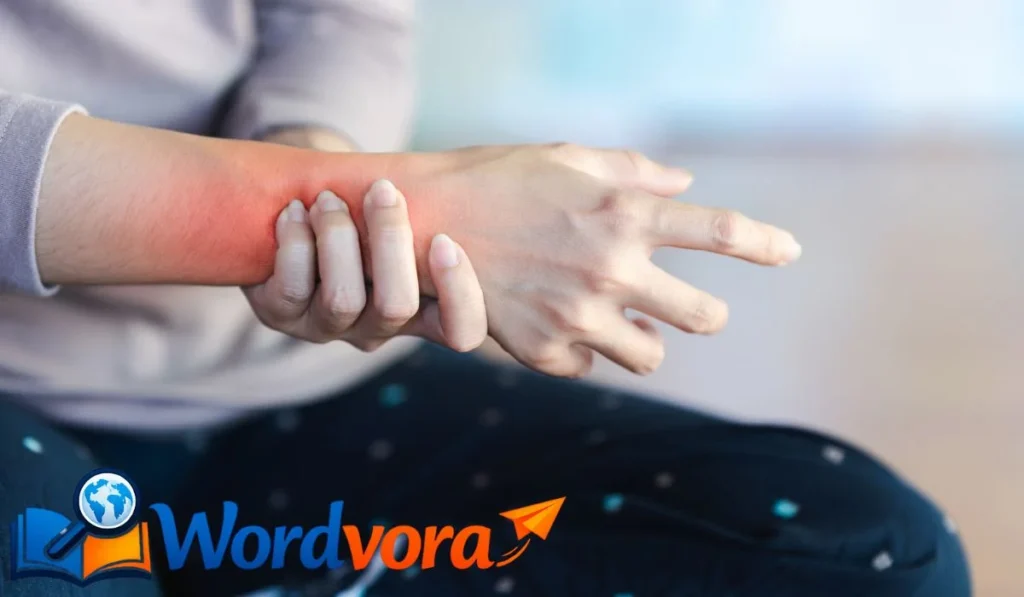
Chafed means made sore, raw, or irritated by friction, rubbing, or continuous pressure against the skin. It can also describe a figurative sense of annoyance or impatience caused by restrictions.
The emotional tone of this word is generally physical, uncomfortable, negative, or strained. It carries a sense of tactile irritation, soreness, and physical friction.
Native speakers understand it as a description of skin rubbed raw by clothing or movement. You hear it when athletes talk about marathon gear or hikers dealing with heavy packs. It implies a sharp, uncomfortable rubbing sensation.
It appears frequently in sports journalism, medical articles, outdoor adventure blogs, and daily conversations. You hear it when people talk about winter skin dryness or improper clothing fit.
Part of Speech: Adjective (past participle of chafe). Simple Definition: Made sore or irritated by rubbing, friction, or minor restriction.
Connotative Meaning
- Positive tone: Rarely positive, except when describing rugged outdoor endurance or hard physical effort.
- Negative tone: Strongly negative, conveying discomfort, pain, raw skin, and annoyance.
- Neutral tone: Used clinically in medical text to describe friction dermatitis or skin redness.
- Connotation definition: (The emotional and cultural associations surrounding a word beyond its strict dictionary definition.)
Etymology
The word stems from Old French chauffer, meaning “to warm” or “to heat,” derived from Latin calefacere. The meaning shifted from heating by friction to the literal rubbing and soreness produced by that friction.
- Old English (450–1100): Early Germanic friction terms paved the way for tactile irritation concepts.
- Middle English (1100–1500): Absorbed Old French chauffer relating to rubbing warmth and friction sores.
- Modern English (1500–Present): Standardized into both physical skin irritation and figurative mental annoyance.
Pronunciation & Syllables
- US: /tʃeɪft/
- UK: /tʃeɪft/
Syllables: chafed (single syllable)
Affixation Pattern:
- Root: Chafe (verb root from Old French)
- Prefix: None
- Suffix: -ed (past participle suffix making it an adjective)
Synonyms List
Irritated (Adjective) — US: /ˈɪr.ə.t̬eɪ.t̬ɪd/ / UK: /ˈɪr.ɪ.teɪ.tɪd/
- Meaning: Made sore, inflamed, or annoyed through physical contact or friction.
- Tone/Register: Standard / Medical
- Example: The runner applied soothing cream to his irritated skin after the race.
- Example: Her sensitive skin easily gets irritated by rough wool sweaters.
Sore (Adjective) — US: /sɔːr/ / UK: /sɔː/
- Meaning: Feeling painful, tender, or raw to the touch due to overuse or rubbing.
- Tone/Register: Conversational / Everyday
- Example: His shoulders felt sore after carrying a heavy backpack all afternoon.
- Example: She treated her sore heels with protective athletic tape.
Abraded (Adjective) — US: /əˈbreɪ.dɪd/ / UK: /əˈbreɪ.dɪd/
- Meaning: Scraped, worn away, or damaged by friction against a rough surface.
- Tone/Register: Medical / Technical
- Example: The cyclist’s knee was abraded after a minor spill on the gravel path.
- Example: Inspectors checked the abraded rubber seals on the window frames.
Raw (Adjective) — US: /rɑː/ / UK: /rɔː/
- Meaning: Red, tender, and sensitive because the outer layer of skin has rubbed off.
- Tone/Register: Descriptive / Vivid
- Example: The cold wind left her cheeks feeling raw and exposed.
- Example: Long hours of rowing left blisters and raw spots on his palms.
Blistered (Adjective) — US: /ˈblɪs.tɚd/ / UK: /ˈblɪs.təd/
- Meaning: Having small pockets of fluid on the skin caused by friction or burns.
- Tone/Register: Practical / Descriptive
- Example: His feet were blistered after wearing ill-fitting shoes during the hike.
- Example: Gardeners often end up with blistered hands after handling shovels all day.
Rubbed (Adjective) — US: /rʌbd/ / UK: /rʌbd/
- Meaning: Damaged or worn thin through continuous friction against another object.
- Tone/Register: Casual / Direct
- Example: The fabric on the chair arms was rubbed thin from years of use.
- Example: Her skin was rubbed red by the stiff collar of her new coat.
Scraped (Adjective) — US: /skreɪpt/ / UK: /skreɪpt/
- Meaning: Injured or roughened by contact with a rough or sharp surface.
- Tone/Register: Everyday / Informal
- Example: The child came inside with scraped knees from playing on the pavement.
- Example: He had a scraped elbow after tripping over the garden hose.
Inflamed (Adjective) — US: /ɪnˈfleɪmd/ / UK: /ɪnˈfleɪmd/
- Meaning: Red, swollen, and painful due to injury, infection, or friction.
- Tone/Register: Medical / Formal
- Example: The doctor examined the inflamed skin around the fresh tattoo.
- Example: Applying ice helps reduce the swelling on inflamed tissue.
Raw-skinned (Adjective) — US: /rɑː skɪnd/ / UK: /rɔː skɪnd/
- Meaning: Having exposed, tender skin stripped of its protective outer layer.
- Tone/Register: Expressive / Descriptive
- Example: The swimmer emerged from the cold water looking raw-skinned and shivering.
- Example: Strong chemical cleansers left her hands feeling dry and raw-skinned.
Scuffed (Adjective) — US: /skʌft/ / UK: /skʌft/
- Meaning: Marked or grazed by scraping against a hard surface.
- Tone/Register: Casual / Material
- Example: His leather boots were scuffed after walking through the rocky trail.
- Example: The wooden floor was scuffed where heavy furniture had been dragged.
Excoriated (Adjective) — US: /ɪkˈskɔːr.i.eɪ.tɪd/ / UK: /ɪkˈskɔː.ri.eɪ.tɪd/
- Meaning: Damaged or removed by intense friction or harsh scratching.
- Tone/Register: Medical / Formal
- Example: The medical report noted excoriated skin areas from constant rubbing.
- Example: Dermatologists treat excoriated tissue with gentle protective balms.
Galling (Adjective) — US: /ˈɡɑː.lɪŋ/ / UK: /ˈɡɔː.lɪŋ/
- Meaning: Causing severe friction sores or bitter annoyance and irritation.
- Tone/Register: Literary / Descriptive
- Example: The galling straps of the harness left deep red marks on his shoulders.
- Example: He found the bureaucratic delay deeply galling.
Friction-burned (Adjective) — US: /ˈfrɪk.ʃən bɝːnd/ / UK: /ˈfrɪk.ʃən bɜːnd/
- Meaning: Burned or scraped raw by rapid rubbing against a surface.
- Tone/Register: Athletic / Technical
- Example: The gymnast suffered a friction-burned palm from the uneven bars.
- Example: Sliding across the turf left him with a painful friction-burned knee.
Tender (Adjective) — US: /ˈten.dɚ/ / UK: /ˈten.də/
- Meaning: Painful or sensitive to the touch when injured or rubbed.
- Tone/Register: Gentle / Conversational
- Example: His sunburned shoulders were still tender days after the beach trip.
- Example: She avoided wearing tight clothes while her skin felt tender.
Raw-edged (Adjective) — US: /rɑː edʒd/ / UK: /rɔː edʒd/
- Meaning: Having rough, sore, or exposed borders where friction occurred.
- Tone/Register: Descriptive / Literary
- Example: The wind gave his lips a raw-edged and painful texture.
- Example: The collar left a raw-edged irritation along her neckline.
Grazed (Adjective) — US: /ɡreɪzd/ / UK: /ɡreɪzd/
- Meaning: Scraped superficially by contact with a rough surface.
- Tone/Register: Standard / Common
- Example: He wiped dirt away from his grazed knuckles after the fall.
- Example: The car’s side mirror was grazed against the garage wall.
Reddened (Adjective) — US: /ˈred.ənd/ / UK: /ˈred.ənd/
- Meaning: Turned pink or red from heat, friction, wind, or irritation.
- Tone/Register: Observational / Medical
- Example: The cold air left her skin reddened and sensitive.
- Example: He applied lotion to his reddened neck after the long hike.
Smarting (Adjective) — US: /ˈsmɑːr.tɪŋ/ / UK: /ˈsmɑː.tɪŋ/
- Meaning: Feeling a sharp, stinging pain from a minor friction injury.
- Tone/Register: Expressive / Sensory
- Example: Saltwater made his smarting cuts sting even worse.
- Example: She rubbed her smarting wrists after the tight cuffs rubbed them.
Stinging (Adjective) — US: /ˈstɪŋ.ɪŋ/ / UK: /ˈstɪŋ.ɪŋ/
- Meaning: Causing a sharp, burning physical sensation like a sting or raw scrape.
- Tone/Register: Sensory / Direct
- Example: He applied antiseptic to the stinging scrape on his knee.
- Example: The sweat dripped into his stinging eyes during the sprint.
Ruffled (Adjective) — US: /ˈrʌf.əld/ / UK: /ˈrʌf.əld/
- Meaning: Disarranged or irritated by minor friction or disturbance.
- Tone/Register: Mild / Metaphorical
- Example: Her calm feathers were slightly ruffled by the unexpected news.
- Example: The breeze left his hair ruffled and tangled.
Raw-rubbed (Adjective) — US: /rɔː rʌbd/ / UK: /rɔː rʌbd/
- Meaning: Made sensitive and painful through continuous mechanical friction.
- Tone/Register: Descriptive / Vivid
- Example: The heavy backpack left his raw-rubbed shoulders stinging in the shower.
- Example: She applied protective ointment to her raw-rubbed heels.
Gall-marked (Adjective) — US: /ɡɔːl mɑːrkt/ / UK: /ɡɔːl mɑːkt/
- Meaning: Showing distinct marks or sores caused by harness straps or tight gear rubbing.
- Tone/Register: Equestrian / Technical
- Example: The working horse had gall-marked skin beneath the heavy leather saddle.
- Example: The trainer adjusted the straps to prevent the gear from becoming gall-marked.
Pitted (Adjective) — US: /ˈpɪt.ɪd/ / UK: /ˈpɪt.ɪd/
- Meaning: Marked with small indentations or rough spots from surface wear.
- Tone/Register: Material / Descriptive
- Example: The metal surface looked pitted and worn after years of friction exposure.
- Example: Her skin felt dry and pitted from harsh winter weather conditions.
Roughened (Adjective) — US: /ˈrʌf.ənd/ / UK: /ˈrʌf.ənd/
- Meaning: Made uneven, coarse, or textured by rubbing against harsh elements.
- Tone/Register: Observational / Natural
- Example: The cold wind left his hands roughened and dry.
- Example: Garden tools left the wooden handles roughened and splintered.
Weathered (Adjective) — US: /ˈweð.ɚd/ / UK: /ˈweð.əd/
- Meaning: Changed or worn by exposure to long-term friction from wind and rain.
- Tone/Register: Descriptive / Literary
- Example: The sailor had weathered skin from years at sea.
- Example: The old wooden fence showed weathered grain patterns.
Scabbed (Adjective) — US: /ˈskæb.d/ / UK: /ˈskæb.d/
- Meaning: Covered with a protective crust formed over a healing friction wound.
- Tone/Register: Medical / Direct
- Example: The scraped knee was scabbed over nicely after a few days.
- Example: He tried not to pick at the scabbed skin on his elbow.
Scratched (Adjective) — US: /ˈskrætʃt/ / UK: /ˈskrætʃt/
- Meaning: Marked with shallow cuts or surface lines from sharp friction.
- Tone/Register: Common / Casual
- Example: The camera lens was scratched after rubbing against car keys.
- Example: Her arms were scratched from pushing through blackberry bushes.
Galled (Adjective) — US: /ɡɔːld/ / UK: /ɡɔːld/
- Meaning: Made sore or irritated by friction or chafing against equipment.
- Tone/Register: Traditional / Technical
- Example: The horse’s flank was galled by the poorly fitted saddle blanket.
- Example: Long marches left the soldiers’ feet galled inside their heavy boots.
Fretted (Adjective) — US: /ˈfret.ɪd/ / UK: /ˈfret.ɪd/
- Meaning: Worn away or eroded through continuous rubbing and friction.
- Tone/Register: Literary / Technical
- Example: The rope was fretted at the point where it rubbed against the stone.
- Example: Water currents left the rock face fretted and uneven.
Chipped (Adjective) — US: /tʃɪpt/ / UK: /tʃɪpt/
- Meaning: Having a small piece broken off the edge through impact or friction.
- Tone/Register: Everyday / Material
- Example: The coffee mug had a chipped rim from dishwasher friction.
- Example: He noticed a chipped corner on his ceramic tile floor.
Frayed (Adjective) — US: /freɪd/ / UK: /freɪd/
- Meaning: Unraveled or worn at the edge from constant rubbing or wear.
- Tone/Register: Standard / Descriptive
- Example: The sleeves of his old jacket were badly frayed at the wrists.
- Example: She trimmed the frayed threads off the bottom of her jeans.
Worn (Adjective) — US: /wɔːrn/ / UK: /wɔːn/
- Meaning: Damaged, thinned, or altered through extensive friction and use.
- Tone/Register: Common / General
- Example: The carpet steps looked thin and worn from heavy foot traffic.
- Example: He wore a soft, worn leather jacket that felt comfortable.
Scarred (Adjective) — US: /skɑːrd/ / UK: /skɑːd/
- Meaning: Marked by permanent tissue changes following a severe friction injury.
- Tone/Register: Medical / Descriptive
- Example: His knee was permanently scarred from a childhood bicycle accident.
- Example: The tree trunk was scarred where a heavy branch broke off.
Irritant-exposed (Adjective) — US: /ˈɪr.ə.tənt ɪkˈspoʊzd/ / UK: /ˈɪr.ɪ.tənt ɪkˈspəʊzd/
- Meaning: Subjected to substances or friction that cause skin inflammation.
- Tone/Register: Clinical / Technical
- Example: The patch test isolated the reaction on irritant-exposed skin.
- Example: Workers wore gloves to protect irritant-exposed hands.
Contact-burned (Adjective) — US: /ˈkɑːn.tækt bɝːnd/ / UK: /ˈkɒn.tækt bɜːnd/
- Meaning: Injured on the surface by intense physical contact or friction heat.
- Tone/Register: Technical / Safety
- Example: The athlete suffered a contact-burned arm on the gym mat.
- Example: Safety inspectors checked for contact-burned machinery belts.
Surface-damaged (Adjective) — US: /ˈsɝː.fɪs ˈdæm.ɪdʒd/ / UK: /ˈsɜː.fɪs ˈdæm.ɪdʒd/
- Meaning: Having the outer layer harmed by friction or scraping forces.
- Tone/Register: Technical / Material
- Example: The delivery box arrived with surface-damaged cardboard corners.
- Example: Technicians polished the surface-damaged automobile paint.
Friction-roughened (Adjective) — US: /ˈfrɪk.ʃən ˈrʌf.ənd/ / UK: /ˈfrɪk.ʃən ˈrʌf.ənd/
- Meaning: Made coarse by repeated mechanical sliding forces.
- Tone/Register: Technical / Physical
- Example: The friction-roughened plastic part required sanding down.
- Example: Engineers analyzed the friction-roughened metal joints.
Rub-damaged (Adjective) — US: /rʌb ˈdæm.ɪdʒd/ / UK: /rʌb ˈdæm.ɪdʒd/
- Meaning: Injured or degraded specifically by persistent rubbing motion.
- Tone/Register: Descriptive / Material
- Example: The museum restored the rub-damaged painting frame.
- Example: She discarded the rub-damaged leather handbag.
Sensitive (Adjective) — US: /ˈsen.sə.tɪv/ / UK: /ˈsen.sɪ.tɪv/
- Meaning: Easily hurt, sore, or reactive to touch and friction.
- Tone/Register: Medical / Personal
- Example: Sunburn left her back extremely sensitive to tight clothing.
- Example: He used hypoallergenic soap for his sensitive skin.
Inflamed-looking (Adjective) — US: /ɪnˈfleɪmd ˈlʊk.ɪŋ/ / UK: /ɪnˈfleɪmd ˈlʊk.ɪŋ/
- Meaning: Appearing red, hot, and irritated due to friction or injury.
- Tone/Register: Observational / Medical
- Example: The doctor checked the inflamed-looking patch on his arm.
- Example: She applied ice to reduce the inflamed-looking swelling.
Heat-rubbed (Adjective) — US: /hiːt rʌbd/ / UK: /hiːt rʌbd/
- Meaning: Made warm and sore through rapid, repeated friction.
- Tone/Register: Sensory / Descriptive
- Example: His palms felt heat-rubbed after climbing the thick rope.
- Example: The friction left a heat-rubbed sensation across his chest.
Skin-sore (Adjective) — US: /skɪn sɔːr/ / UK: /skɪn sɔː/
- Meaning: Experiencing localized pain or tenderness on the outer skin layer.
- Tone/Register: Conversational / Direct
- Example: The long hike left everyone feeling tired and skin-sore.
- Example: She used specialized balm to comfort her skin-sore legs.
Chafing-prone (Adjective) — US: /ˈtʃeɪ.fɪŋ proʊn/ / UK: /ˈtʃeɪ.fɪŋ prəʊn/
- Meaning: Naturally susceptible to skin irritation from physical movement.
- Tone/Register: Athletic / Practical
- Example: Runners look for chafing-prone areas before a marathon.
- Example: Specialized gear protects chafing-prone zones during long cycles.
Friction-sore (Adjective) — US: /ˈfrɪk.ʃən sɔːr/ / UK: /ˈfrɪk.ʃən sɔː/
- Meaning: Made aching and tender directly through mechanical rubbing action.
- Tone/Register: Descriptive / Medical
- Example: The hiker tended to his friction-sore ankles at the campsite.
- Example: Wearing loose trousers prevents friction-sore thighs during walks.
Raw-nerved (Adjective) — US: /rɔː nɝːvd/ / UK: /rɔː nɜːvd/
- Meaning: Highly sensitive, exposed, and reactive due to surface trauma.
- Tone/Register: Expressive / Figurative
- Example: The wind made his face feel raw-nerved and freezing.
- Example: She felt emotionally and physically raw-nerved after the ordeal.
Synonyms by Tone
Choosing the correct synonym depends entirely on your context and desired mood. Tone management keeps your writing authentic and appropriate for your target audience.
- Positive: None (physical irritation is inherently uncomfortable)
- Neutral: Irritated, Sore, Grazed, Reddened
- Negative: Raw, Blistered, Abraded, Excoriated
- Playful / Informal: Ruffled, Scuffed
Mini Comparison
Chafed vs. Sore vs. Abraded
- Chafed specifically highlights skin irritation caused by repetitive friction or rubbing against clothing. Use it for athletic or clothing-induced friction.
- Sore is a broad term for general physical pain, tenderness, or muscle ache without needing friction. Use it for general bodily discomfort.
- Abraded describes physical skin damage where the top layer is scraped away by a hard surface. Use it for medical or technical injury reports.
Context-Based Usage
- Daily Conversation: Use relaxed words like sore or irritated when chatting with friends about a tough workout.
- Writing or Blogging: Opt for descriptive adjectives like raw, blistered, or stinging to keep readers hooked.
- Professional or Academic Tone: Lean on formal medical options such as abraded, excoriated, or inflamed to sound precise.
- Creative or Informal Use: Bring in expressive terms like galling to paint vivid mental pictures.
Common Mistakes & Native Usage
Common Mistakes Learners Make
- Confusing chafed with chaffed: Spelling chafed with double ‘f’ (which refers to husks of grain or banter).
- Using medical terms casually: Dropping words like excoriated when talking about minor clothing discomfort.
- Ignoring context: Applying friction words to emotional states where they do not belong.
Register Notes
Formal medical writing demands precise terms like abraded. Spoken English naturally favors simpler terms like sore or irritated.

Real-Life Mini Scenarios
- Workplace: The warehouse worker complained of sore hands after handling rough wooden crates.
- Social Situations: She avoided wearing her new leather boots because they left her heels blistered.
- Media / Pop Culture: The sports commentator noted how the marathon runner finished the race with chafed skin.
- Writing or Storytelling: The author described the traveler walking miles through the desert with raw, bleeding feet.
Interactive Practice Quiz
1. Which synonym fits best when describing skin made sore by clothing friction?
- A) Chafed
- B) Polished
- C) Soothed
- D) Calm
2. If a medical report needs a formal word for skin scraped by friction, which term works best?
- A) Abraded
- B) Ruffled
- C) Stinging
- D) Smarting
3. Which word carries a descriptive, sensory tone when skin has lost its protective outer layer?
- A) Raw
- B) Smooth
- C) Cool
- D) Polished
4. What tone does the word “excoriated” usually project in a professional or medical setting?
- A) Casual and light
- B) Technical and severe
- C) Playful and warm
- D) Vague and uncertain
5. When a runner gets small fluid-filled pockets on their feet from running, what describes them?
- A) Blistered
- B) Polished
- C) Glazed
- D) Sealed
6. Which synonym is most appropriate for general body pain after heavy exercise without friction?
- A) Chafed
- B) Sore
- C) Abraded
- D) Excoriated
7. Which option represents a casual, everyday way to describe skin made pink by cold air?
- A) Excoriated tissue
- B) Reddened skin
- C) Abraded epidermis
- D) Severely excoriated
8. What is the main grammatical form shared by almost all these friction alternatives?
- A) Nouns
- B) Adjectives (past participles)
- C) Adverbs
- D) Prepositions
9. Which word sounds most appropriate when talking about a sharp burning pain from a scrape?
- A) Stinging
- B) Dull
- C) Smooth
- D) Quiet
10. Why is learning multiple synonyms for chafed useful for content writers?
- A) It makes sentences longer
- B) It prevents repetitive phrasing
- C) It confuses the audience
- D) It removes all adjectives
Reflection Task
Write one short sentence using the word blistered to describe how your hands felt after spending hours gardening without gloves.
Answer Key: 1 – A | 2 – A | 3 – A | 4 – B | 5 – A | 6 – B | 7 – B | 8 – B | 9 – A | 10 – B
Conclusion
Learning Synonyms for Chafed can improve your vocabulary and help you describe physical discomfort or emotional irritation with greater accuracy. Using the right alternative words makes your writing clearer, more engaging, and easier to understand.
This guide to Synonyms for Chafed has provided useful meanings, related words, and practical examples to help students, writers, and professionals choose the most appropriate term for different situations. A stronger vocabulary also improves readability and overall writing quality.
By exploring Synonyms for Chafed, you can communicate with more confidence and precision. Continue practicing these alternatives to create natural, informative, and SEO-friendly content that connects with readers and enhances your writing skills.
Frequently Asked Questions (FAQs)
1. Which words can I use instead of chafed?
You can replace chafed with words such as irritated, sore, rubbed, inflamed, annoyed, frustrated, or aggravated. The right synonym depends on whether you’re describing physical discomfort or emotional irritation.
2. What is the meaning of chafed?
Chafed describes skin that becomes irritated from repeated friction. It can also mean feeling upset, impatient, or bothered by a situation or another person’s actions.
3. When should I use a synonym for chafed?
Use a synonym for chafed when you want to avoid repeating the same word or when another term better matches your intended meaning and writing style.
4. Can chafed describe both physical and emotional discomfort?
Yes. Chafed commonly refers to sore skin caused by rubbing, but it can also describe someone who feels irritated, resentful, or frustrated.
5. How do synonyms for chafed improve writing?
Using synonyms for chafed makes your writing more engaging, improves vocabulary, reduces repetition, and helps you express ideas with greater precision.

Hasnain Ali is an SEO Content Strategist and the founder of wordvora.com, a trusted vocabulary platform that helps writers, students, professionals, and English learners find accurate synonyms, antonyms, word meanings, and real-life usage examples. He specializes in keyword research, on-page SEO, topical authority, and creating search-first content that aligns with Google’s latest Search Quality and E-E-A-T guidelines. His work focuses on producing clear, well-structured, and reader-friendly resources that satisfy search intent while maintaining high editorial standards.
Through extensive hands-on experience with SEO tools such as Google Search Console, Google Analytics, SEMrush, and Ahrefs, Hasnain researches user search behavior and develops content that is both informative and easy to understand. Every article published on wordvora.com is carefully reviewed for accuracy, readability, and contextual relevance before publication. His mission is to build one of the web’s most reliable English vocabulary resources by providing practical language guidance, trustworthy explanations, and content that helps readers improve their writing, communication, and vocabulary with confidence.