
Synonyms for fight against can make your English stronger and more precise. They help you describe resistance, opposition, struggle, or efforts to stop something clearly.
Imagine a team working to fight against pollution in their city. You could say they oppose, resist, combat, or challenge pollution, depending on the situation.
For students, bloggers, and content writers, synonyms for fight against help prevent repetition and make ideas more engaging. These alternatives also improve everyday conversations and formal writing.
Learning synonyms for fight against helps you choose words that match your intended meaning and tone. With regular practice, you can express disagreement, resistance, and struggle more naturally and confidently.
What Does “Fetching” Really Mean?
Fetching describes someone or something very attractive, pleasing, and captivating in a delicate way. Native speakers use it to compliment an outfit, a hairstyle, or an overall charming appearance. The emotional tone is warm, polite, and complimentary without sounding overly intense. It appears frequently in literature, lifestyle journalism, and social conversations. Grammatically, it functions as an adjective. A simple definition is pleasing and attractive to the eye.
Connotative Meaning
- Positive tone: Expresses genuine admiration, compliments, and appreciation for style.
- Negative tone: Rare, but can occasionally sound slightly dated or overly dramatic if misused.
- Neutral tone: Describing a visual style objectively without emotional bias. (Connotation refers to the emotional and cultural associations a word carries beyond its literal dictionary definition.)

Etymology and Linguistics
The word originates from the Old English verb fetian, meaning to bring or to go and get. During the Middle English period, it shifted toward describing physical attractiveness and charm. In Modern English, it maintains its charming, slightly vintage vibe.
Pronunciation (US & UK – IPA)
- US: /ˈfɛtʃɪŋ/
- UK: /ˈfɛtʃɪŋ/
Syllables and Affixation Pattern
- Syllables: fetch-ing
- Root: fetch (verb)
- Prefix: None
- Suffix: -ing (present participle functioning as an adjective)
Synonyms List
Attractive (ADJ) — US / əˈtræktɪv / UK / əˈtræktɪv /
- Meaning: Possessing qualities that arouse interest or pleasure.
- Tone/Register: Neutral, Standard
- Example: She wore an attractive blue dress to the gala.
- Example: The new software features an attractive user interface.
Appealing (ADJ) — US / əˈpiːlɪŋ / UK / əˈpiːlɪŋ /
- Meaning: Inspiring or invoking sympathy, interest, or approval.
- Tone/Register: Standard, Professional
- Example: The job offer came with a very appealing salary.
- Example: His relaxed, casual approach is quite appealing.
Charming (ADJ) — US / ˈtʃɑːrmɪŋ / UK / ˈtʃɑːmɪŋ /
- Meaning: Very pleasant or attractive in a delightful way.
- Tone/Register: Warm, Informal
- Example: They live in a charming cottage by the lake.
- Example: He has a charming way of telling stories.
Captivating (ADJ) — US / ˈkæptɪveɪtɪŋ / UK / ˈkæptɪveɪtɪŋ /
- Meaning: Capable of attracting and holding interest or attention.
- Tone/Register: Expressive, Literary
- Example: She performed the acoustic song with captivating grace.
- Example: The novel features a captivating storyline from start to finish.
Alluring (ADJ) — US / əˈlʊrɪŋ / UK / əˈlʊərɪŋ /
- Meaning: Powerfully and mysteriously attractive or fascinating.
- Tone/Register: Literary, Formal
- Example: The candle emitted an alluring scent of vanilla.
- Example: An alluring mystery surrounds the old castle.
Engaging (ADJ) — US / ɪnˈɡeɪdʒɪŋ / UK / ɪnˈɡeɪdʒɪŋ /
- Meaning: Charming and attractive in a way that holds attention.
- Tone/Register: Friendly, Professional
- Example: The professor gave an engaging lecture on history.
- Example: Her engaging personality makes everyone feel welcome.
Pleasing (ADJ) — US / ˈpliːzɪŋ / UK / ˈpliːzɪŋ /
- Meaning: Providing a sense of satisfaction or gratification.
- Tone/Register: Standard, Polite
- Example: The restaurant has a pleasing atmosphere for dinner.
- Example: The garden produced a pleasing variety of flowers.
Delightful (ADJ) — US / dɪˈlaɪtfəl / UK / dɪˈlaɪtfəl /
- Meaning: Causing great pleasure, joy, or satisfaction.
- Tone/Register: Warm, Enthusiastic
- Example: We had a delightful afternoon at the park.
- Example: Her sense of humor is simply delightful.
Lovely (ADJ) — US / ˈlʌvli / UK / ˈlʌvli /
- Meaning: Exquisitely beautiful or delightful.
- Tone/Register: Casual, Warm
- Example: Thank you for preparing such a lovely meal.
- Example: She wore a lovely silver necklace.
Prepossessing (ADJ) — US / ˌpriːpəˈzɛsɪŋ / UK / ˌpriːpəˈzɛsɪŋ /
- Meaning: Attractive or appealing in appearance or manner.
- Tone/Register: Formal, Academic
- Example: He made a prepossessing impression during the interview.
- Example: The estate had a prepossessing entrance gate.
Magnetic (ADJ) — US / mæɡˈnɛtɪk / UK / mæɡˈnɛtɪk /
- Meaning: Having a powerful ability to attract people.
- Tone/Register: Expressive, Dynamic
- Example: She possessed a magnetic stage presence.
- Example: His magnetic energy drew people toward him.
Fascinating (ADJ) — US / ˈfæsɪneɪtɪŋ / UK / ˈfæsɪneɪtɪŋ /
- Meaning: Extremely interesting and compelling.
- Tone/Register: Enthusiastic, Academic
- Example: We watched a fascinating documentary about space.
- Example: The history of ancient coins is genuinely fascinating.
Engaging (ADJ) — US / ɪnˈɡeɪdʒɪŋ / UK / ɪnˈɡeɪdʒɪŋ /
- Meaning: Tending to draw favorable attention.
- Tone/Register: Conversational
- Example: The speaker used engaging visuals throughout the presentation.
- Example: He shared an engaging anecdote with the team.
Dazzling (ADJ) — US / ˈdæzəlɪŋ / UK / ˈdæzəlɪŋ /
- Meaning: Extremely bright or impressively attractive.
- Tone/Register: Vibrant, Expressive
- Example: The dancer wore a dazzling sequin outfit.
- Example: She flashed a dazzling smile across the room.
Striking (ADJ) — US / ˈstraɪkɪŋ / UK / ˈstraɪkɪŋ /
- Meaning: Attracting attention through unusual or extreme features.
- Tone/Register: Formal, Observational
- Example: There is a striking contrast between the two paintings.
- Example: She has striking green eyes.
Glamorous (ADJ) — US / ˈɡlæmərəs / UK / ˈɡlæmərəs /
- Meaning: Excitingly attractive, especially relating to wealth or status.
- Tone/Register: Stylish, Modern
- Example: They attended a glamorous charity gala downtown.
- Example: The magazine highlights glamorous travel destinations.
Radiant (ADJ) — US / ˈreɪdiənt / UK / ˈreɪdiənt /
- Meaning: Shining brightly or manifesting great joy and beauty.
- Tone/Register: Poetic, Warm
- Example: The bride looked radiant in her white gown.
- Example: She beamed with a radiant smile after winning.
Elegant (ADJ) — US / ˈɛlɪɡənt / UK / ˈɛlɪɡənt /
- Meaning: Graceful and stylish in appearance or manner.
- Tone/Register: Formal, Sophisticated
- Example: He wore an elegant black tuxedo.
- Example: The ballroom featured elegant crystal chandeliers.
Graceful (ADJ) — US / ˈɡreɪsfəl / UK / ˈɡreɪsfəl /
- Meaning: Having or showing grace in movement or form.
- Tone/Register: Refined, Poetic
- Example: The ballet dancer made a graceful leap.
- Example: She handled the difficult question with graceful ease.
Winsome (ADJ) — US / ˈwɪnsəm / UK / ˈwɪnsəm /
- Meaning: Attractive or appealing in a fresh, innocent way.
- Tone/Register: Literary, Classic
- Example: She smiled a winsome smile at the children.
- Example: His winsome demeanor won over the entire room.
Engaging (ADJ) — US / ɪnˈɡeɪdʒɪŋ / UK / ɪnˈɡeɪdʒɪŋ /
- Meaning: Pleasantly engaging attention or interest.
- Tone/Register: Polite, Warm
- Example: The host gave an engaging opening speech.
- Example: We enjoyed an engaging conversation over coffee.
Seductive (ADJ) — US / sɪˈdʌktɪv / UK / sɪˈdʌktɪv /
- Meaning: Tempting and attractive in a persuasive way.
- Tone/Register: Intense, Literary
- Example: The music had a seductive rhythm.
- Example: The marketing campaign offered seductive discounts.
Beguiling (ADJ) — US / bɪˈɡaɪlɪŋ / UK / bɪˈɡaɪlɪŋ /
- Meaning: Charming or enchanting, often in a deceptive way.
- Tone/Register: Literary, Expressive
- Example: She possessed a beguiling charm that disarmed critics.
- Example: The painting had a beguiling depth of color.

Enchanting (ADJ) — US / ɪnˈtʃæntɪŋ / UK / ɪnˈtʃɑːntɪŋ /
- Meaning: Delightfully charming or captivating.
- Tone/Register: Magical, Warm
- Example: The forest looked enchanting under the moonlight.
- Example: Her singing voice is truly enchanting.
Spellbinding (ADJ) — US / ˈspɛlˌbaɪndɪŋ / UK / ˈspɛlˌbaɪndɪŋ /
- Meaning: Holding one’s attention completely through charm.
- Tone/Register: Dramatic, Vivid
- Example: The acrobat performed a spellbinding routine.
- Example: The storyteller delivered a spellbinding narrative.
Hypnotic (ADJ) — US / hɪpˈnɒtɪk / UK / hɪpˈnɒtɪk /
- Meaning: Captivating attention to the point of trance.
- Tone/Register: Descriptive, Intense
- Example: The ocean waves had a hypnotic rhythm.
- Example: Her voice possessed a hypnotic quality.
Mesmerizing (ADJ) — US / ˈmɛzməˌraɪzɪŋ / UK / ˈmɛzməˌraɪzɪŋ /
- Meaning: Captivating someone so much that they cannot look away.
- Tone/Register: Expressive, Vivid
- Example: We watched the mesmerizing sunset over the hills.
- Example: The guitar solo was utterly mesmerizing.
Enticing (ADJ) — US / ɪnˈtaɪsɪŋ / UK / ɪnˈtaɪsɪŋ /
- Meaning: Attractive or tempting; alluring.
- Tone/Register: Appealing, Descriptive
- Example: The aroma of fresh pastries was enticing.
- Example: They made an enticing offer on the house.
Irresistible (ADJ) — US / ˌɪrɪˈzɪstəbəl / UK / ˌɪrɪˈzɪstəbəl /
- Meaning: Too attractive and tempting to be resisted.
- Tone/Register: Strong, Enthusiastic
- Example: The puppy’s energy was completely irresistible.
- Example: She made an irresistible batch of chocolate cookies.
Ravishing (ADJ) — US / ˈrævɪʃɪŋ / UK / ˈrævɪʃɪŋ /
- Meaning: Delightful, enchanting, or extremely beautiful.
- Tone/Register: Flattering, Vivid
- Example: She looked ravishing in her evening gown.
- Example: The autumn landscape was ravishing.
Stunning (ADJ) — US / ˈstʌnɪŋ / UK / ˈstʌnɪŋ /
- Meaning: Extremely impressive or attractive.
- Tone/Register: Casual, Enthusiastic
- Example: The view from the mountain peak was stunning.
- Example: He wore a stunning navy suit to the party.
Gorgeous (ADJ) — US / ˈɡɔːrdʒəs / UK / ˈɡɔːdʒəs /
- Meaning: Beautiful, magnificent, or very attractive.
- Tone/Register: Casual, Warm
- Example: What a gorgeous day for a picnic outside.
- Example: She received gorgeous flowers for her birthday.
Handsome (ADJ) — US / ˈhænsəm / UK / ˈhænsəm /
- Meaning: Good-looking, often in a sturdy or refined way.
- Tone/Register: Standard, Classic
- Example: He wore a handsome leather jacket.
- Example: The old building has a handsome stone facade.
Striking (ADJ) — US / ˈstraɪkɪŋ / UK / ˈstraɪkɪŋ /
- Meaning: Noticeably attractive or unusual.
- Tone/Register: Formal, Observational
- Example: The architecture features striking modern lines.
- Example: She wore a striking red scarf.
Cute (ADJ) — US / kjuːt / UK / kjuːt /
- Meaning: Attractive in a pretty or endearing way.
- Tone/Register: Informal, Friendly
- Example: They adopted a cute golden retriever puppy.
- Example: That is a cute coffee mug on your desk.
Preppy (ADJ) — US / ˈprɛpi / UK / ˈprɛpi /
- Meaning: Characteristic of fashionable prep school style.
- Tone/Register: Informal, Casual
- Example: He wore a preppy sweater with boat shoes.
- Example: The brand is known for its preppy aesthetic.
Chic (ADJ) — US / ʃiːk / UK / iːk /
- Meaning: Elegantly and stylishly fashionable.
- Tone/Register: Modern, Trendy
- Example: She opened a chic boutique downtown.
- Example: His apartment has a very chic urban vibe.
Smart (ADJ) — US / smɑːrt / UK / smɑːt /
- Meaning: Clean, neat, and well-dressed in appearance.
- Tone/Register: British Standard, Formal
- Example: He dressed in a smart suit for the conference.
- Example: The students wore smart uniforms to school.
Dapper (ADJ) — US / ˈdæpər / UK / ˈdæpə /
- Meaning: Neat and stylish in dress, typically regarding men.
- Tone/Register: Classic, Polite
- Example: He looked very dapper in his tweed vest.
- Example: The gentleman walked past in a dapper hat.
Neatly tailored (ADJ) — US / ˈniːtli ˈteɪlərd / UK / ˈniːtli ˈteɪləd /
- Meaning: Fitted precisely to enhance personal appearance.
- Tone/Register: Professional, Tailored
- Example: He wore a neatly tailored suit to work.
- Example: The jacket had a neatly tailored silhouette.
Sharp (ADJ) — US / ʃɑːrp / UK / ʃɑːp /
- Meaning: Having a stylish, clean, and fashionable appearance.
- Tone/Register: Informal, Modern
- Example: That new haircut looks very sharp.
- Example: He arrived in a sharp grey blazer.
Swanky (ADJ) — US / ˈswæŋki / UK / ˈswæŋki /
- Meaning: Stylishly luxurious and expensive.
- Tone/Register: Informal, Playful
- Example: They booked a swanky hotel in Manhattan.
- Example: We dined at a swanky restaurant last night.
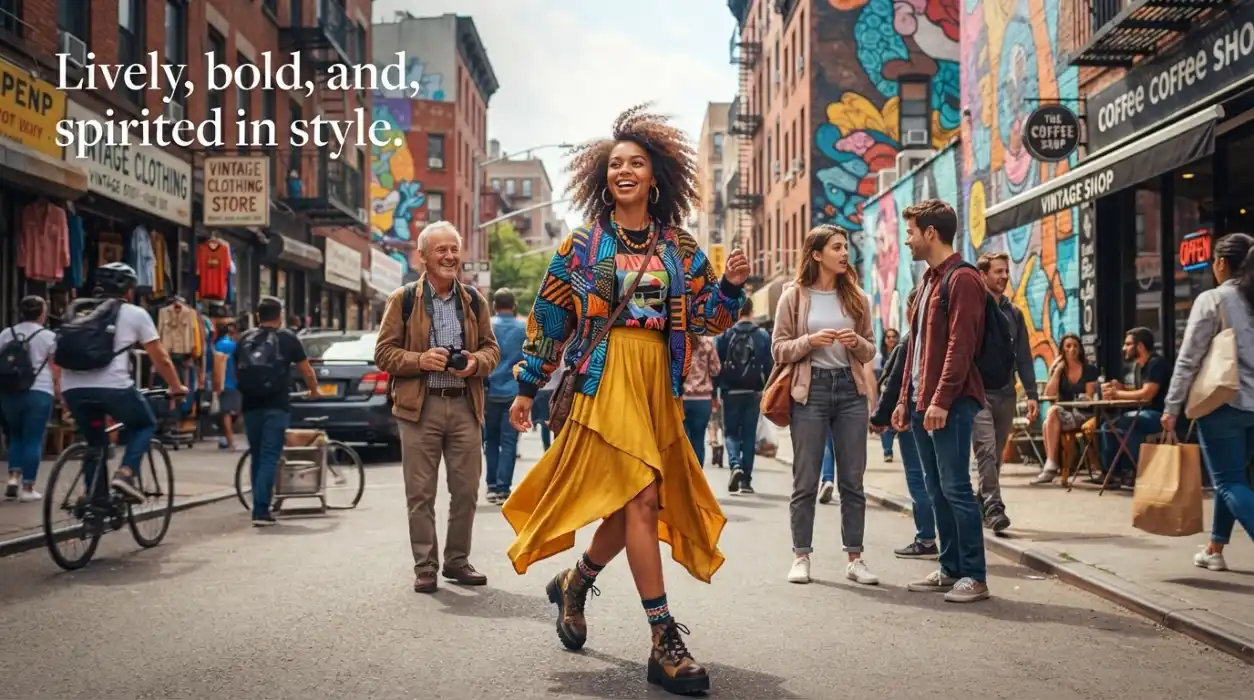
Sassy (ADJ) — US / ˈsæsi / UK / ˈsæsi /
- Meaning: Lively, bold, and spirited in style.
- Tone/Register: Casual, Playful
- Example: She wore a sassy pair of red sunglasses.
- Example: The character delivered a sassy punchline.
Classy (ADJ) — US / ˈklæsi / UK / ˈklɑːsi /
- Meaning: Stylish, sophisticated, and elegant.
- Tone/Register: Casual, Popular
- Example: The invitation had a classy gold border.
- Example: She threw a classy dinner party for friends.
Polished (ADJ) — US / ˈpɑːlɪʃt / UK / ˈpɒlɪʃt /
- Meaning: Refined and free from rough edges.
- Tone/Register: Professional, Clean
- Example: The presentation was thoroughly polished.
- Example: He maintains a polished professional image.
Slick (ADJ) — US / slɪk / UK / slɪk /
- Meaning: Done or presented in a smooth, attractive way.
- Tone/Register: Modern, Informal
- Example: The website features a slick design.
- Example: He delivered a slick marketing pitch.
Snappy (ADJ) — US / ˈsnæpi / UK / ˈsnæpi /
- Meaning: Neat, smart, and stylishly concise.
- Tone/Register: Casual, Energetic
- Example: He wore a snappy bowtie to the wedding.
- Example: The team wrote a snappy headline for the article.
Daring (ADJ) — US / ˈdɛərɪŋ / UK / ˈdɛərɪŋ /
- Meaning: Boldly stylish and adventurous in fashion.
- Tone/Register: Expressive, Modern
- Example: She made a daring choice with her metallic dress.
- Example: The designer showcased daring new patterns.
Unique (ADJ) — US / juˈniːk / UK / juˈniːk /
- Meaning: Being the only one of its kind; distinct.
- Tone/Register: Standard, Expressive
- Example: She wore a unique vintage jacket.
- Example: The gallery featured unique ceramic sculptures.
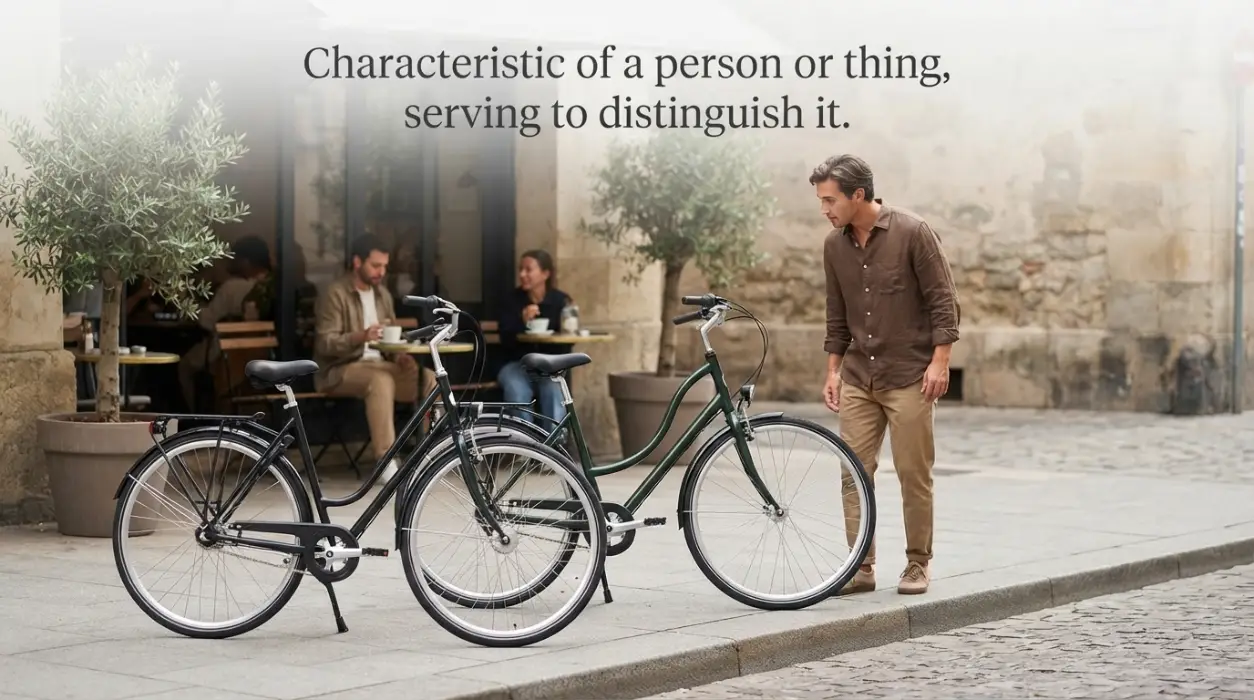
Distinctive (ADJ) — US / dɪˈstɪŋktɪv / UK / dɪˈstɪŋktɪv /
- Meaning: Characteristic of a person or thing, serving to distinguish it.
- Tone/Register: Professional, Observational
- Example: He has a distinctive style of writing.
- Example: The building features distinctive blue shutters.
Synonyms by Tone
Understanding tone helps writers select the right word for every situation. Choosing the correct shade prevents awkward misunderstandings in professional emails or casual chats.
- Positive: Attractive, appealing, charming, lovely, gorgeous, stunning.
- Neutral: Distinctive, pleasing, neat, standard, unique.
- Playful / Informal: Swanky, sassy, snappy, chic, cute.
More Synonyms for Fight Against: Meanings and Examples
The phrase “fight against” has several alternatives that can express opposition, resistance, struggle, or efforts to overcome a problem. The best synonym depends on the situation, the tense, and the tone of your sentence. Here are more useful words and phrases for different contexts.
1. Another Word for Fighting Against
If you are looking for another word for fighting against something, you can use resisting, opposing, combating, challenging, struggling against, or standing up against. These expressions describe efforts to stop something, overcome a difficulty, or express disagreement.
Examples:
- The community is fighting against environmental pollution.
- The community is combating environmental pollution.
- The students are resisting unfair rules.
- The workers are challenging the company’s decision.
- She is struggling against discrimination.
2. Synonyms for Fought Against
“Fought against” is the past-tense form of “fight against.” Depending on the context, you can replace it with opposed, resisted, challenged, battled, confronted, or struggled against.
Examples:
- They fought against the unfair policy.
They opposed the unfair policy. - The soldiers fought against the invading army.
The soldiers battled the invading army. - She fought against discrimination throughout her career.
She challenged discrimination throughout her career. - The organization fought against corruption.
The organization combated corruption.
Choose the alternative that best reflects the original meaning. “Battled” often emphasizes a difficult conflict, while “opposed” emphasizes disagreement or resistance.
3. Synonyms for “To Fight Against Something”
The phrase “to fight against something” can be replaced with to oppose, to resist, to combat, to challenge, to counteract, or to work against.
Examples:
- The government introduced new measures to combat crime.
- People joined the campaign to oppose discrimination.
- The organization works to resist corruption.
- The new treatment helps to counteract harmful effects.
- The activists organized a campaign to challenge the proposed law.
These expressions are useful in essays, academic writing, professional communication, and everyday conversations.
4. Synonyms for “Fights Against”
When the subject is singular and the action occurs in the present tense, “fights against” can be replaced with opposes, resists, combats, challenges, or stands against.
Examples:
- The organization fights against poverty.
The organization combats poverty. - She fights against injustice.
She opposes injustice. - The campaign fights against plastic waste.
The campaign challenges plastic waste. - He fights against discrimination.
He stands against discrimination.
Remember that the verb form should agree with the subject. For example, “she resists” is correct, whereas “she resist” is incorrect.
5. Another Word for Battle Against
The phrase “battle against” describes a serious or sustained struggle. Suitable alternatives include fight, combat, struggle against, contend with, resist, and confront.
Examples:
- The country continues to battle against poverty.
- The country continues to combat poverty.
- The team had to battle against difficult conditions.
- The team had to struggle against difficult conditions.
- The organization continues to confront corruption.
“Battle against” often sounds more dramatic than “oppose.” Use “contend with” when you want to emphasize dealing with a difficult situation rather than directly confronting an opponent.
6. Other Words for Combat Against
The phrase “combat against” is sometimes used, but in standard English, combat a problem is usually more natural than combat against a problem.
Instead of writing “They combat against pollution,” write “They combat pollution.”
Useful alternatives include fight, oppose, resist, counteract, tackle, and address.
Examples:
- The government is working to combat crime.
- The organization aims to tackle poverty.
- New measures may help counteract the harmful effects of pollution.
- The campaign seeks to address discrimination.
- Residents continue to oppose the proposed development.
“Tackle” and “address” are particularly useful in formal and professional writing because they emphasize taking action to solve a problem.
7. Formal Synonyms for Fight Against
In academic essays, research papers, reports, and professional documents, you may want a more precise alternative to “fight against.” The most suitable choices include oppose, combat, counteract, challenge, resist, and address.
| Synonym | Best use | Example |
|---|---|---|
| Oppose | Disagreement with an idea or policy | Residents oppose the proposed policy. |
| Combat | Taking action against a serious problem | The initiative combats online fraud. |
| Counteract | Reducing or neutralizing an effect | The measures counteract the effects of inflation. |
| Challenge | Questioning or disputing something | Researchers challenge the existing assumption. |
| Resist | Refusing to accept pressure or control | Citizens resist authoritarian rule. |
| Address | Taking steps to deal with an issue | The report addresses social inequality. |
| Confront | Facing a problem directly | The government must confront corruption. |
| Tackle | Making a practical effort to solve a problem | The council aims to tackle housing shortages. |
Tip: In formal writing, select a verb that communicates your exact meaning instead of replacing “fight against” with the same synonym in every sentence.
8. Synonyms for Fight Back Against
“Fight back against” suggests actively responding to an attack, threat, unfair treatment, or pressure. Suitable alternatives include resist, stand up to, push back against, defend oneself against, and counter.
Examples:
- The community decided to fight back against discrimination.
- The community decided to stand up to discrimination.
- The workers pushed back against unfair demands.
- The company took steps to counter the cyberattack.
- She learned to defend herself against bullying.
Unlike “fight against,” which can describe general opposition, “fight back against” often suggests a response to an existing threat or attack.
9. Other Words for Fight and Fighting Against
The word “fight” can have different meanings depending on its context. It may describe a physical conflict, a disagreement, or a determined effort to overcome a problem.
Common alternatives include:
- Battle: A serious or intense struggle.
- Struggle: A difficult or prolonged effort.
- Conflict: A disagreement or clash between people, groups, or interests.
- Resist: To refuse to accept or submit to something.
- Oppose: To disagree with or act against something.
- Confront: To face a person, problem, or situation directly.
- Contend with: To deal with a difficult challenge.
- Stand up against: To show courage by opposing something.
- Counteract: To reduce or neutralize an unwanted effect.
- Defy: To openly refuse to obey or accept authority.
Examples:
- The two groups experienced a serious conflict over resources.
- The community continued to struggle against poverty.
- Citizens decided to defy the unjust order.
- The team had to contend with several unexpected challenges.
10. Words for Going Against Something
If you want a word for going against something, the best options include oppose, contradict, challenge, resist, defy, and disagree with.
The right choice depends on what you mean. “Contradict” means to state the opposite of a claim, while “defy” suggests openly refusing to obey an instruction or authority.
Examples:
- Her actions contradict her earlier statements.
- Many residents oppose the new policy.
- The evidence challenges the traditional explanation.
- The workers resisted the unfair demands.
- The protesters defied the restrictions.
- I disagree with the proposal.
These alternatives help you express opposition accurately without repeating “go against” in every paragraph.
11. Synonyms for Fighting Against Injustice and Unfair Policies
When discussing injustice, discrimination, or an unfair policy, choose words that communicate the kind of opposition you intend to describe.
Useful alternatives:
- Oppose injustice
- Challenge an unfair policy
- Resist discrimination
- Combat corruption
- Stand against inequality
- Speak out against abuse
- Campaign against discrimination
- Advocate for equal rights
Examples:
- The activists spoke out against discrimination.
- The organization campaigns to combat corruption.
- Students organized a peaceful protest to oppose the unfair policy.
- The group works to advocate for equal rights.
These phrases are useful in essays, news articles, persuasive writing, and discussions about social issues.
12. Positive Alternatives to Fight Against
Sometimes, you may want to describe opposition constructively or positively. Instead of emphasizing conflict, you can use expressions that focus on courage, improvement, protection, or positive action.
Useful alternatives include stand up for, defend, overcome, work to prevent, advocate for, and work toward.
Examples:
- The organization fights against poverty.
The organization works to overcome poverty. - She fights against discrimination.
She stands up for equal rights. - The community fights against pollution.
The community works to prevent pollution. - The campaign fights against injustice.
The campaign advocates for justice.
Notice that “stand up for” and “advocate for” express support for a positive cause, whereas “fight against” emphasizes opposition to a problem.
13. Negative Words to Describe War
When writing about war, you can use descriptive adjectives that communicate its harmful effects, violence, or human suffering.
Common examples include:
- Devastating: Causing extensive damage or destruction.
- Brutal: Extremely violent or cruel.
- Destructive: Causing serious harm or damage.
- Deadly: Causing or capable of causing death.
- Tragic: Causing great sadness or suffering.
- Ravaging: Causing widespread and severe damage.
- Violent: Involving physical force intended to harm or damage.
- Catastrophic: Causing extremely serious consequences.
- Gruesome: Shockingly unpleasant or horrifying.
- Desolate: Empty, damaged, or abandoned.
Examples:
- The war had devastating consequences for local communities.
- Thousands of families experienced the tragic effects of conflict.
- The prolonged fighting left a desolate landscape.
- The invasion caused widespread destruction.
These are descriptive words rather than direct synonyms for “fight against,” so use them when discussing war’s effects rather than as replacements for the phrase itself.
14. Fight About vs. Fight Against
Fight against means to oppose, resist, or try to stop someone or something.
- The community fights against pollution.
- The activists fight against discrimination.
- The siblings fought about money.
- The colleagues fought about the project deadline.
Use “fight against” when describing resistance to a problem, threat, or opposing force. Use “fight about” when describing the subject of an argument.
Mini Comparison: Fetching vs. Appealing vs. Charming
Comparing closely related terms reveals subtle nuances in everyday usage. Fetching specifically highlights a charming, pleasant, and eye-catching physical appearance or outfit. Appealing focuses more on emotional or logical attraction, such as an interesting job offer or a good idea. Charming describes an enduring personality trait, delightful mannerism, or cozy atmosphere rather than just a visual outfit. Use fetching for outfits, appealing for offers, and charming for people or places.
Context-Based Usage
Daily conversation relies on relaxed terms like cute or lovely to describe nice outfits. Writing and blogging benefit from dynamic words like captivating, stylish, or alluring to engage readers. Professional or academic contexts require restrained, precise adjectives like appropriate, striking, or prepossessing. Creative storytelling thrives on vivid descriptors like spellbinding, dazzling, or beguiling.
Common Mistakes and Native Usage
Learners often overuse words like attractive for everything, ignoring context-specific choices. Another mistake is mixing formal words like prepossessing into casual text messages. Native speakers match their vocabulary to the specific social setting. When talking about clothes, fetching or chic sounds natural, whereas academic papers call for neutral terms.
Real-Life Mini Scenarios
- Workplace: A colleague arrives in a neatly tailored suit, and a coworker remarks on their sharp professional look.
- Social Situations: Friends gather at a chic rooftop cafe to admire a stunning sunset over the city skyline.
- Media: A fashion blogger describes a glamorous runway dress using alluring, captivating adjectives.
Conclusion
Learning synonyms for fight against can make your English clearer, stronger, and more expressive. Words such as oppose, resist, combat, challenge, and confront help describe different forms of struggle or opposition. Each alternative carries a slightly different tone and meaning, so context matters when choosing the right word.
For students, bloggers, and content writers, synonyms for fight against provide useful vocabulary for essays, articles, reports, and creative writing. They reduce repetition while helping readers understand the exact nature of an action or conflict.
Practicing synonyms for fight against can also improve everyday communication. Try using these alternatives in sentences, emails, discussions, and writing exercises. Regular practice will help you express resistance, disagreement, and determination with greater confidence and precision.
Practice Exercise
1. Which synonym best describes an outfit that charmingly catches your eye?
- A) Fetching
- B) Boring
- C) Heavy
- D) Rigid
2. What is the primary tone of the word “swanky”?
- A) Formal
- B) Playful / Informal
- C) Academic
- D) Depressing
3. Which alternative is best suited for describing a good job offer?
- A) Fetching
- B) Appealing
- C) Cute
- D) Dapper
4. How does “charming” differ primarily from “fetching”?
- A) It describes personality or atmosphere rather than just looks.
- B) It only describes weather.
- C) It is always negative.
- D) It means slow.
5. Which word fits best in a formal academic paper?
- A) Swanky
- B) Sassy
- C) Prepossessing
- D) Cute
6. What part of speech do most of these descriptive synonyms share?
- A) Verb
- B) Adjective
- C) Preposition
- D) Conjunction
7. Which term highlights a man’s neat and stylish dress?
- A) Dapper
- B) Radiant
- C) Beguiling
- D) Hypnotic
8. What does connotation refer to in linguistics?
- A) Dictionary spelling rules
- B) Emotional and cultural associations
- C) Syllable count
- D) Root languages
9. Which word describes something extremely bright and impressive?
- A) Dazzling
- B) Dull
- C) Plain
- D) Faint
10. Why is expanding your vocabulary beneficial for content writers?
- A) It increases word repetition.
- B) It prevents engaging readers.
- C) It improves precision and reader engagement.
- D) It shortens articles to zero words.
Reflection Task: Write one original sentence using the word “alluring” to describe a delicious aroma or a mysterious place.
Answer Key: 1-A, 2-B, 3-B, 4-A, 5-C, 6-B, 7-A, 8-B, 9-A, 10-C
FAQs
1. What is another word for “fight against”?
Common alternatives include oppose, resist, combat, challenge, confront, counter, and battle. The best choice depends on context. For example, “resist” often suggests refusing pressure, while “combat” commonly describes efforts to stop a serious problem such as crime, disease, or pollution.
2. What is a formal synonym for “fight against”?
Oppose, counteract, combat, and resist can work well in formal writing. In academic or professional contexts, “oppose” is useful for disagreement, while “counteract” focuses on reducing or neutralizing an unwanted effect.
3. What is a synonym for “fight against” in an essay?
For essays, useful choices include oppose, resist, combat, challenge, counter, and confront. Choose the word according to your meaning. For example, “challenge an unfair policy” sounds more precise than repeatedly using “fight against an unfair policy.”
4. What is another way to say “fight against injustice”?
You can say oppose injustice, resist injustice, combat injustice, challenge injustice, or stand against injustice. “Combat” sounds strong and purposeful, while “stand against” has a more emotional and motivational tone.
5. Can “struggle against” replace “fight against”?
Yes, struggle against can replace “fight against” when you want to emphasize difficulty, hardship, or an ongoing effort. For example, “They struggled against poverty” focuses more on the difficult experience than the direct opposition suggested by “fight against.”

Hasnain Ali is an SEO Content Strategist and the founder of wordvora.com, a trusted vocabulary platform that helps writers, students, professionals, and English learners find accurate synonyms, antonyms, word meanings, and real-life usage examples. He specializes in keyword research, on-page SEO, topical authority, and creating search-first content that aligns with Google’s latest Search Quality and E-E-A-T guidelines. His work focuses on producing clear, well-structured, and reader-friendly resources that satisfy search intent while maintaining high editorial standards.
Through extensive hands-on experience with SEO tools such as Google Search Console, Google Analytics, SEMrush, and Ahrefs, Hasnain researches user search behavior and develops content that is both informative and easy to understand. Every article published on wordvora.com is carefully reviewed for accuracy, readability, and contextual relevance before publication. His mission is to build one of the web’s most reliable English vocabulary resources by providing practical language guidance, trustworthy explanations, and content that helps readers improve their writing, communication, and vocabulary with confidence.