
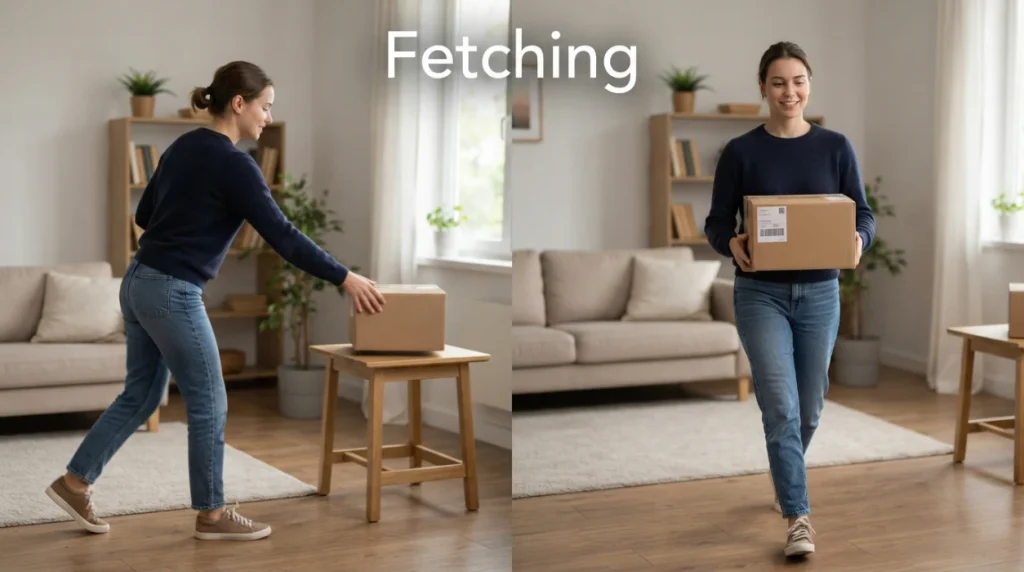
Synonyms for fetching can make your English more varied, natural, and expressive. The word “fetching” often describes someone attractive, but it can also mean bringing something from one place to another.
Imagine a friend wearing a stylish outfit. You might say, “You look fetching today!” However, words such as attractive, charming, appealing, or lovely can express a similar idea with a slightly different tone.
For students, bloggers, and content writers, synonyms for fetching are useful for avoiding repetition and making descriptions more engaging. They can also help daily English users choose words that fit different situations.
Learning synonyms for fetching improves vocabulary by showing how similar words can carry different meanings, tones, and levels of formality. With regular practice, you can use these alternatives confidently in conversations, essays, emails, and creative writing.
What Does “Fetching” Really Mean?
Fetching has two important meanings in modern English.
First, as an adjective, fetching means attractive, charming, or pleasing in appearance. Native speakers often use it for people, clothes, colors, styles, or appearances.
For example:
She looked fetching in her new jacket.
Here, “fetching” means that she looked particularly attractive.
Second, fetching can function as the present participle of the verb fetch. In this sense, it means going to get something and bringing it back.
For example:
Tom is fetching the documents from the office.
The meaning therefore depends strongly on context.
Part of Speech
Fetching (adjective): attractive or charming in appearance.
Fetching (verb): going to get, collect, or bring something.
Connotative Meaning
Connotation means the feeling or association a word creates beyond its basic dictionary meaning.
Positive tone: When “fetching” means attractive, it usually has a warm, complimentary tone.
Negative tone: The adjective itself rarely has a negative tone, although some alternatives can sound overly flattering or old-fashioned.
Neutral tone: As a verb, “fetching” is usually neutral and simply describes the action of getting something.
Etymology of “Fetching”
The adjective fetching comes from the verb fetch, which has Old English roots. The verb developed through historical forms connected with getting, bringing, or obtaining something.
Old English: 450–1100
Old English used forms related to fetching or obtaining, including forms connected with fetian and fecgan. The basic idea involved going to get something and bringing it back.
Middle English: 1100–1500
During Middle English, forms such as fecchen and fecchen developed. The word gradually became closer to the modern spelling and continued to express the idea of getting or bringing.
Modern English: 1500–Present
Modern English retained the verb fetch while developing additional meanings. The adjective fetching later became associated with someone or something that successfully attracts attention because of its appealing appearance.
Pronunciation, Syllables & Word Structure
Fetching
US: /ˈfetʃɪŋ/
UK: /ˈfetʃɪŋ/
Syllables: fetch-ing
Root: fetch
Prefix: none
Suffix: -ing
The suffix -ing creates the present participle form of the verb. In “fetching,” the same form can function as a verb or adjective depending on the sentence.
Synonyms List
Attractive (Adjective) — US /əˈtræktɪv/ | UK /əˈtræktɪv/
Meaning: Pleasant or appealing in appearance.
Tone/Register: Neutral, everyday.
Example: She has an attractive smile.
The attractive design made the room feel brighter.
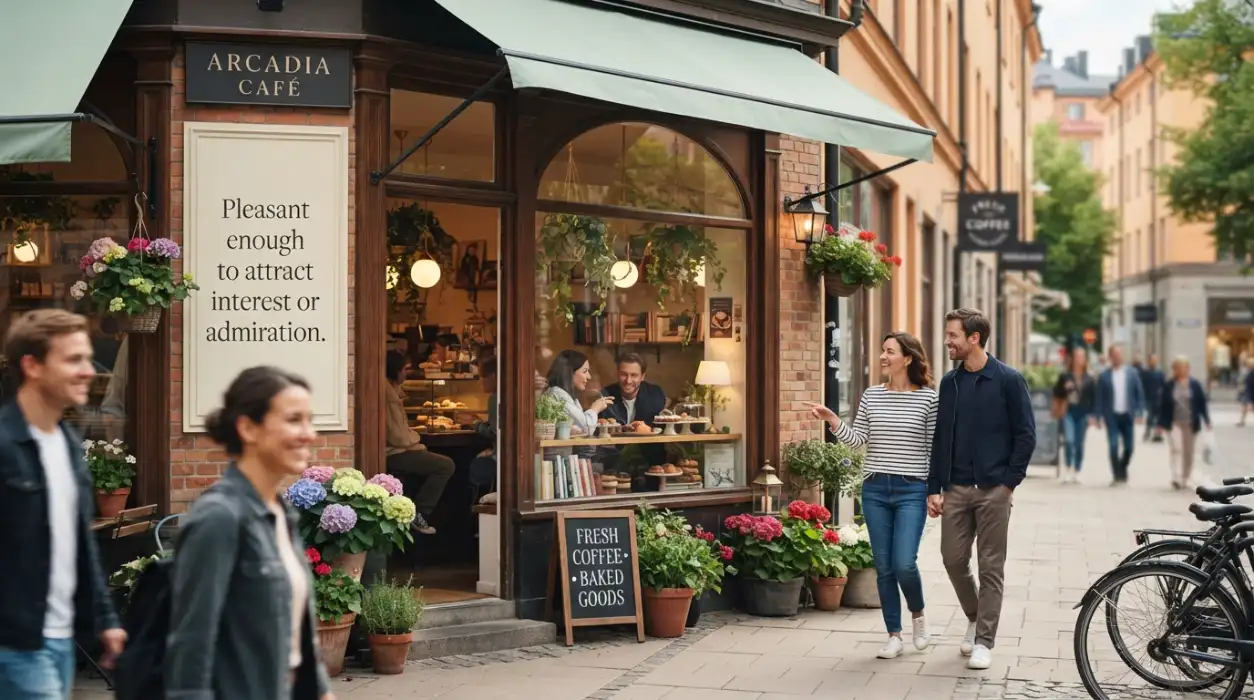
Appealing (Adjective) — US /əˈpiːlɪŋ/ | UK /əˈpiːlɪŋ/
Meaning: Pleasant enough to attract interest or admiration.
Tone/Register: Neutral, professional.
Example: The new dress has an appealing style.
His calm personality was equally appealing.
Charming (Adjective) — US /ˈtʃɑːrmɪŋ/ | UK /ˈtʃɑːmɪŋ/
Meaning: Pleasant and attractive in a warm, engaging way.
Tone/Register: Friendly, conversational.
Example: She gave us a charming smile.
The little café has a charming interior.
Alluring (Adjective) — US /əˈlʊrɪŋ/ | UK /əˈlʊərɪŋ/
Meaning: Very attractive in a way that draws attention.
Tone/Register: Literary, expressive.
Example: The painting used an alluring combination of colors.
Her voice had an alluring quality.
Lovely (Adjective) — US /ˈlʌvli/ | UK /ˈlʌvli/
Meaning: Beautiful or pleasing in a gentle way.
Tone/Register: Friendly, everyday.
Example: She looked lovely at the wedding.
That scarf is absolutely lovely.
Beautiful (Adjective) — US /ˈbjuːtəfəl/ | UK /ˈbjuːtɪfəl/
Meaning: Extremely pleasing to the senses or emotions.
Tone/Register: Neutral, widely used.
Example: She wore a beautiful dress.
The garden looked beautiful in spring.
Pretty (Adjective) — US /ˈprɪti/ | UK /ˈprɪti/
Meaning: Attractive, delicate, or pleasing.
Tone/Register: Informal, everyday.
Example: She bought a pretty handbag.
The room has pretty floral curtains.
Gorgeous (Adjective) — US /ˈɡɔːrdʒəs/ | UK /ˈɡɔːdʒəs/
Meaning: Extremely attractive or impressive.
Tone/Register: Informal, enthusiastic.
Example: Your new hairstyle looks gorgeous.
The sunset was gorgeous tonight.
Stunning (Adjective) — US /ˈstʌnɪŋ/ | UK /ˈstʌnɪŋ/
Meaning: So attractive that it strongly captures attention.
Tone/Register: Informal, emphatic.
Example: She looked stunning in that gown.
The photographer captured a stunning view.
Striking (Adjective) — US /ˈstraɪkɪŋ/ | UK /ˈstraɪkɪŋ/
Meaning: Noticeably attractive or impressive.
Tone/Register: Neutral, descriptive.
Example: He has a striking appearance.
The building has a striking modern design.
Glamorous (Adjective) — US /ˈɡlæmərəs/ | UK /ˈɡlæmərəs/
Meaning: Attractive in a stylish, exciting, or luxurious way.
Tone/Register: Fashion, media.
Example: She wore a glamorous evening dress.
The event had a glamorous atmosphere.
Stylish (Adjective) — US /ˈstaɪlɪʃ/ | UK /ˈstaɪlɪʃ/
Meaning: Attractive because of fashionable design or appearance.
Tone/Register: Casual, fashion-related.
Example: He bought a stylish jacket.
Her apartment looks simple but stylish.
Elegant (Adjective) — US /ˈelɪɡənt/ | UK /ˈelɪɡənt/
Meaning: Attractive because of graceful simplicity and good taste.
Tone/Register: Formal, polished.
Example: She wore an elegant black dress.
The hotel has an elegant dining room.
Captivating (Adjective) — US /ˈkæptɪveɪtɪŋ/ | UK /ˈkæptɪveɪtɪŋ/
Meaning: Extremely interesting or attractive.
Tone/Register: Literary, expressive.
Example: Her smile was captivating.
The speaker gave a captivating performance.
Enchanting (Adjective) — US /ɪnˈtʃæntɪŋ/ | UK /ɪnˈtʃɑːntɪŋ/
Meaning: Delightfully attractive or magical.
Tone/Register: Literary, warm.
Example: The village looked enchanting at night.
She has an enchanting voice.
Engaging (Adjective) — US /ɪnˈɡeɪdʒɪŋ/ | UK /ɪnˈɡeɪdʒɪŋ/
Meaning: Pleasant and interesting enough to hold attention.
Tone/Register: Professional, academic.
Example: The presenter had an engaging style.
Her writing is clear and engaging.
Delightful (Adjective) — US /dɪˈlaɪtfəl/ | UK /dɪˈlaɪtfəl/
Meaning: Very pleasant and enjoyable.
Tone/Register: Warm, polite.
Example: She has a delightful personality.
We spent a delightful afternoon together.
Winsome (Adjective) — US /ˈwɪnsəm/ | UK /ˈwɪnsəm/
Meaning: Pleasantly attractive and charming.
Tone/Register: Literary, somewhat old-fashioned.
Example: Her winsome smile attracted everyone.
The character has a winsome personality.
Winning (Adjective) — US /ˈwɪnɪŋ/ | UK /ˈwɪnɪŋ/
Meaning: Attractive or appealing in a way that earns affection.
Tone/Register: Informal, conversational.
Example: He has a winning smile.
Her friendly attitude was very winning.
Bewitching (Adjective) — US /bɪˈwɪtʃɪŋ/ | UK /bɪˈwɪtʃɪŋ/
Meaning: Extremely attractive or fascinating.
Tone/Register: Literary, expressive.
Example: She had a bewitching smile.
The singer gave a bewitching performance.
Ravishing (Adjective) — US /ˈrævɪʃɪŋ/ | UK /ˈrævɪʃɪŋ/
Meaning: Exceptionally beautiful or attractive.
Tone/Register: Formal, literary.
Example: She looked ravishing in red.
The actress appeared ravishing on the red carpet.
Handsome (Adjective) — US /ˈhænsəm/ | UK /ˈhænsəm/
Meaning: Attractive, especially when describing a man or masculine appearance.
Tone/Register: Neutral, everyday.
Example: He is a handsome young actor.
The room has a handsome wooden table.

Good-looking (Adjective) — US /ˌɡʊdˈlʊkɪŋ/ | UK /ˌɡʊdˈlʊkɪŋ/
Meaning: Pleasant or attractive.
Tone/Register: Informal, everyday.
Example: Her brother is very good-looking.
They hired a good-looking model for the campaign.
Comely (Adjective) — US /ˈkʌmli/ | UK /ˈkʌmli/
Meaning: Attractive, graceful, or pleasant.
Tone/Register: Literary, old-fashioned.
Example: The novel describes a comely young woman.
The portrait shows a comely figure.
Appeasing (Adjective) — US /əˈpiːzɪŋ/ | UK /əˈpiːzɪŋ/
Meaning: Pleasing or calming rather than strongly attractive.
Tone/Register: Formal.
Example: The soft colors created an appeasing atmosphere.
Her gentle tone felt appeasing.
Eye-catching (Adjective) — US /ˈaɪˌkætʃɪŋ/ | UK /ˈaɪˌkætʃɪŋ/
Meaning: Noticeably attractive or attention-grabbing.
Tone/Register: Informal, marketing.
Example: The poster has an eye-catching design.
She wore an eye-catching necklace.
Attractive-looking (Adjective) — US /əˈtræktɪv ˌlʊkɪŋ/ | UK /əˈtræktɪv ˌlʊkɪŋ/
Meaning: Pleasant or appealing in appearance.
Tone/Register: Neutral.
Example: The house is attractive-looking from the street.
He chose an attractive-looking logo.
Polished (Adjective) — US /ˈpɑːlɪʃt/ | UK /ˈpɒlɪʃt/
Meaning: Stylish, refined, and carefully presented.
Tone/Register: Professional, business.
Example: Her outfit looked polished.
The website has a polished appearance.
Refined (Adjective) — US /rɪˈfaɪnd/ | UK /rɪˈfaɪnd/
Meaning: Elegant and developed with good taste.
Tone/Register: Formal, sophisticated.
Example: She has a refined sense of style.
The restaurant has a refined atmosphere.
Sophisticated (Adjective) — US /səˈfɪstəkeɪtɪd/ | UK /səˈfɪstɪkeɪtɪd/
Meaning: Stylish, elegant, and socially polished.
Tone/Register: Formal, professional.
Example: She chose a sophisticated outfit.
The hotel has a sophisticated design.
Dashing (Adjective) — US /ˈdæʃɪŋ/ | UK /ˈdæʃɪŋ/
Meaning: Attractive and confident in appearance.
Tone/Register: Informal, slightly old-fashioned.
Example: He looked dashing in his suit.
The actor played a dashing hero.
Debonair (Adjective) — US /ˌdebəˈner/ | UK /ˌdebəˈneə/
Meaning: Confident, charming, and stylish.
Tone/Register: Literary, formal.
Example: The debonair actor greeted the guests.
His debonair style attracted attention.
Prepossessing (Adjective) — US /ˌpriːpəˈzesɪŋ/ | UK /ˌpriːpəˈzesɪŋ/
Meaning: Attractive or appealing at first sight.
Tone/Register: Formal, literary.
Example: She has a prepossessing appearance.
His prepossessing manner made a good impression.
Winsome-looking (Adjective) — US /ˈwɪnsəm ˌlʊkɪŋ/ | UK /ˈwɪnsəm ˌlʊkɪŋ/
Meaning: Pleasantly charming in appearance.
Tone/Register: Literary, uncommon.
Example: The character has a winsome-looking face.
Her winsome-looking smile suited the role.
Fetching-looking (Adjective) — US /ˈfetʃɪŋ ˌlʊkɪŋ/ | UK /ˈfetʃɪŋ ˌlʊkɪŋ/
Meaning: Particularly attractive or appealing in appearance.
Tone/Register: Informal, descriptive.
Example: She wore a fetching-looking hat.
The puppy had a fetching-looking face.
Alluring-looking (Adjective) — US /əˈlʊrɪŋ ˌlʊkɪŋ/ | UK /əˈlʊərɪŋ ˌlʊkɪŋ/
Meaning: Visually attractive in a way that draws interest.
Tone/Register: Literary, expressive.
Example: The model wore an alluring-looking dress.
The cover has an alluring-looking design.
Attractive (Verb-related sense) — US /əˈtræktɪv/ | UK /əˈtræktɪv/
Meaning: In broad use, something attractive draws interest, although it does not directly replace the verb “fetching.”
Tone/Register: Neutral.
Example: The design attracted many visitors.
Her presentation attracted positive attention.
Retrieving (Verb) — US /rɪˈtriːvɪŋ/ | UK /rɪˈtriːvɪŋ/
Meaning: Going to get something and bringing it back.
Tone/Register: Neutral, professional.
Example: She is retrieving the files now.
The dog is retrieving the ball.
Collecting (Verb) — US /kəˈlektɪŋ/ | UK /kəˈlektɪŋ/
Meaning: Going to obtain or pick up something.
Tone/Register: Neutral, everyday.
Example: He is collecting the package.
Maria is collecting the documents from reception.
Getting (Verb) — US /ˈɡetɪŋ/ | UK /ˈɡetɪŋ/
Meaning: Obtaining or going to obtain something.
Tone/Register: Informal, everyday.
Example: I am getting some water.
She is getting the keys from the car.
Bringing (Verb) — US /ˈbrɪŋɪŋ/ | UK /ˈbrɪŋɪŋ/
Meaning: Carrying or taking something to a person or place.
Tone/Register: Neutral, everyday.
Example: He is bringing the books upstairs.
Please bring me a glass of water.
Obtaining (Verb) — US /əbˈteɪnɪŋ/ | UK /əbˈteɪnɪŋ/
Meaning: Getting something through effort or a process.
Tone/Register: Formal, academic.
Example: The researcher is obtaining permission.
We are obtaining the required documents.
Procuring (Verb) — US /prəˈkjʊrɪŋ/ | UK /prəˈkjʊərɪŋ/
Meaning: Obtaining something, often through deliberate effort.
Tone/Register: Formal, business.
Example: The manager is procuring new equipment.
They spent the morning procuring supplies.
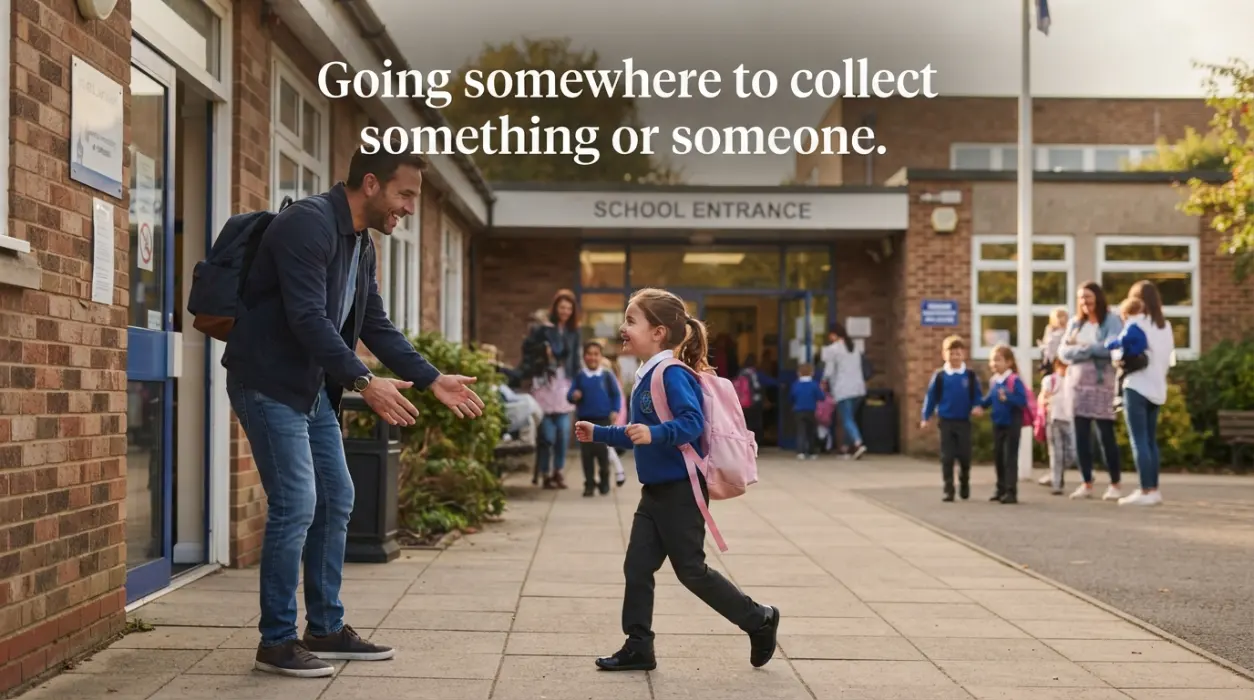
Picking up (Phrasal Verb) — US /ˌpɪkɪŋ ˈʌp/ | UK /ˌpɪkɪŋ ˈʌp/
Meaning: Going somewhere to collect something or someone.
Tone/Register: Informal, everyday.
Example: I am picking up the parcel after work.
She is picking up her brother from school.
Gathering (Verb) — US /ˈɡæðərɪŋ/ | UK /ˈɡæðərɪŋ/
Meaning: Collecting things from different places or sources.
Tone/Register: Neutral, academic.
Example: The team is gathering information.
He spent the afternoon gathering materials.
Recovering (Verb) — US /rɪˈkʌvərɪŋ/ | UK /rɪˈkʌvərɪŋ/
Meaning: Getting something back after it was lost or unavailable.
Tone/Register: Neutral, formal.
Example: She is recovering the missing files.
The technician is recovering old data.
Securing (Verb) — US /sɪˈkjʊrɪŋ/ | UK /sɪˈkjʊərɪŋ/
Meaning: Successfully obtaining or acquiring something needed.
Tone/Register: Professional, business.
Example: The company is securing new permits.
We are securing the documents before the meeting.
Sourcing (Verb) — US /ˈsɔːrsɪŋ/ | UK /ˈsɔːsɪŋ/
Meaning: Finding and obtaining something from a particular place.
Tone/Register: Business, professional.
Example: The chef is sourcing fresh ingredients.
The designer is sourcing local materials.
Carrying back (Verb Phrase) — US /ˈkæriɪŋ bæk/ | UK /ˈkæriɪŋ bæk/
Meaning: Taking something back to its original or intended destination.
Tone/Register: Neutral.
Example: He is carrying back the empty boxes.
She carried back the books after class.
Returning with (Verb Phrase) — US /rɪˈtɜːrnɪŋ wɪð/ | UK /rɪˈtɜːnɪŋ wɪð/
Meaning: Coming back while bringing something.
Tone/Register: Neutral, descriptive.
Example: She returned with the requested documents.
He returned with fresh supplies.
Delivering (Verb) — US /dɪˈlɪvərɪŋ/ | UK /dɪˈlɪvərɪŋ/
Meaning: Taking something to its intended recipient or destination.
Tone/Register: Professional, everyday.
Example: The driver is delivering the package.
She is delivering the documents this afternoon.
Bringing back (Phrasal Verb) — US /ˌbrɪŋɪŋ ˈbæk/ | UK /ˌbrɪŋɪŋ ˈbæk/
Meaning: Returning with something that was obtained elsewhere.
Tone/Register: Informal, everyday.
Example: I am bringing back your charger tomorrow.
She brought back some souvenirs from her trip.
Picking up and bringing (Verb Phrase) — US /ˌpɪkɪŋ ˈʌp ænd ˈbrɪŋɪŋ/ | UK /ˌpɪkɪŋ ˈʌp ænd ˈbrɪŋɪŋ/
Meaning: Collecting something and taking it to another place.
Tone/Register: Informal, descriptive.
Example: He is picking up and bringing the supplies.
I will pick up and bring your notebook.
Going to get (Verb Phrase) — US /ˌɡoʊɪŋ tə ˈɡet/ | UK /ˌɡəʊɪŋ tə ˈɡet/
Meaning: Traveling somewhere to obtain something.
Tone/Register: Informal, conversational.
Example: I am going to get some coffee.
She is going to get the keys.
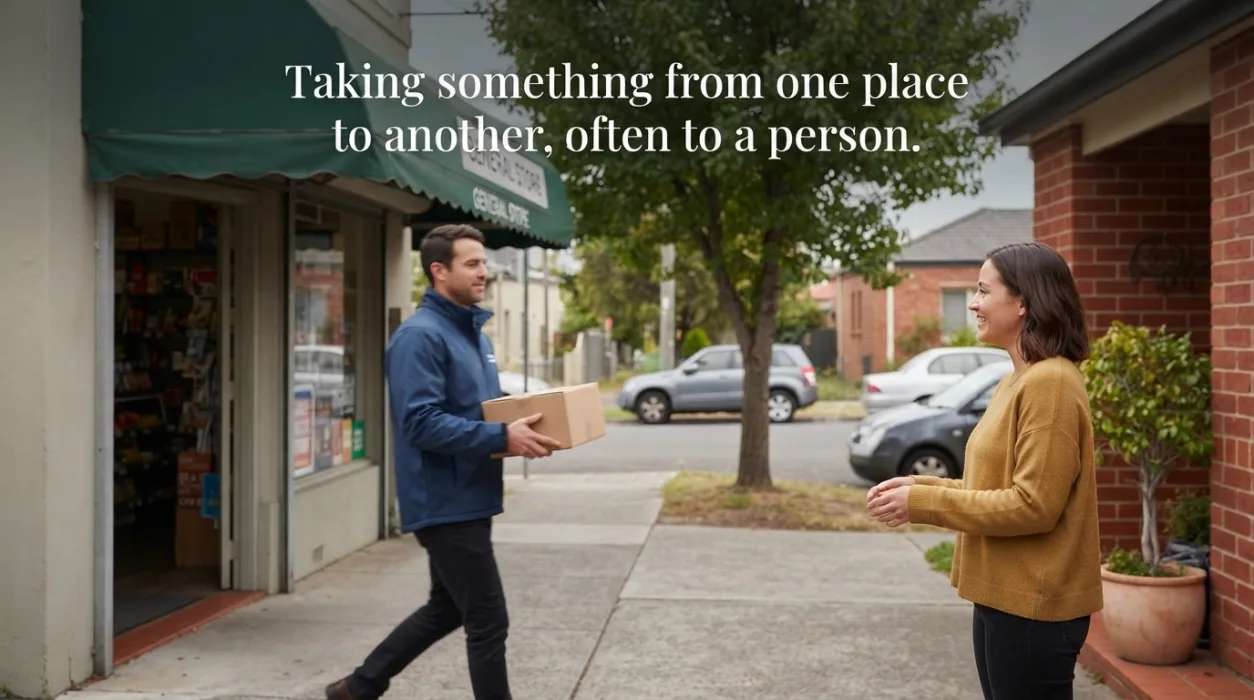
Bringing over (Phrasal Verb) — US /ˌbrɪŋɪŋ ˈoʊvər/ | UK /ˌbrɪŋɪŋ ˈəʊvə/
Meaning: Taking something from one place to another, often to a person.
Tone/Register: Informal.
Example: Can you bring over the documents?
He is bringing over some snacks.
Synonyms by Tone
Choosing the right alternative depends on what you want to communicate.
Positive and complimentary: attractive, charming, lovely, beautiful, gorgeous, stunning, alluring, enchanting, captivating, delightful, ravishing, winning, winsome, dashing.
Neutral and descriptive: appealing, pretty, handsome, good-looking, stylish, striking, elegant, engaging, polished, refined.
Formal or literary: sophisticated, debonair, prepossessing, comely, bewitching.
Informal: gorgeous, pretty, good-looking, picking up, getting, going to get.
Action-focused: retrieving, collecting, getting, bringing, obtaining, procuring, picking up, gathering, recovering, securing, sourcing, delivering.
Therefore, tone matters. “Gorgeous” sounds enthusiastic, while “elegant” sounds more polished. Similarly, “picking up” feels conversational, whereas “obtaining” works better in formal writing.
Fetching vs Charming
Charming can describe personality as well as appearance. Fetching focuses more strongly on attractive appearance.
For example, “She is charming” may describe her behavior. “She looks fetching” focuses on how she looks.
Fetching vs Gorgeous
Gorgeous is much stronger and more enthusiastic. Fetching usually sounds softer and more tasteful.
Use “gorgeous” for strong admiration. Choose “fetching” for a gentler compliment.
How “Fetching” Changes by Context
Daily Conversation
In everyday speech, fetching as an adjective is understandable but somewhat less common than “attractive,” “pretty,” or “good-looking.”
For example, someone might say, “That’s a fetching outfit,” when they want to compliment someone’s appearance.
As a verb, however, “fetching” remains completely natural.
Writing and Blogging
Writers can use fetching to add variety to descriptions. It works especially well in fashion, lifestyle, fiction, and descriptive content.
Instead of repeating “attractive,” a writer can choose “charming,” “stylish,” “striking,” or “elegant,” depending on the intended effect.
Professional or Academic Writing
Formal writing usually favors precise terms such as appealing, attractive, elegant, refined, or visually striking.
The verb sense can also appear in professional contexts. For instance, “retrieving,” “obtaining,” or “collecting” may sound more precise than “fetching.”
Creative and Informal Writing
Creative writing offers more freedom. Words such as enchanting, alluring, bewitching, winsome, and ravishing can create stronger imagery.
Meanwhile, casual writing can use pretty, gorgeous, stylish, or good-looking for a relaxed tone.
Common Mistakes Learners Make
One common mistake involves treating fetching as a perfect synonym for attractive in every situation. The adjective works for appearance, but the verb means going to get something.
Another issue is tone. Ravishing and bewitching sound more dramatic than everyday alternatives such as “pretty” or “appealing.”
Learners should also avoid using formal words in casual conversations when a simpler choice sounds more natural. “Obtaining” may be correct, but “getting” often sounds better in ordinary speech.
Finally, remember that context controls meaning. Compare these sentences:
She looks fetching in that dress.
She is fetching the dress from upstairs.
The first sentence describes appearance. The second describes an action.
Native Usage Tips
Native speakers commonly choose fetching as an adjective when they want a slightly stylish, complimentary, or expressive description.
However, “attractive,” “pretty,” “good-looking,” and “beautiful” occur more frequently in everyday speech.
For the verb, fetching remains natural when someone goes somewhere to get something and returns with it.
Also, “fetch” is especially common when discussing dogs retrieving objects, although people can fetch things too.
Real-Life Mini Scenarios
Workplace
A manager might describe a presentation as appealing or engaging.
Meanwhile, an employee might say, “I’m fetching the files from the archive.”
Social Situations
A friend might say, “You look gorgeous tonight.”
A softer compliment could be, “That’s a very fetching outfit.”
Media and Pop Culture
Entertainment writers often choose glamorous, stunning, striking, or captivating when describing celebrities, costumes, or performances.
Creative reviews may use stronger literary alternatives when the subject has an unusual visual appeal.
Writing and Storytelling
A novelist might describe a character as charming, alluring, winsome, or bewitching.
The choice depends on whether the writer wants warmth, mystery, elegance, or dramatic attraction.
Practice Exercise
1. Which word best describes someone who looks very beautiful?
A. Gathering
B. Gorgeous
C. Obtaining
D. Retrieving
2. Which word best suits formal writing about graceful appearance?
A. Elegant
B. Pretty
C. Getting
D. Picking up
3. Which synonym suggests a warm and pleasant personality?
A. Charming
B. Sourcing
C. Securing
D. Recovering
4. Which word means going to get something?
A. Stunning
B. Fetching
C. Glamorous
D. Refined
5. Which alternative sounds strongly enthusiastic?
A. Gorgeous
B. Neutral
C. Obtaining
D. Gathering
6. Which word means attractive because of fashionable design?
A. Stylish
B. Recovering
C. Delivering
D. Collecting
7. Which word has a literary and magical feeling?
A. Enchanting
B. Getting
C. Bringing
D. Sourcing
8. Which verb best fits formal business writing?
A. Getting
B. Obtaining
C. Picking up
D. Going to get
9. Which phrase means collecting something from a location?
A. Picking up
B. Ravishing
C. Bewitching
D. Elegant
10. Which word describes something that strongly catches attention?
A. Eye-catching
B. Gathering
C. Procuring
D. Returning
11. Which word best describes a confident and stylish man?
A. Dashing
B. Collecting
C. Recovering
D. Obtaining
12. Which synonym describes an attractive and socially polished style?
A. Debonair
B. Getting
C. Bringing
D. Sourcing
13. Which word best describes an attractive design in professional writing?
A. Appealing
B. Fetching
C. Bringing back
D. Recovering
14. Which word means finding and obtaining materials?
A. Sourcing
B. Beautiful
C. Charming
D. Stunning
15. Which phrase means returning with something?
A. Bringing back
B. Eye-catching
C. Glamorous
D. Elegant
Answer Key: 1-B, 2-A, 3-A, 4-B, 5-A, 6-A, 7-A, 8-B, 9-A, 10-A, 11-A, 12-A, 13-A, 14-A, 15-A
Reflection Task
Write two sentences using different synonyms for fetching. Then explain how the tone or meaning changes between your chosen words.
Conclusion
Learning synonyms for fetching can make your English more precise, natural, and engaging. The word “fetching” may describe someone attractive, or it can mean bringing or collecting something, so context matters. Choosing the right alternative helps you express the intended meaning clearly.
For students, bloggers, and content writers, synonyms for fetching offer useful ways to avoid repetition and improve word choice. Words such as attractive, charming, appealing, retrieving, collecting, and bringing can add variety when used correctly. Each alternative carries its own tone and meaning, so selecting one carefully can make your writing stronger.
Finally, practicing synonyms for fetching in sentences can build confidence in everyday English. Try using these alternatives in conversations, essays, emails, and creative writing to develop a richer vocabulary.
Frequently Asked Questions
1. What is the best synonym for fetching when describing a person?
The best synonym depends on the intended tone. Attractive is the safest general choice, while charming adds warmth and alluring suggests stronger appeal. For a very enthusiastic compliment, gorgeous works well. In formal writing, elegant or refined may sound more polished.
2. Is fetching a positive word for appearance?
Yes. When fetching describes appearance, it normally carries a positive meaning. It suggests that someone or something looks attractive, appealing, or charming. The word can sound slightly more expressive than “attractive.” However, it is less common in everyday conversation than simple alternatives such as “pretty,” “beautiful,” or “good-looking.”
3. What is a formal synonym for fetching?
Several formal alternatives can replace fetching when describing appearance. Elegant, refined, sophisticated, prepossessing, and striking can work depending on the context. Among these, “elegant” is especially useful for polished writing. For professional descriptions, select the synonym that explains the specific quality you want to highlight rather than choosing a word only because it sounds formal.
4. What does fetching mean when it is used as a verb?
As a verb, fetching means going somewhere to get something and bringing it back. For example, “She is fetching the documents” means she is going to get the documents. Depending on context, you can replace it with retrieving, collecting, getting, picking up, obtaining, or bringing back.
5. Is fetching the same as attractive?
When fetching works as an adjective, it is close to attractive, but the two words are not identical in tone. “Attractive” is broad and neutral. “Fetching” often feels more expressive and complimentary. Therefore, “attractive” is safer for general descriptions, while “fetching” can add a touch of charm or style.

Hasnain Ali is an SEO Content Strategist and the founder of wordvora.com, a trusted vocabulary platform that helps writers, students, professionals, and English learners find accurate synonyms, antonyms, word meanings, and real-life usage examples. He specializes in keyword research, on-page SEO, topical authority, and creating search-first content that aligns with Google’s latest Search Quality and E-E-A-T guidelines. His work focuses on producing clear, well-structured, and reader-friendly resources that satisfy search intent while maintaining high editorial standards.
Through extensive hands-on experience with SEO tools such as Google Search Console, Google Analytics, SEMrush, and Ahrefs, Hasnain researches user search behavior and develops content that is both informative and easy to understand. Every article published on wordvora.com is carefully reviewed for accuracy, readability, and contextual relevance before publication. His mission is to build one of the web’s most reliable English vocabulary resources by providing practical language guidance, trustworthy explanations, and content that helps readers improve their writing, communication, and vocabulary with confidence.