
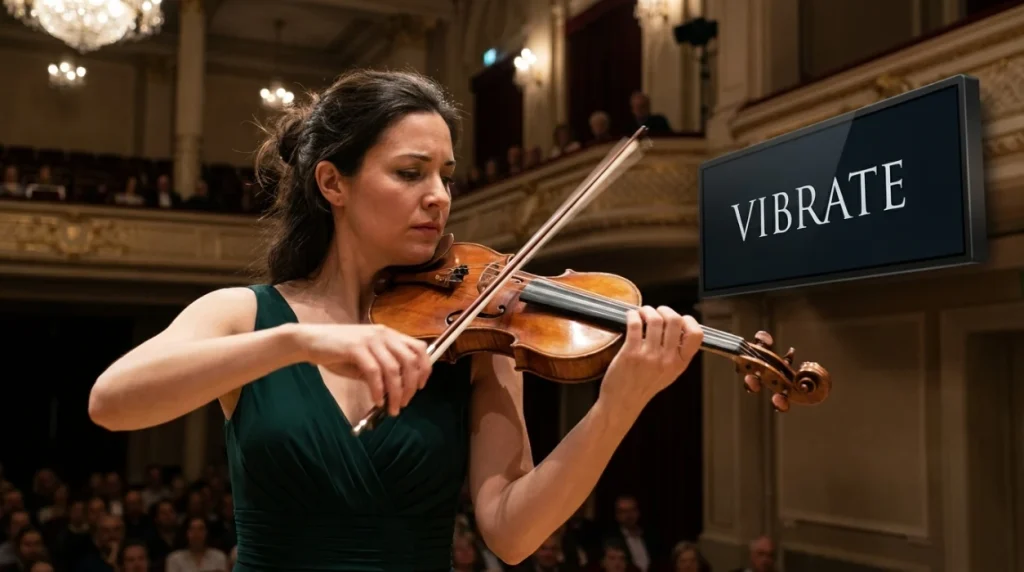
Finding the right words can make your writing more expressive, accurate, and engaging. If you want to describe shaking, trembling, or moving rapidly from side to side, exploring synonyms for vibrate can help you communicate your meaning more effectively.
The word “vibrate” can describe physical movement, sounds, or even emotional energy. Depending on the context, words such as tremble, shake, quiver, oscillate, and shudder may express similar ideas while adding slightly different meanings and tones.
Whether you are a student, writer, blogger, or English learner, learning synonyms for vibrate can expand your vocabulary and help you avoid repetitive language. Understanding these alternatives can also make your essays, articles, and everyday communication more natural.
In this guide, we will explore useful synonyms for vibrate, along with their meanings and examples. By learning how each word differs, you can confidently choose the most appropriate alternative for your writing and conversations.
What Does “Synonyms For Vibrate” Really Mean?
Synonyms for vibrate mean finding alternative terms that express physical objects or sound waves moving back and forth rapidly and continuously. It sets up an energetic tone aimed at capturing oscillation, trembling, or pulsing movement.
Native speakers use these terms when discussing smartphones on silent mode, bass speakers at concerts, or guitar strings during performance. It carries a diverse emotional tone ranging from high-energy musical excitement to unsettling mechanical trembling. It usually suggests rapid oscillation, rhythmic pulsing, or shivering motion.

Connotative Meaning
- Positive tone: Associated with energetic music beats, vibrant energy, and lively atmosphere.
- Negative tone: Linked with alarming mechanical faults, earthquake tremors, and disruptive shaking.
- Neutral tone: Used in acoustic engineering reports, physics experiments, and technical specifications.
- Connotation definition: (The emotional or cultural feeling attached to a word or phrase beyond its strict dictionary definition).
Etymology
- Source Language: Latin vibrare (to set in rapid movement, brandish, or glitter).
- Original Meaning: Originally referred to swinging, waving, or brandishing weapons rapidly in the air.
- Old English (450–1100): Early Germanic terms expressed shivering and shaking from cold temperatures or fear.
- Middle English (1100–1500): Borrowed Latin scientific terms merged with native English verbs for trembling and oscillation.
- Modern English (1500–Present): Fully established as standard verbs describing electronic notifications, acoustic waves, and rapid shaking.
Pronunciation (US & UK – IPA)
- US: /ˈsɪnənɪmz fɔːr ˈvaɪbreɪt/
- UK: /ˈsɪnənɪmz fɔːr ˈvaɪbreɪt/
Syllables & Affixation Pattern
- Syllables: syn-o-nyms-for-vi-brate
- Root: vibr (to shake or swing from Latin)
- Prefixes: syn- (together)
- Suffix: -ate (verbal suffix)
Synonyms List
Shake (Verb) — US: /ʃeɪk/ — UK: /ʃeɪk/
- Meaning: Move or cause to move rapidly and continuously back and forth.
- Tone/Register: Common, standard.
- Example: Heavy trucks caused nearby windows to shake slightly.
- Example: She began to shake from the cold winter wind.
Tremble (Verb) — US: /ˈtrɛmbəl/ — UK: /ˈtrembl/
- Meaning: Shake involuntarily, typically as a result of anxiety, excitement, or frailty.
- Tone/Register: Literary, emotional.
- Example: His hands began to tremble before his public speech.
- Example: Leaves trembled gently in the soft autumn breeze.
Quiver (Verb) — US: /ˈkwɪvər/ — UK: /ˈkwɪvə/
- Meaning: Tremble or shake with a slight rapid motion.
- Tone/Register: Literary, descriptive.
- Example: An arrow sat ready in the quivering wooden bow.
- Example: Her chin quivered as she fought back tears.
Shiver (Verb) — US: /ˈʃɪvər/ — UK: /ˈʃɪvə/
- Meaning: Shake slightly and uncontrollably as a result of cold or fear.
- Tone/Register: Common, descriptive.
- Example: Swimmers shivered after stepping out of the cold pool.
- Example: Stray puppies shivered beneath the wooden porch.
Oscillate (Verb) — US: /ˈɑːsəˌleɪt/ — UK: /ˈɒsɪleɪt/
- Meaning: Move or swing back and forth at a regular speed.
- Tone/Register: Technical, scientific.
- Example: Pendulums oscillate steadily inside grandfather clocks.
- Example: Electric fans oscillate to cool warm room air.
Pulsate (Verb) — US: /ˈpʌlˌseɪt/ — UK: /pʌlˈseɪt/
- Meaning: Expand and contract with strong regular movements; throb.
- Tone/Register: Formal, descriptive.
- Example: Neon lights pulsated above the busy downtown street.
- Example: Bass speakers pulsated through the crowded concert hall.
Throb (Verb) — US: /θrɑːb/ — UK: /θrɒb/
- Meaning: Beat or sound with a strong, regular rhythm; pulsate.
- Tone/Register: Intense, emotional.
- Example: His head began to throb after working long hours.
- Example: Engine motors throbbed beneath the boat deck.
Pulse (Verb) — US: /pʌls/ — UK: /pʌls/
- Meaning: Produce regular rhythmic beats or throbs.
- Tone/Register: Standard, scientific.
- Example: Colored lights pulsed across the dance floor.
- Example: Blood vessels pulsed strongly during physical exercise.
Flutter (Verb) — US: /ˈflʌtər/ — UK: /ˈflʌtə/
- Meaning: Fly unsteadily or flap wings quickly and lightly.
- Tone/Register: Descriptive, light.
- Example: Butterflies fluttered among colorful garden flowers.
- Example: Curtains fluttered in the open bedroom window.
Rattle (Verb) — US: /ˈrætl/ — UK: /ˈrætl/
- Meaning: Cause to make a rapid succession of short, sharp knocking sounds.
- Tone/Register: Common, casual.
- Example: Loose bolts rattled inside the old metal toolbox.
- Example: Dishes rattled on shelves during the passing train.
Jolt (Verb) — US: /dʒoʊlt/ — UK: /dʒəʊlt/
- Meaning: Push or shake roughly and suddenly.
- Tone/Register: Dynamic, common.
- Example: The car jolted violently over the rocky dirt road.
- Example: Sudden braking jolted sleepy bus passengers awake.
Jerk (Verb) — US: /dʒɜːrk/ — UK: /dʒɜːk/
- Meaning: Make a quick, sudden, sharp movement.
- Tone/Register: Casual, abrupt.
- Example: The fishing line jerked when a trout bit.
- Example: He jerked his hand away from the hot stove.
Jiggle (Verb) — US: /ˈdʒɪɡəl/ — UK: /ˈdʒɪɡl/
- Meaning: Move lightly up and down or from side to side.
- Tone/Register: Casual, playful.
- Example: She jiggled the key in the stubborn lock.
- Example: Excited children jiggled their legs during shows.
Wiggle (Verb) — US: /ˈwɪɡəl/ — UK: /ˈwɪɡl/
- Meaning: Move or cause to move up and down or from side to side with small, quick movements.
- Tone/Register: Casual, common.
- Example: Puppies wiggled their tails when owners returned home.
- Example: He wiggled his toes inside his wool socks.
Wobble (Verb) — US: /ˈwɑːbəl/ — UK: /ˈwɒbl/
- Meaning: Move unsteadily from side to side.
- Tone/Register: Casual, descriptive.
- Example: The wobbly table leg needed a wooden shim.
- Example: The toddler wobbled before taking first steps.
Reel (Verb) — US: /riːl/ — UK: /riːl/
- Meaning: Lose one’s balance and stagger or lurch violently.
- Tone/Register: Dramatic, literary.
- Example: Boxers reeled backward after heavy punches.
- Example: Dizzy hikers reeled from exhaustion on peaks.
Rock (Verb) — US: /rɑːk/ — UK: /rɒk/
- Meaning: Move gently back and forth or from side to side.
- Tone/Register: Standard, comforting.
- Example: Mothers rocked sleepy babies in nursery chairs.
- Example: Small boats rocked peacefully in harbor waters.
Sway (Verb) — US: /sweɪ/ — UK: /sweɪ/
- Meaning: Move slowly or rhythmically backward and forth or from side to side.
- Tone/Register: Graceful, descriptive.
- Example: Tall pine trees swayed in stormy mountain winds.
- Example: Concertgoers swayed to acoustic guitar melodies.
Wave (Verb) — US: /weɪv/ — UK: /weɪv/
- Meaning: Move back and forth or up and down in greeting or motion.
- Tone/Register: Standard, common.
- Example: Flags waved proudly above municipal city buildings.
- Example: Children waved goodbye to departing train passengers.
Fluctuate (Verb) — US: /ˈflʌktʃuˌeɪt/ — UK: /ˈflʌktʃuˌeɪt/
- Meaning: Rise and fall irregularly in number or amount.
- Tone/Register: Economic, formal.
- Example: Stock market prices fluctuated throughout trading hours.
- Example: Daily temperatures fluctuated wildly during spring.
Undulate (Verb) — US: /ˈʌndʒəˌleɪt/ — UK: /ˈʌndjəleɪt/
- Meaning: Move with a smooth wave-like motion.
- Tone/Register: Literary, formal.
- Example: Golden wheat fields undulated across prairie valleys.
- Example: Gentle ocean waves undulated toward sandy beaches.
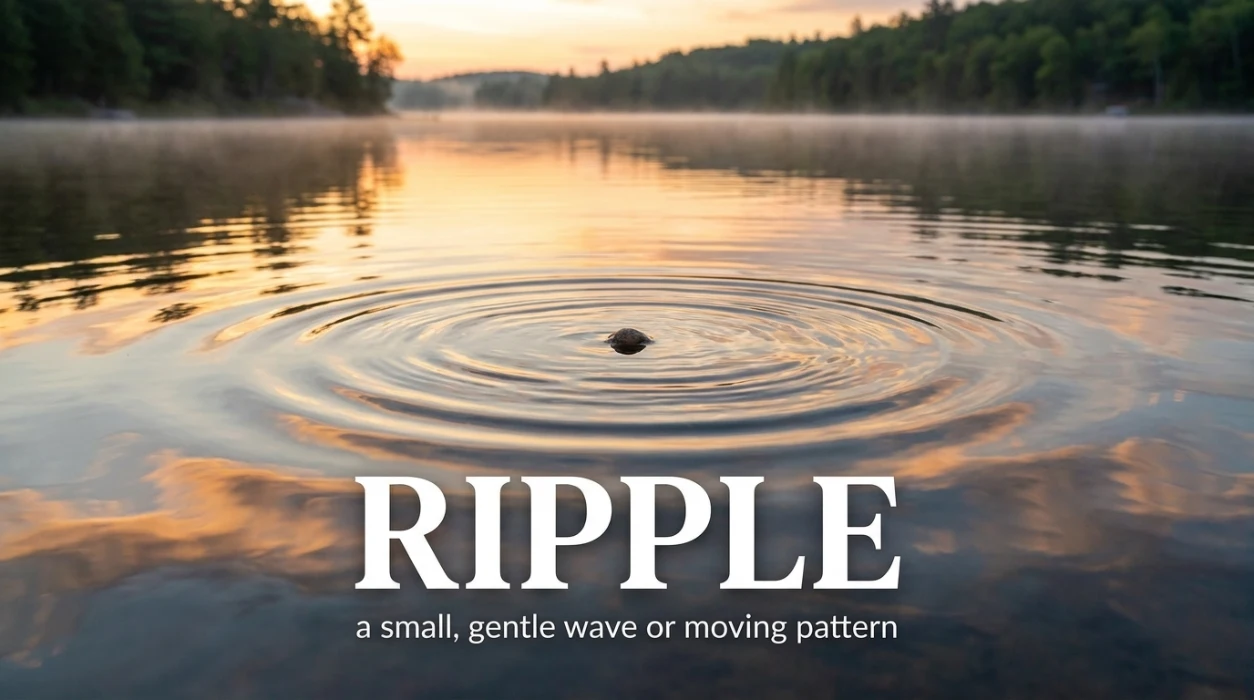
Rippling (Verb) — US: /ˈrɪpəlɪŋ/ — UK: /ˈrɪpəlɪŋ/
- Meaning: Flow with a small, gentle ripple or moving pattern.
- Tone/Register: Descriptive, poetic.
- Example: Stream waters rippled over smooth river stones.
- Example: Muscles rippled across his arms during workouts.
Resonance (Verb context / Action) — US: /ˈrɛzənəns/ — UK: /ˈrezənəns/
- Meaning: Evoke or produce deep, full, reverberating sound vibrations.
- Tone/Register: Acoustic, formal.
- Example: Cello strings resonated deeply within wooden concert halls.
- Example: Church bells resonated across quiet morning neighborhoods.
Reverberate (Verb) — US: /rɪˈvɜːrbəreɪt/ — UK: /rɪˈvɜːbəreɪt/
- Meaning: Be repeated several times as an echo.
- Tone/Register: Formal, acoustic.
- Example: Thunder reverberated across mountain canyon walls.
- Example: Laughter reverberated through the empty hallway.
Echo (Verb) — US: /ˈɛkoʊ/ — UK: /ˈekəʊ/
- Meaning: Send back or be filled with a repeated sound.
- Tone/Register: Standard, descriptive.
- Example: Footsteps echoed inside the stone cathedral.
- Example: Shouts echoed across the deep valley.
Resound (Verb) — US: /rɪˈzaʊnd/ — UK: /rɪˈzaʊnd/
- Meaning: Fill a place with sound; ring or reverberate.
- Tone/Register: Literary, formal.
- Example: Music resounded throughout the grand ballroom.
- Example: Cheers resounded across the sports stadium.
Thud (Verb) — US: /θʌd/ — UK: /θʌd/
- Meaning: Move or strike with a dull, heavy sound.
- Tone/Register: Descriptive, heavy.
- Example: Heavy books thudged onto wooden library tables.
- Example: Apples thudged onto grass from orchard branches.
Thump (Verb) — US: /θʌmp/ — UK: /θʌmp/
- Meaning: Hit heavily with a dull, thudding sound.
- Tone/Register: Casual, forceful.
- Example: Drums thumped rhythmically during marching band parades.
- Example: Angry neighbors thumped on apartment walls.
Pound (Verb) — US: /paʊnd/ — UK: /paʊnd/
- Meaning: Strike or hit heavily and repeatedly.
- Tone/Register: Forceful, intense.
- Example: Ocean waves pounded against rocky coastal cliffs.
- Example: Heavy rain pounded tin roof shingles.
Beat (Verb) — US: /biːt/ — UK: /biːt/
- Meaning: Strike repeatedly or pulsate with rhythmic motion.
- Tone/Register: Common, active.
- Example: Hearts beat faster during strenuous cardiovascular workouts.
- Example: Wings beat rapidly as hummingbirds hovered near flowers.
Drum (Verb) — US: /drʌm/ — UK: /drʌm/
- Meaning: Make a rhythmic beating sound like a drum.
- Tone/Register: Casual, descriptive.
- Example: Fingers drummed impatiently on wooden office desks.
- Example: Raindrops drummed against window panes overnight.
Tap (Verb) — US: /tæp/ — UK: /tæp/
- Meaning: Strike a quick, light blow repeatedly.
- Tone/Register: Light, casual.
- Example: She tapped her pen against the notebook.
- Example: Blind visitors tapped walking canes along sidewalks.
Patter (Verb) — US: /ˈpætər/ — UK: /ˈpætə/
- Meaning: Make a rapid succession of light tapping sounds.
- Tone/Register: Literary, descriptive.
- Example: Tiny footsteps pattered down upstairs hallways.
- Example: Rain pattered softly against glass windows.
Pit-a-pat (Verb) — US: /ˌpɪt ə ˈpæt/ — UK: /ˌpɪt ə ˈpæt/
- Meaning: Make a rapid succession of light beating sounds.
- Tone/Register: Literary, whimsical.
- Example: Kitten paws pitter-pattered across hardwood floors.
- Example: Hearts went pit-a-pat with nervous excitement.
Flutter (Verb) — US: /ˈflʌtər/ — UK: /ˈflʌtə/
- Meaning: Move with quick, fluttering oscillations.
- Tone/Register: Light, descriptive.
- Example: Paper notes fluttered downward from balconies.
- Example: Flags fluttered briskly in ocean breezes.
Agitate (Verb) — US: /ˈædʒɪˌteɪt/ — UK: /ˈædʒɪteɪt/
- Meaning: Make (someone) troubled or nervous, or shake liquid rapidly.
- Tone/Register: Technical, formal.
- Example: Chemists agitated solution flasks during experiments.
- Example: Strong winds agitated surface lake waters.
Commute (Action context) — US: /kəˈmjuːt/ — UK: /kəˈmjuːt/
- Meaning: Travel some distance between one’s home and place of work on a regular basis.
- Tone/Register: Business, standard.
- Example: Office workers commuted by train every morning.
- Example: Suburban residents commuted downtown for meetings.
Churn (Verb) — US: /tʃɜːrn/ — UK: /tʃɜːn/
- Meaning: Stir or agitate violently or vigorously.
- Tone/Register: Descriptive, intense.
- Example: Washing machines churned dirty clothes in soapy water.
- Example: Stormy seas churned beneath dark clouds.
Swirl (Verb) — US: /swɜːrl/ — UK: /swɜːl/
- Meaning: Move in a twisting or spiraling pattern.
- Tone/Register: Graceful, descriptive.
- Example: Fall leaves swirled across empty park lawns.
- Example: Cream swirled smoothly inside morning coffee cups.
Whirl (Verb) — US: /wɜːrl/ — UK: /wɜːl/
- Meaning: Move or cause to move rapidly round and round.
- Tone/Register: Dynamic, energetic.
- Example: Dancers whirled across polished ballroom floors.
- Example: Snow flurries whirled in winter winds.
Spin (Verb) — US: /spɪn/ — UK: /spɪn/
- Meaning: Turn or cause to turn or whirl round quickly.
- Tone/Register: Common, active.
- Example: Children spun colorful toy tops on tables.
- Example: Car tires spun in loose gravel.

Twirl (Verb) — US: /twɜːrl/ — UK: /twɜːl/
- Meaning: Spin quickly round and round.
- Tone/Register: Playful, casual.
- Example: She twirled her umbrella in the rain.
- Example: Ballerinas twirled gracefully on stage.
Pivot (Verb) — US: /ˈpɪvət/ — UK: /ˈpɪvət/
- Meaning: Turn on or as if on a pivot.
- Tone/Register: Professional, athletic.
- Example: Basketball players pivoted quickly to passthe balls.
- Example: Security cameras pivoted to track movement.
Swivel (Verb) — US: /ˈswɪvəl/ — UK: /ˈswɪvl/
- Meaning: Turn around on or as if on a pivot.
- Tone/Register: Casual, common.
- Example: Office workers swiveled around in desk chairs.
- Example: Owls swiveled their heads to watch prey.
Rotative (Verb variant) — US: /ˈroʊtətɪv/ — UK: /ˈrəʊtətɪv/
- Meaning: Turning round on an axis like a wheel.
- Tone/Register: Technical, formal.
- Example: Engineers designed rotative turbine blades for engines.
- Example: Machinery parts utilized rotational motion systems.
Synonyms by Tone
Choosing the right alternative depends entirely on whether you want to sound technical, poetic, or alarming.
- Positive tone: Pulsate, resound, resonate, sway, flutter.
- Neutral tone: Oscillate, shake, tremble, pulse, fluctuate.
- Negative tone: Rattle, wobble, jolt, churn, agitate.
- Playful/informal tone: Jiggle, wiggle, thump, tap.
Tone matters because describing a relaxing guitar melody as rattling sounds harsh, while calling an earthquake tremor fluttering minimizes its danger.
Mini Comparison: Oscillate vs. Tremble vs. Vibrate
- Oscillate highlights steady, technical back-and-forth movement like pendulums or fans.
- Tremble emphasizes emotional or involuntary shivering caused by fear or cold.
- Vibrate serves as the balanced term covering both electronic alerts and mechanical shaking.
Use oscillate for physics, tremble for emotions, and vibrate for general shaking.
Context-Based Usage
- Daily conversation: In casual talk, native speakers use friendly words like shake, wobble, or jiggle.
- Writing or blogging: Authors use evocative terms like quiver, pulsate, or undulate to build rich prose.
- Professional or academic tone: Specialists rely on precise terms like oscillate, reverberate, or fluctuate.
- Creative or informal use: Bloggers employ vivid terms like rattle or churn to describe noisy machinery.
Common Mistakes & Native Usage
Common Mistakes Learners Make
- Misuse scenarios: Applying emotional terms like tremble to describe a factory machine’s mechanical oscillation.
- Confusing tone: Mixing technical physics words like oscillate into casual chat about cell phone alerts.
- Overuse warnings: Repeating the same shaking verb throughout an essay makes your vocabulary feel repetitive rather than rich.
Register Notes
- Spoken chats favor direct words like shake and vibrate.
- Written essays reward descriptive choices like oscillate, quiver, and pulsate.
Real-Life Mini Scenarios
- Workplace: Acoustic engineers measured sound frequencies resonating inside testing chambers.
- Social situations: Smartphones buzzed and vibrated quietly during morning team meetings.
- Media/pop culture: Movie theaters shook as heavy bass speakers pulsated during action scenes.
- Writing or storytelling: Authors revised book manuscripts, replacing basic verbs with quiver for literary depth.

Conclusion
Understanding synonyms for vibrate can help you describe movement, shaking, trembling, or oscillation more accurately. Different alternatives have slightly different meanings, so choosing the right word depends on the situation and the tone of your writing.
Using synonyms for vibrate can also make your vocabulary richer and prevent repetitive language. Words such as tremble, quiver, shake, oscillate, and shudder can add variety and help you express physical movement, sound, or sensation more clearly.
By learning different synonyms for vibrate, you can improve your vocabulary and make your writing more natural, precise, and engaging. Whether you are a student, blogger, writer, or English learner, these alternatives can help you communicate your ideas with greater confidence.
Practice Exercise
- Which verb best describes steady back-and-forth movement like a pendulum?
- A) Oscillate
- B) Freeze
- C) Melt
- D) Rest
- What emotional tone does the involuntary term tremble typically carry?
- A) Shivering from fear, cold, or emotion
- B) Joyful celebratory feast
- C) Peaceful slumber
- D) Culinary delight
- Which term is ideal for describing sound waves echoing through a grand hall?
- A) Reverberate
- B) Silence
- C) Fading
- D) Stopping
- If a cell phone on silent mode shakes against a wooden desk, it creates a:
- A) Rattle
- B) Glow
- C) Shine
- D) Shadow
- The refined formal term for rhythmic expansion and contraction is:
- A) Pulsate
- B) Stagnate
- C) Pause
- D) Halt
- What part of speech category do words like vibrate and shake belong to?
- A) Verbs
- B) Nouns only
- C) Adjectives only
- D) Conjunctions only
- Which expression is a common casual word for moving slightly from side to side?
- A) Wobble
- B) Soar
- C) Fly
- D) Float
- Describing smooth wave-like motion across wheat fields uses the verb:
- A) Undulate
- B) Crash
- C) Smash
- D) Break
- The formal academic term for irregular price or temperature changes is:
- A) Fluctuate
- B) Stabilize
- C) Fix
- D) Freeze
- Which word describes a quick, sharp movement away from danger?
- A) Jerk
- B) Linger
- C) Hover
- D) Rest
Reflection Task
Write one short, original sentence using the word pulsate to describe neon city lights.
Answer Key: 1: A | 2: A | 3: A | 4: A | 5: A | 6: A | 7: A | 8: A | 9: A | 10: A
FAQs
1. What is the meaning of “vibrate”?
“Vibrate” means to move rapidly back and forth, shake, or tremble. It can also describe a sound or sensation produced by such movement.
2. What are the common synonyms for “vibrate”?
Common synonyms include shake, tremble, quiver, oscillate, shudder, pulsate, and jiggle. The best choice depends on the context.
3. What is a simple synonym for “vibrate”?
Shake is one of the simplest and most commonly used synonyms for “vibrate.” For example, “The machine vibrated” can become “The machine shook.”
4. Is “tremble” a synonym for “vibrate”?
Yes. Tremble can be used as a synonym when something moves with small, quick, or involuntary movements, especially because of fear, cold, or excitement.
5. How can I use synonyms for “vibrate” in writing?
Choose a synonym according to the type of movement you want to describe. For example, use quiver for slight shaking, oscillate for repeated movement between points, and shudder for a sudden shaking motion.

Hasnain Ali is an SEO Content Strategist and the founder of wordvora.com, a trusted vocabulary platform that helps writers, students, professionals, and English learners find accurate synonyms, antonyms, word meanings, and real-life usage examples. He specializes in keyword research, on-page SEO, topical authority, and creating search-first content that aligns with Google’s latest Search Quality and E-E-A-T guidelines. His work focuses on producing clear, well-structured, and reader-friendly resources that satisfy search intent while maintaining high editorial standards.
Through extensive hands-on experience with SEO tools such as Google Search Console, Google Analytics, SEMrush, and Ahrefs, Hasnain researches user search behavior and develops content that is both informative and easy to understand. Every article published on wordvora.com is carefully reviewed for accuracy, readability, and contextual relevance before publication. His mission is to build one of the web’s most reliable English vocabulary resources by providing practical language guidance, trustworthy explanations, and content that helps readers improve their writing, communication, and vocabulary with confidence.