

Synonyms for voracious can transform simple descriptions into more precise, expressive language. Imagine a friend finishing an entire pizza before anyone else gets a slice.
That person might be called voracious, especially when they eat with great eagerness. The word can also describe a strong appetite for books, knowledge, or experiences.
Learning synonyms for voracious helps students, bloggers, content writers, and daily English users choose words that match the exact meaning and tone they need.
From ravenous and insatiable to avid and greedy, synonyms for voracious can make your speaking and writing more varied, natural, and engaging.
What Does “Voracious” Really Mean?
Voracious is an adjective that describes someone who wants or consumes a very large amount of something, especially food.
In simple English, voracious means having an extremely strong appetite or desire for something.
For example:
She has a voracious appetite and can eat a surprisingly large meal.
The word can also describe an intense desire for non-food things.
He is a voracious reader who finishes several books every month.
Native speakers commonly use voracious for eating, reading, learning, consuming information, and pursuing experiences.
Part of Speech
Voracious — adjective
Related forms include:
- Voraciously — adverb
- Voraciousness — noun
Connotative Meaning
Connotation (the emotional or cultural feeling associated with a word beyond its basic dictionary meaning) can change how voracious sounds.
Positive Tone
When describing learning or reading, voracious can suggest enthusiasm, curiosity, and impressive dedication.
Maya is a voracious reader.
This usually sounds positive.
Negative Tone
When describing eating or wanting too much, voracious can suggest excess, greed, or lack of control.
His voracious appetite surprised everyone.
Neutral Tone
In factual writing, voracious can simply describe unusually large consumption without strong judgment.
The animal is a voracious predator.
Therefore, context matters greatly.
Etymology of “Voracious”
The English word voracious comes from Latin vorax, meaning “devouring” or “greedy,” which comes from the Latin verb vorare, meaning “to devour” or “swallow greedily.”
The word entered English through French and Latin-based vocabulary. Its central idea has remained connected to consuming something eagerly or in large quantities.
Old English: 450–1100
Voracious was not a normal Old English word. Old English had native words for hunger, eating, greed, and desire, but the modern Latin-derived form had not yet entered English.
Middle English: 1100–1500
During Middle English, English increasingly borrowed vocabulary from French and Latin. However, voracious itself was still not an everyday Middle English term.
Modern English: 1500–Present
The word became established in Early Modern English. Over time, its meaning expanded beyond eating. Today, a person can have a voracious appetite for books, information, knowledge, entertainment, or new experiences.
Pronunciation of “Voracious”
- US: /vəˈreɪʃəs/
- UK: /vəˈreɪʃəs/
Syllables
vo-ra-cious
Affixation Pattern of “Voracious”
Root: Latin vor- related to devouring
Prefix: None in modern English
Suffix: -acious, forming an adjective associated with a characteristic or tendency
Synonyms List
Insatiable (Adjective) — US: /ɪnˈseɪʃəbəl/ — UK: /ɪnˈseɪʃəbl/
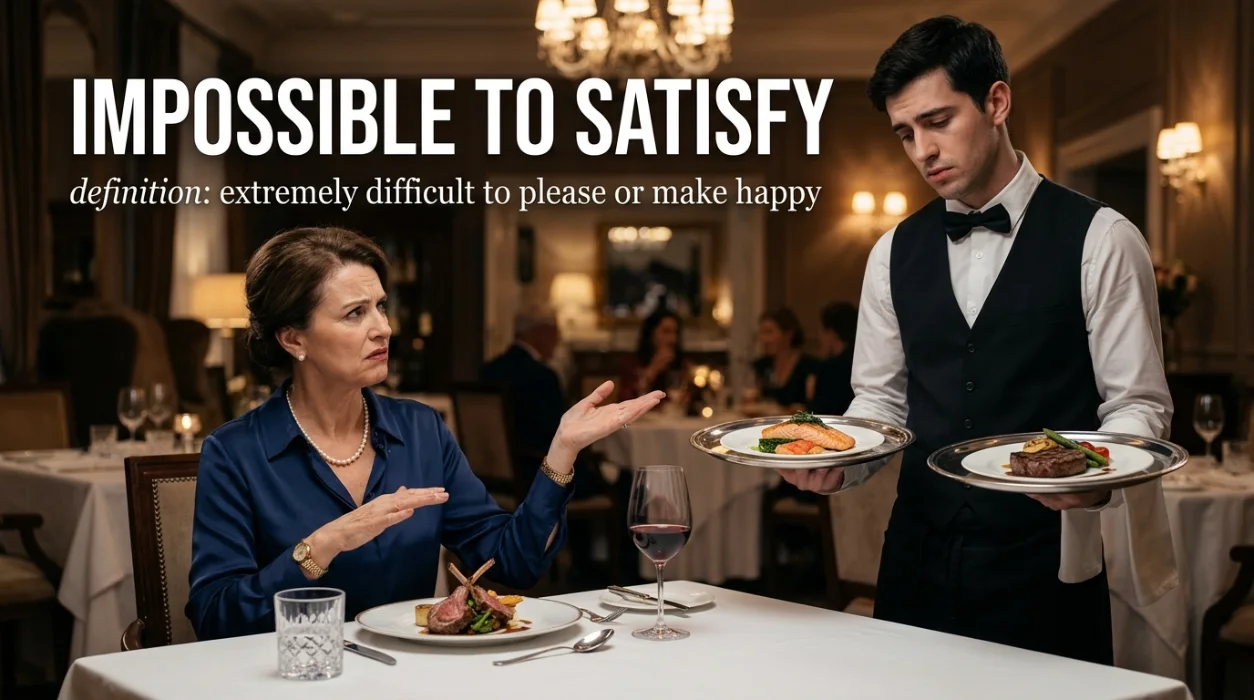
- Meaning: Impossible to satisfy.
- Tone/Register: Literary, formal.
- Example: She possessed an insatiable curiosity about ancient history.
- Example: The young entrepreneur showed an insatiable drive for success.
Gluttonous (Adjective) — US: /ˈɡlʌtənəs/ — UK: /ɡlʌtənəs/
- Meaning: Given to excessive eating.
- Tone/Register: Critical, formal.
- Example: The gluttonous puppy ate all the treats in one go.
- Example: Guests sneered at the gluttonous display of wealth and food.
Ravenous (Adjective) — US: /ˈrævənəs/ — UK: /ˈrævənəs/
- Meaning: Extremely hungry.
- Tone/Register: Common, vivid.
- Example: Hiking all morning left the campers completely ravenous.
- Example: He developed a ravenous appetite after soccer practice.
Greedy (Adjective) — US: /ˈɡriːdi/ — UK: /ˈɡriːdi/
- Meaning: Having or showing an intense and selfish desire for wealth or power.
- Tone/Register: Informal, common.
- Example: Greedy corporations ignored environmental safety regulations completely.
- Example: The child was greedy and refused to share snacks.
Piggish (Adjective) — US: /ˈpɪɡɪʃ/ — UK: /ˈpɪɡɪʃ/
- Meaning: Resembling a pig, especially in being greedy or dirty.
- Tone/Register: Informal, blunt.
- Example: His piggish manners at the dinner table shocked guests.
- Example: She apologized for her piggish behavior during lunch.
Hoggish (Adjective) — US: /ˈhɒɡɪʃ/ — UK: /ˈhɒɡɪʃ/
- Meaning: Selfish and greedy.
- Tone/Register: Informal, disapproving.
- Example: Taking all the prizes showed hoggish selfishness.
- Example: Friends scolded him for his hoggish appetite.
Rapacious (Adjective) — US: /rəˈpeɪʃəs/ — UK: /rəˈpeɪʃəs/
- Meaning: Aggressively greedy or grasping.
- Tone/Register: Formal, literary.
- Example: Rapacious lenders targeted vulnerable first-time homebuyers.
- Example: Empires expanded through rapacious territorial conquest.
Avid (Adjective) — US: /ˈævɪd/ — UK: /ˈævɪd/
- Meaning: Having or showing a keen interest in or enthusiasm for something.
- Tone/Register: Positive, standard.
- Example: An avid reader finished three novels every week.
- Example: He remained an avid supporter of the local soccer club.
Eager (Adjective) — US: /ˈiːɡər/ — UK: /ˈiːɡə/
- Meaning: Strongly wanting to do or have something.
- Tone/Register: Common, positive.
- Example: Eager students raised their hands to answer the question.
- Example: The puppy looked eager for its evening walk.
Keen (Adjective) — US: /kiːn/ — UK: /kiːn/
- Meaning: Having or showing eagerness or enthusiasm.
- Tone/Register: British, common.
- Example: She was keen to learn new computer programming languages.
- Example: Local gardeners were keen to plant spring flowers early.
Enthusiastic (Adjective) — US: /ɪnˌθuːziˈæstɪk/ — UK: /ɪnˌθuːziˈæstɪk/
- Meaning: Showing intense and eager enjoyment, interest, or approval.
- Tone/Register: Energetic, positive.
- Example: Fans gave an enthusiastic cheer when the band took the stage.
- Example: The teacher praised the enthusiastic classroom response.
Ardent (Adjective) — US: /ˈɑːrdənt/ — UK: /ˈɑːdnt/
- Meaning: Very enthusiastic or passionate.
- Tone/Register: Literary, formal.
- Example: Ardent conservationists protected the old-growth forest.
- Example: She was an ardent believer in community service.
Fervent (Adjective) — US: /ˈfɜːrvənt/ — UK: /m/
- Meaning: Having or displaying a passionate intensity.
- Tone/Register: Formal, emotional.
- Example: The leader made a fervent plea for peace.
- Example: Fervent prayers echoed through the old stone chapel.
Zealous (Adjective) — US: /ˈzɛləs/ — UK: /ˈzeləs/
- Meaning: Having or showing zeal.
- Tone/Register: Formal, intense.
- Example: Zealous volunteers cleaned up the city park in hours.
- Example: The zealous activist campaigned tirelessly for reform.
Passionate (Adjective) — US: /ˈpæʃənət/ — UK: /ˈpæʃənət/
- Meaning: Showing or caused by strong feelings or a strong belief.
- Tone/Register: Emotional, common.
- Example: She delivered a passionate speech about human rights.
- Example: He was a passionate painter working in his studio.
Starving (Adjective) — US: /ˈstɑːrvɪŋ/ — UK: /ˈstɑːvɪŋ/
- Meaning: Suffering or dying from hunger.
- Tone/Register: Casual, dramatic.
- Example: Stray dogs looked starving in the winter cold.
- Example: The kids came inside claiming they were starving.
Famished (Adjective) — US: /ˈfæmɪʃt/ — UK: /ˈfæmɪʃt/
- Meaning: Extremely hungry.
- Tone/Register: Casual, conversational.
- Example: We felt completely famished after the long hike.
- Example: Dinner could not come fast enough for the famished crew.
Esurient (Adjective) — US: /ɪˈsʊriənt/ — UK: /ɪˈsʊəriənt/
- Meaning: Hungry or greedy.
- Tone/Register: Rare, archaic.
- Example: The esurient merchant demanded higher profits from trade.
- Example: Writers rarely encounter such an esurient vocabulary term today.
Omnivorous (Adjective) — US: /ɑːmˈnɪvərəs/ — UK: /ɒmˈnɪvərəs/
- Meaning: Eating animal and plant food, or taking in everything available.
- Tone/Register: Scientific, figurative.
- Example: Bears are known as omnivorous woodland mammals.
- Example: She had an omnivorous appetite for reading science fiction.
Predatory (Adjective) — US: /ˈprɛdətɔːri/ — UK: /ˈpredətəri/
- Meaning: Relating to or denoting animals that prey on others.
- Tone/Register: Formal, biological.
- Example: Lions are fierce predatory cats of the savannah.
- Example: Regulators cracked down on predatory banking practices.
Rapacious (Adjective variant) — US: /rəˈpeɪʃəs/ — UK: /rəˈpeɪʃəs/
- Meaning: Inordinately greedy.
- Tone/Register: Formal, literary.
- Example: Rapacious developers tore down historic buildings for parking lots.
- Example: The rapacious beast stalked through dense brushwood.
Wolfish (Adjective) — US: /ˈwʊlfɪʃ/ — UK: /ˈwʊlfɪʃ/
- Meaning: Resembling a wolf, especially in being fierce or greedy.
- Tone/Register: Literary, descriptive.
- Example: He flashed a wolfish grin across the table.
- Example: The stranger eyed the money with wolfish hunger.
Depredatory (Adjective) — US: /ˈdɛprɪdətɔːri/ — UK: /ˈdeprɪdətəri/
- Meaning: Inflicting plundering or marauding damage.
- Tone/Register: Academic, formal.
- Example: Historical texts recorded the depredatory raids of pirates.
- Example: Farmers guarded crops against depredatory wildlife.
Edacious (Adjective) — US: /ɪˈdeɪʃəs/ — UK: /ɪˈdeɪʃəs/
- Meaning: Relating to eating or fond of eating.
- Tone/Register: Literary, archaic.
- Example: The edacious guest returned three times for dessert.
- Example: Scholars studied edacious habits in historical banquet logs.
Communal (Adjective variant) — US: /kəˈmjuːnəl/ — UK: /ˈkɒmjʊnl/
- Meaning: Shared by all members of a community.
- Tone/Register: Sociological, formal.
- Example: Villagers shared meals in the communal dining hall.
- Example: Gardens flourished in the communal neighborhood plot.

Insatiate (Adjective) — US: /ɪnˈseɪʃieɪt/ — UK: /ɪnˈseɪʃieɪt/
- Meaning: Never satisfied.
- Tone/Register: Literary, poetic.
- Example: Poets wrote of insatiable human desires and dreams.
- Example: The monster possessed an insatiable thirst for power.
Unquenchable (Adjective) — US: /ʌnˈkwɛntʃəbəl/ — UK: /ʌnˈkwentʃəbl/
- Meaning: Not able to be satisfied.
- Tone/Register: Literary, emotive.
- Example: She harbored an unquenchable passion for travel.
- Example: Athletes showed an unquenchable thirst for victory.
Unslaked (Adjective) — US: /ʌnˈsleɪkt/ — UK: /ʌnˈsleɪkt/
- Meaning: Not quenched or satisfied.
- Tone/Register: Poetic, formal.
- Example: His curiosity remained unslaked despite many answers.
- Example: Travelers rested with unslaked thirst near dry riverbeds.
Unappeasable (Adjective) — US: /ʌnəˈpiːzəbəl/ — UK: /ʌnəˈpiːzəbl/
- Meaning: Impossible to appease or satisfy.
- Tone/Register: Formal, intense.
- Example: The dictator had an unappeasable appetite for control.
- Example: Crowds voiced unappeasable demands for economic reform.
Grasping (Adjective) — US: /ˈɡræspɪŋ/ — UK: /ˈɡrɑːspɪŋ/
- Meaning: Avaricious, greedy.
- Tone/Register: Disapproving, common.
- Example: Relatives fought over the grasping inheritance claims.
- Example: The grasping landlord raised rents unexpectedly.
Avaricious (Adjective) — US: /ˌævəˈrɪʃəs/ — UK: /ˌævərˈɪʃəs/
- Meaning: Having or showing an extreme greed for wealth or material gain.
- Tone/Register: Formal, critical.
- Example: Avaricious bankers faced strict regulatory investigations.
- Example: Stories warned children against avaricious kings.
Covetous (Adjective) — US: /ˈkʌvɪtəs/ — UK: /ˈkʌvɪtəs/
- Meaning: Having or showing a great desire to possess something belonging to someone else.
- Tone/Register: Literary, formal.
- Example: He cast covetous glances at his neighbor’s sports car.
- Example: Ancient laws warned citizens against covetous thoughts.
Rapacious (Financial variant) — US: /rəˈpeɪʃəs/ — UK: /rəˈpeɪʃəs/
- Meaning: Extortionate and greedy.
- Tone/Register: Financial, formal.
- Example: Rapacious market speculators drove up food prices.
- Example: Economists criticized rapacious corporate monopolies.
Omnivorous (Reading variant) — US: /ɑːmˈnɪvərəs/ — UK: /ɒmˈnɪvərəs/
- Meaning: Taking in everything available, especially regarding reading material.
- Tone/Register: Literary, intellectual.
- Example: The professor was an omnivorous reader of philosophy.
- Example: Libraries catered to omnivorous students seeking knowledge.
Insatiable (Desire variant) — US: /ɪnˈseɪʃəbəl/ — UK: /ɪnˈseɪʃəbl/
- Meaning: Incurably eager or greedy.
- Tone/Register: Academic, formal.
- Example: Science requires an insatiable quest for empirical truth.
- Example: Explorers shared an insatiable wanderlust for unknown lands.
Rapacious (Adjective variant) — US: /rəˈpeɪʃəs/ — UK: /rəˈpeɪʃəs/
- Meaning: Excessively grasping or given to plundering.
- Tone/Register: Formal, literary.
- Example: Rapacious invaders looted villages across the border.
- Example: Historians documented the rapacious behavior of colonial rulers.
Omnivorous (Adjective variant) — US: /ɑːmˈnɪvərəs/ — UK: /ɒmˈnɪvərəs/
- Meaning: Feeding on food of both plant and animal origin, or consuming everything eagerly.
- Tone/Register: Academic, figurative.
- Example: The omnivorous scholar read every book in the library.
- Example: Students showed an omnivorous interest in all science subjects.
Insatiable (Adjective variant) — US: /ɪnˈseɪʃəbəl/ — UK: /ɪnˈseɪʃəbl/
- Meaning: Impossible to appease or quench.
- Tone/Register: Formal, expressive.
- Example: Investors had an insatiable appetite for high-tech stocks.
- Example: The traveler held an insatiable desire to see new countries.
Ravenous (Adjective variant) — US: /ˈrævənəs/ — UK: /ˈrævənəs/
- Meaning: Extremely hungry or greedy for gratification.
- Tone/Register: Common, descriptive.
- Example: Marathon runners felt ravenous after crossing the finish line.
- Example: He looked at the buffet with ravenous eyes.
Gluttonous (Adjective variant) — US: /ˈɡlʌtənəs/ — UK: /ˈɡlʌtənəs/
- Meaning: Given to excessive eating or drinking.
- Tone/Register: Critical, formal.
- Example: The gluttonous guest emptied the dessert tray.
- Example: Critics condemned the gluttonous waste of natural resources.
Avid (Adjective variant) — US: /ˈævɪd/ — UK: /ˈævɪd/
- Meaning: Having a strong desire for or interest in something.
- Tone/Register: Positive, standard.
- Example: She was an avid collector of vintage pocket watches.
- Example: He remained an avid follower of global politics.
Eager (Adjective variant) — US: /ˈiːɡər/ — UK: /ˈiːɡə/
- Meaning: Showing keen interest or intense desire.
- Tone/Register: Common, friendly.
- Example: New employees felt eager to start their training projects.
- Example: The crowd grew eager for the concert to begin.
Keen (Adjective variant) — US: /kiːn/ — UK: /kiːn/
- Meaning: Sharp, piercing, or intensely enthusiastic.
- Tone/Register: British, conversational.
- Example: She kept a keen eye on market trends daily.
- Example: Local volunteers were keen to plant new trees.
Enthusiastic (Adjective variant) — US: /ɪnˌθuːziˈæstɪk/ — UK: /ɪnˌθuːziˈæstɪk/
- Meaning: Having or showing intense and eager enjoyment.
- Tone/Register: Energetic, positive.
- Example: The team gave an enthusiastic response to the new plan.
- Example: Children offered enthusiastic participation in art class.
Ardent (Adjective variant) — US: /ˈɑːrdənt/ — UK: /m/
- Meaning: Glowing with passion or characterized by warmth of feeling.
- Tone/Register: Literary, formal.
- Example: Ardent supporters cheered for their local football team.
- Example: He proved an ardent defender of ancient traditions.
Fervent (Adjective variant) — US: /ˈfɜːrvənt/ — UK: /ˈfɜːvənt/
- Meaning: Exhibiting great intensity of feeling.
- Tone/Register: Formal, emotive.
- Example: She held fervent beliefs about social justice.
- Example: The pastor made a fervent appeal for community unity.
Zealous (Adjective variant) — US: /ˈzɛləs/ — UK: /ˈzeləs/
- Meaning: Marked by fervent partisanship for a person, a cause, or an ideal.
- Tone/Register: Formal, intense.
- Example: Zealous auditors reviewed every financial transaction line.
- Example: The zealous coach pushed athletes to break records.

Passionate (Adjective variant) — US: /ˈpæʃənət/ — UK: /ˈpæʃənət/
- Meaning: Capable of, prone to, or marked by intense feeling.
- Tone/Register: Emotional, common.
- Example: She was a passionate advocate for animal rescue groups.
- Example: Artists shared passionate discussions about modern painting.
Famished (Adjective variant) — US: /ˈfæmɪʃt/ — UK: /ˈfæmɪʃt/
- Meaning: Intensely hungry from lack of food.
- Tone/Register: Casual, conversational.
- Example: Working all day outdoors left the crew famished.
- Example: The children ran inside asking for snacks because they were famished.
Starving (Adjective variant) — US: /ˈstɑːrvɪŋ/ — UK: /ˈstɑːvɪŋ/
- Meaning: Suffering severe privation from lack of food.
- Tone/Register: Dramatic, common.
- Example: Stray kittens looked starving in the alleyway.
- Example: He skipped breakfast and felt starving by noon.
Wolfish (Adjective variant) — US: /ˈwʊlfɪʃ/ — UK: /ˈwʊlfɪʃ/
- Meaning: Having the predatory qualities of a wolf.
- Tone/Register: Literary, descriptive.
- Example: The villain wore a wolfish grin while plotting.
- Example: Investors watched the market with wolfish intensity.
Insatiate (Adjective variant) — US: /ɪnˈseɪʃieɪt/ — UK: /ɪnˈseɪʃieɪt/
- Meaning: Incapable of being satisfied.
- Tone/Register: Poetic, literary.
- Example: Writers spoke of an insatiable quest for perfection.
- Example: The character possessed an insatiable thirst for adventure.
Unquenchable (Adjective variant) — US: /ʌnˈkwɛntʃəbəl/ — UK: /ʌnˈkwentʃəbl/
- Meaning: Not capable of being quenched, dampened, or satisfied.
- Tone/Register: Literary, evocative.
- Example: She maintained an unquenchable curiosity about the universe.
- Example: The fire brigade battled an unquenchable blaze.
Avaricious (Adjective variant) — US: /ˌævəˈrɪʃəs/ — UK: /ˌævərˈɪʃəs/
- Meaning: Greedy for gain or excessively acquisitive.
- Tone/Register: Formal, critical.
- Example: The avaricious merchant hoarded gold coins in secret.
- Example: Fables warn against avaricious rulers who exploit subjects.
Covetous (Adjective variant) — US: /ˈkʌvɪtəs/ — UK: /ˈkʌvɪtəs/
- Meaning: Marked by an eager, often wrongful desire for possessions.
- Tone/Register: Literary, formal.
- Example: He cast covetous eyes on his colleague’s promotion.
- Example: Ancient morals warned people against covetous desires.
Synonyms by Tone
Choosing the right alternative depends entirely on whether you want to sound admiring, critical, or casual.
- Positive tone: Avid, eager, keen, enthusiastic, passionate.
- Neutral tone: Omnivorous, insatiable, hungry, intense.
- Negative tone: Gluttonous, greedy, avaricious, rapacious, piggish.
- Playful/informal tone: Famished, starving, wolfish.
Tone matters because calling a diligent lifelong student gluttonous sounds insulting, whereas describing an aggressive corporate takeover artist as keen misses the predatory nature of their actions.
Mini Comparison: Voracious vs. Avid vs. Gluttonous
- Voracious highlights an unstoppable, sweeping appetite for food, media, or knowledge.
- Avid emphasizes enthusiastic, positive dedication to a hobby, sport, or academic interest.
- Gluttonous focuses specifically on excessive, greedy physical consumption of food.
Use voracious for massive intellectual or physical appetites, avid for positive hobbies, and gluttonous for overeating.
Context-Based Usage
- Daily conversation: In casual talk, native speakers use friendly words like famished, eager, or keen.
- Writing or blogging: Authors use evocative terms like insatiable, ardent, or omnivorous to build rich prose.
- Professional or academic tone: Specialists rely on precise terms like rapacious, avaricious, or insatiable.
- Creative or informal use: Bloggers employ vivid terms like avid or wolfish to describe online habits.
Common Mistakes & Native Usage
Common Mistakes Learners Make
- Misuse scenarios: Applying negative food terms like gluttonous to describe someone who loves reading library books.
- Confusing tone: Mixing formal literary words like avaricious into casual chat about weekend dinner plans.
- Overuse warnings: Repeating the same appetite adjective throughout an essay makes your vocabulary feel repetitive rather than rich.
Register Notes
- Spoken chats favor direct words like hungry and eager.
- Written essays reward descriptive choices like insatiable, avid, and rapacious.
Real-Life Mini Scenarios
- Workplace: Corporate executives reviewed reports detailing rapacious market competitors.
- Social situations: Friends shared pizzas while feeling utterly famished after soccer games.
- Media/pop culture: Book reviewers praised the author’s avid fan club online.
- Writing or storytelling: Authors revised book manuscripts, replacing basic nouns with insatiable for literary depth.

Conclusion
Learning synonyms for voracious helps you express hunger, enthusiasm, curiosity, and excessive desire with greater precision. The right word makes your message clearer.
Words such as ravenous, avid, insatiable, and greedy are not interchangeable in every situation. Each carries its own meaning, tone, and emotional effect.
Using synonyms for voracious can strengthen essays, blog posts, conversations, and professional writing. It also helps you sound more natural and confident as an English speaker.
Keep practicing synonyms for voracious in short sentences, emails, essays, and daily conversations. With regular use, these words will become easier to remember and apply.
Practice Exercise
- Which adjective best describes someone with an impossible-to-satisfy appetite for knowledge?
- A) Insatiable
- B) Full
- C) Tired
- D) Quiet
- What emotional tone does the positive hobbyist term avid typically carry?
- A) Enthusiastic and dedicated
- B) Angry and hostile
- C) Sleepy and slow
- D) Cold and bitter
- Which term is ideal for describing excessive, greedy physical consumption of food?
- A) Gluttonous
- B) Athletic
- C) Moderate
- D) Minimal
- If historians study aggressive corporate lenders who take advantage of clients, they describe them as:
- A) Rapacious
- B) Peaceful
- C) Generous
- D) Charitable
- The refined formal term for having an extreme desire for wealth is:
- A) Avaricious
- B) Empty
- C) Clear
- D) Plain
- What part of speech category do words like voracious and avid belong to?
- A) Adjectives
- B) Verbs only
- C) Nouns only
- D) Conjunctions only
- Which expression is a common casual word for feeling extremely hungry?
- A) Famished
- B) Frozen
- C) Solid
- D) Polished
- Describing a person who reads every genre of book available uses the term:
- A) Omnivorous
- B) Blind
- C) Deaf
- D) Mute
- The formal literary term for unquenchable human desire is:
- A) Insatiable
- B) Dry
- C) Empty
- D) Blank
- Which word describes eager students who want to answer classroom questions?
- A) Eager
- B) Absent
- C) Idle
- D) Dormant
Reflection Task
Write one short, original sentence using the word insatiable to describe a scientist’s quest for discovery.
Answer Key: 1: A | 2: A | 3: A | 4: A | 5: A | 6: A | 7: A | 8: A | 9: A | 10: A
FAQs
1. What is the best synonym for voracious when describing hunger?
Ravenous is usually the best synonym when voracious refers specifically to extreme hunger. It means very hungry and eager to eat. Famished and starving are also common alternatives, although starving is more informal. For formal or descriptive writing, ravenous is often the most natural choice.
2. What is a good synonym for voracious reader?
Avid reader is one of the most natural alternatives to voracious reader. Both describe someone who reads enthusiastically and frequently. However, voracious reader emphasizes the large amount of reading, while avid reader focuses more on strong interest and enjoyment. Both expressions are common in modern English.
3. Is voracious a positive or negative word?
The meaning of voracious depends on context. It can be positive when describing someone as a voracious reader or learner, because it suggests enthusiasm and curiosity. However, it can sound negative when describing excessive eating, consumption, or greed. Therefore, the surrounding words determine whether the expression feels complimentary or critical.
4. What is the difference between voracious and insatiable?
Voracious describes someone or something that consumes or desires a great deal. Insatiable goes further by suggesting that the desire cannot easily be satisfied. For example, someone can have a voracious appetite, while an insatiable thirst for knowledge suggests an ongoing desire that is never fully satisfied.
5. Can voracious describe someone who loves learning?
Yes. Voracious is commonly used figuratively to describe intense intellectual curiosity. A voracious learner or voracious reader is someone who eagerly absorbs large amounts of information. In this context, the word generally has a positive tone and suggests enthusiasm, curiosity, dedication, and a strong desire to learn.

Hasnain Ali is an SEO Content Strategist and the founder of wordvora.com, a trusted vocabulary platform that helps writers, students, professionals, and English learners find accurate synonyms, antonyms, word meanings, and real-life usage examples. He specializes in keyword research, on-page SEO, topical authority, and creating search-first content that aligns with Google’s latest Search Quality and E-E-A-T guidelines. His work focuses on producing clear, well-structured, and reader-friendly resources that satisfy search intent while maintaining high editorial standards.
Through extensive hands-on experience with SEO tools such as Google Search Console, Google Analytics, SEMrush, and Ahrefs, Hasnain researches user search behavior and develops content that is both informative and easy to understand. Every article published on wordvora.com is carefully reviewed for accuracy, readability, and contextual relevance before publication. His mission is to build one of the web’s most reliable English vocabulary resources by providing practical language guidance, trustworthy explanations, and content that helps readers improve their writing, communication, and vocabulary with confidence.