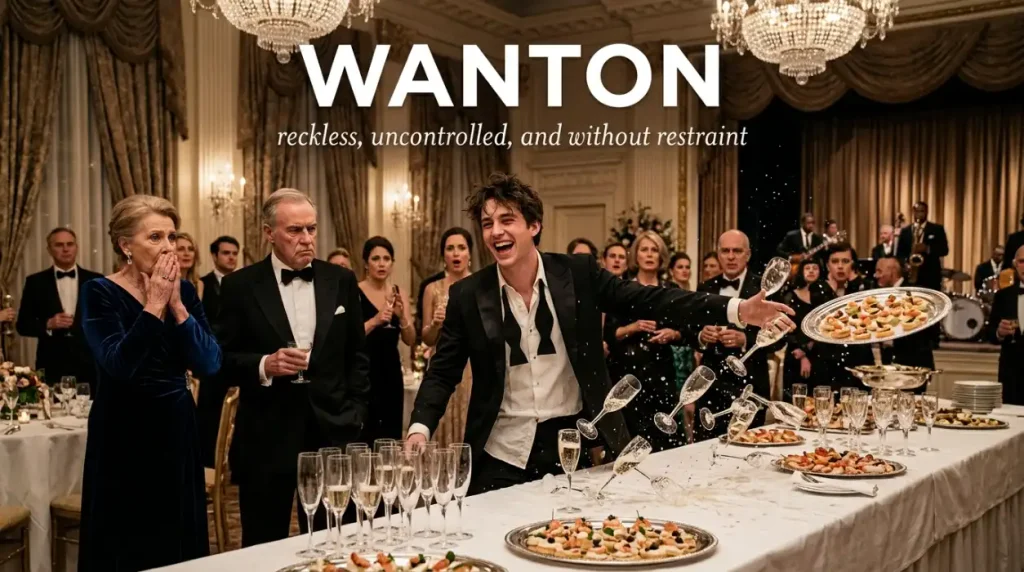
Understanding the meaning of words is important for improving vocabulary and communication skills. One such interesting word is wanton, which can have different meanings depending on the context in which it is used.
The word wanton is commonly used to describe something reckless, uncontrolled, excessive, or lacking restraint. In some contexts, it can also refer to immoral or sexually inappropriate behavior, so understanding the situation is important when using this word.
Learning the synonyms of wanton can help you express ideas more clearly and avoid repetition in your writing. Words such as reckless, unrestrained, careless, wild, and indiscriminate may work as alternatives, depending on the intended meaning.
In this article, we will explore the definition, meanings, synonyms, and examples of wanton. By the end, you will have a clearer understanding of how to use this word correctly in different sentences and situations.
What Does “Synonyms For Wanton” Really Mean?
Synonyms for wanton mean finding alternative terms that express deliberate and unprovoked actions, or behavior that is undisciplined and unrestrained. It sets up a severe tone aimed at capturing malicious carelessness, reckless abandon, or unjustified destruction.
Native speakers use these terms when discussing senseless vandalism, irresponsible lifestyle choices, or cruel disregard for safety. It carries a heavy emotional tone ranging from stern legal disapproval to dark literary drama. It usually suggests a lack of restraint, willful malice, and careless disregard.
Connotative Meaning
- Positive tone: Associated with joyful physical freedom, lively uninhibited dancing, and exuberant artistic expression.
- Negative tone: Linked with malicious property damage, reckless cruelty, and irresponsible abandonment of duty.
- Neutral tone: Used in legal liability reports, judicial briefs, and historical negligence studies.
- Connotation definition: (The emotional or cultural feeling attached to a word or phrase beyond its strict dictionary definition).
Etymology
- Source Language: Old English wan-, meaning lacking, combined with togen, meaning disciplined or reared.
- Original Meaning: Originally meant undisciplined, unruly, or uneducated.
- Old English (450–1100): Early Germanic roots designated lack of proper upbringing or stubborn wildness.
- Middle English (1100–1500): Shifted to mean playful, lewd, or lacking moral restraint in chivalric literature.
- Modern English (1500–Present): Established primarily in legal and formal writing to describe malicious, unprovoked acts.
Pronunciation (US & UK – IPA)
- US: /ˈsɪnənɪmz fɔːr ˈwɔːntən/
- UK: /ˈsɪnənɪmz fɔːr ˈwɒntən/
Syllables & Affixation Pattern
- Syllables: syn-o-nyms-for-wan-ton
- Root: wan (lacking) + te (drawn)
- Prefixes: syn- (together)
- Suffix: -ton (historic affix variant)
Synonyms List
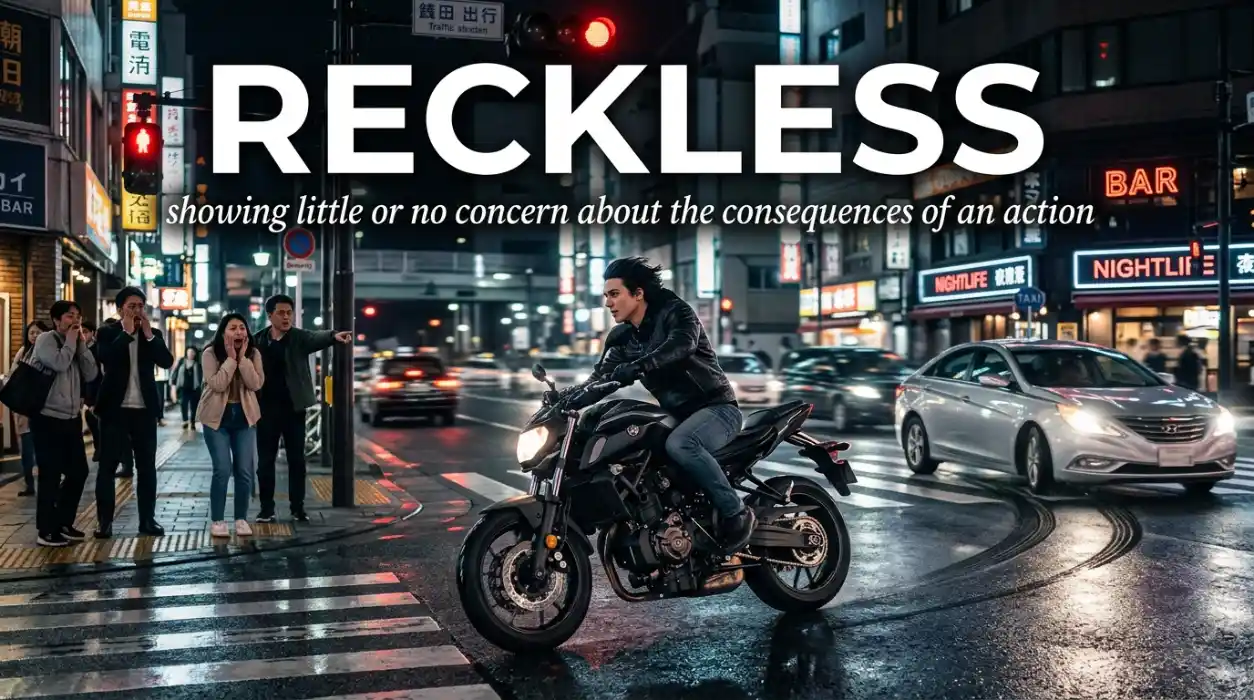
Reckless (Adjective) — US: /ˈrɛkləs/ — UK: /ˈrekləs/
- Meaning: Showing a lack of care about the consequences of an action.
- Tone/Register: Common, legal.
- Example: The driver faced criminal charges for reckless speeding.
- Example: Police warned teenagers against reckless swimming near the dam.
Malicious (Adjective) — US: /məˈlɪʃəs/ — UK: /məˈlɪʃəs/
- Meaning: Characterized by malice; intending or intended to harm.
- Tone/Register: Formal, legal.
- Example: Vandals caused malicious damage to public park benches.
- Example: The court investigated malicious rumors spread online.
Senseless (Adjective) — US: /ˈsɛnsləs/ — UK: /ˈsensləs/
- Meaning: Done or happening without any good reason or purpose.
- Tone/Register: Common, emotional.
- Example: Neighbors mourned the senseless destruction of the historic tree.
- Example: Police called the late-night vandalism completely senseless.
Unprovoked (Adjective) — US: /ˌʌnprəˈvoʊkt/ — UK: /ˌʌnprəˈvəʊkt/
- Meaning: Not stimulated or given cause by something done or said.
- Tone/Register: Formal, legal.
- Example: Security guards reported an unprovoked attack near the station.
- Example: The stray dog launched an unprovoked bite at the runner.
Aimless (Adjective) — US: /ˈeɪmləs/ — UK: /ˈeɪmləs/
- Meaning: Without purpose or direction.
- Tone/Register: Descriptive, common.
- Example: He spent the rainy afternoon taking aimless walks downtown.
- Example: Stray notes filled her notebook during aimless doodling.
Purposeless (Adjective) — US: /ˈpɜːrpəs ləs/ — UK: /ˈpɜːpəs ləs/
- Meaning: Having no purpose or design.
- Tone/Register: Formal, descriptive.
- Example: Inspectors found boxes of purposeless paperwork stored away.
- Example: The project stalled due to purposeless management delays.
Groundless (Adjective) — US: /ˈɡraʊndləs/ — UK: /ˈɡraʊndləs/
- Meaning: Not based on any good reason or fact.
- Tone/Register: Formal, standard.
- Example: Editors dismissed rumors of bankruptcy as groundless speculation.
- Example: Lawyers proved the accusations were entirely groundless.
Baseless (Adjective) — US: /ˈbeɪsləs/ — UK: /ˈbeɪsləs/
- Meaning: Without foundation in fact.
- Tone/Register: Formal, legal.
- Example: The company issued a statement denying baseless allegations.
- Example: Investigators threw out baseless claims of financial fraud.
Unjustified (Adjective) — US: /ʌnˈdʒʌstɪfaɪd/ — UK: /ʌnˈdʒʌstɪfaɪd/
- Meaning: Not shown to be right or reasonable.
- Tone/Register: Formal, standard.
- Example: Consumers protested against unjustified price hikes on utilities.
- Example: The employee filed a grievance over unjustified discipline.
Gratuitous (Adjective) — US: /ɡrəˈtuːɪtəs/ — UK: /ɡrəˈtjuːɪtəs/
- Meaning: Uncalled for; lacking good reason; unwarranted.
- Tone/Register: Formal, literary.
- Example: Movie critics complained about gratuitous violence in the film.
- Example: The speaker made gratuitous insults during the debate.
Groundless (Variant) — US: /ˈɡraʊndləs/ — UK: /ˈɡraʊndləs/
- Meaning: Lacking objective support or valid foundation.
- Tone/Register: Formal, standard.
- Example: Panic spread over groundless fears of a storm.
- Example: Financial analysts ignored groundless stock market panic.
Unfounded (Adjective) — US: /ʌnˈfaʊndɪd/ — UK: /ʌnˈfaʊndɪd/
- Meaning: Having no foundation or basis in fact.
- Tone/Register: Formal, standard.
- Example: Police confirmed the bomb threat was entirely unfounded.
- Example: Rumors of the factory closing proved unfounded.
Arbitrary (Adjective) — US: /ˈɑːrbɪtrɛri/ — UK: /ˈɑːbɪtrəri/
- Meaning: Based on random choice or personal whim, rather than any reason.
- Tone/Register: Formal, academic.
- Example: Employees disliked arbitrary rules enforced by management.
- Example: The committee made an arbitrary decision on funding.
Capricious (Adjective) — US: /kəˈprɪʃəs/ — UK: /kəˈprɪʃəs/
- Meaning: Given to sudden and unaccountable changes of mood or behavior.
- Tone/Register: Literary, formal.
- Example: Sailors feared the capricious winds of the northern sea.
- Example: The king ruled with capricious cruelty and anger.
Whimsical (Adjective) — US: /ˈwɪmzɪkəl/ — UK: /ˈwɪmzɪkl/
- Meaning: Playfully quaint or fanciful, especially appealingly and amusingly.
- Tone/Register: Positive, creative.
- Example: Children loved the whimsical paintings hanging in the gallery.
- Example: The author wrote whimsical stories about talking animals.
Mercurial (Adjective) — US: /mɜːrˈkjʊriəl/ — UK: /mɜːˈkjʊəriəl/
- Meaning: Subject to sudden or unpredictable changes of mood or mind.
- Tone/Register: Literary, formal.
- Example: Artists often struggle with mercurial bursts of inspiration.
- Example: The actor possessed a mercurial personality on set.
Fickle (Adjective) — US: /ˈfɪkəl/ — UK: /ˈfɪkl/
- Meaning: Changing frequently, especially as regards one’s loyalties or affections.
- Tone/Register: Common, literary.
- Example: Fashion trends remain notoriously fickle from year to year.
- Example: Fans proved fickle after the team lost three matches.
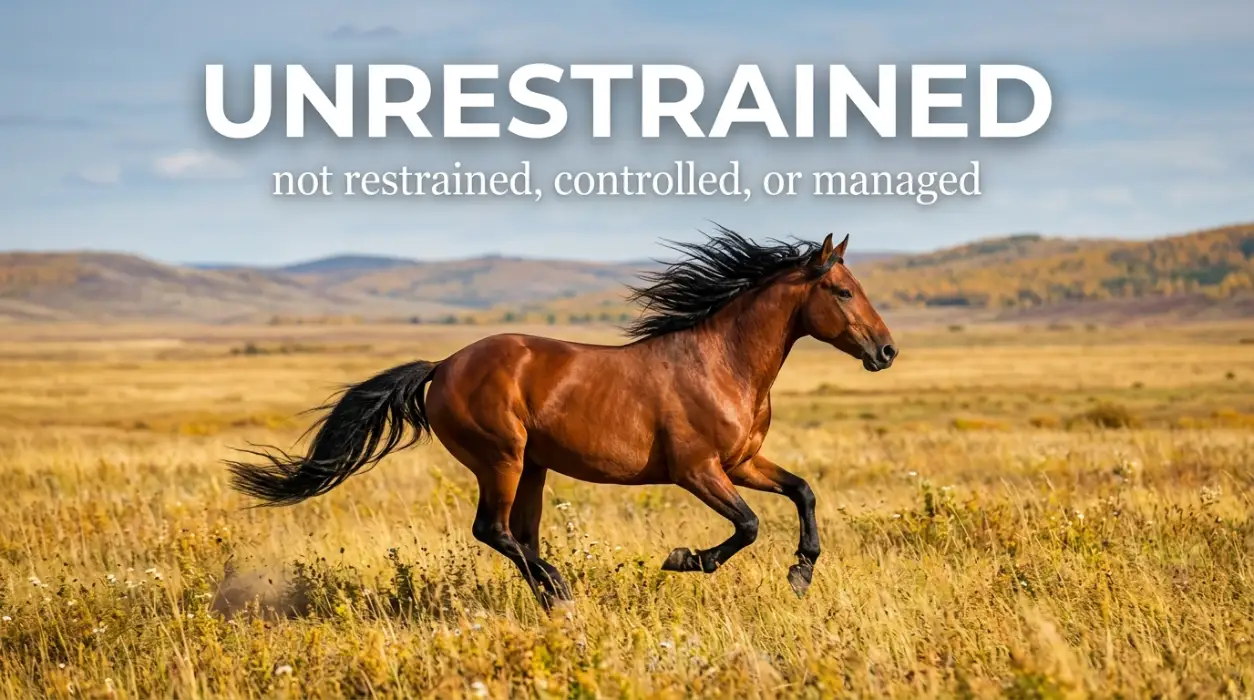
Unrestrained (Adjective) — US: /ˌʌnrɪˈstreɪnd/ — UK: /ˌʌnrɪˈstreɪnd/
- Meaning: Not kept under control; uncontrolled.
- Tone/Register: Formal, descriptive.
- Example: Cheers erupted with unrestrained joy at the stadium.
- Example: Wildfires spread through the forest with unrestrained fury.
Unchecked (Adjective) — US: /ʌnˈtʃɛkt/ — UK: /ʌnˈtʃekt/
- Meaning: Not controlled or restrained.
- Tone/Register: Formal, standard.
- Example: Unchecked inflation damaged household savings significantly.
- Example: Environmental decay grew worse due to unchecked pollution.
Unbridled (Adjective) — US: /ʌnˈbraɪdəlrd/ — UK: /ʌnˈbraɪdld/
- Meaning: Uncontrolled; unconstrained.
- Tone/Register: Literary, emotive.
- Example: Investors showed unbridled enthusiasm for the new startup.
- Example: Horses galloped across pastures with unbridled energy.
Uncontrolled (Adjective) — US: /ˌʌnkənˈtroʊld/ — UK: /ˌʌnkənˈtrəʊld/
- Meaning: Not restrained or managed.
- Tone/Register: Common, standard.
- Example: Firefighters battled uncontrolled blazes in brush country.
- Example: Laughter erupted in an uncontrolled wave across the room.
Ungoverned (Adjective) — US: /ʌnˈɡʌvərnd/ — UK: /ʌnˈɡʌvənd/
- Meaning: Not regulated or controlled.
- Tone/Register: Formal, literary.
- Example: Border territories remained lawless and largely ungoverned.
- Example: He struggled to manage ungoverned emotional outbursts.
Unruly (Adjective) — US: /ʌnˈruːli/ — UK: /ʌnˈruːli/
- Meaning: Disorderly and disruptive and not amenable to discipline.
- Tone/Register: Common, descriptive.
- Example: Teachers struggled to quiet the unruly classroom of students.
- Example: Security escorted unruly fans out of the arena.
Wild (Adjective) — US: /waɪld/ — UK: /waɪld/
- Meaning: Living or growing in its natural state; uncontrolled.
- Tone/Register: Common, casual.
- Example: Deer grazed peacefully among wild mountain flowers.
- Example: Teens threw a wild party while parents were away.
Dissolute (Adjective) — US: /ˈdɪsəluːt/ — UK: /ˈdɪsəluːt/
- Meaning: Lax in morals; licentious.
- Tone/Register: Formal, archaic.
- Example: Historical novels depicted the dissolute habits of nobility.
- Example: Critics condemned his dissolute lifestyle in the city.
Licentious (Adjective) — US: /laɪˈsɛnʃəs/ — UK: /laɪˈsenʃəs/
- Meaning: Promiscuous and unprincipled in sexual matters.
- Tone/Register: Formal, literary.
- Example: Church elders condemned the licentious behavior of travelers.
- Example: Plays from that era frequently mocked licentious aristocrats.
Debauched (Adjective) — US: /dɪˈbɔːtʃt/ — UK: /dɪˈbɔːtʃt/
- Meaning: Indulged in or characterized by hedonistic pursuits.
- Tone/Register: Literary, formal.
- Example: Writers described the debauched nightlife of the capital.
- Example: He regretted his debauched youth spent wasting money.
Abandoned (Adjective) — US: /əˈbændənd/ — UK: /əˈbændənd/
- Meaning: Having been deserted or left; unrestrained.
- Tone/Register: Common, expressive.
- Example: Dancers moved with abandoned freedom on stage.
- Example: The old factory stood abandoned near the railway tracks.
Dissipated (Adjective) — US: /ˈdɪsɪpeɪtɪd/ — UK: /ˈdɪsɪpeɪtɪd/
- Meaning: Overindulging in hedonistic pleasures.
- Tone/Register: Formal, literary.
- Example: His dissipated appearance shocked old college friends.
- Example: Wealth faded quickly due to dissipated living habits.
Profligate (Adjective) — US: /ˈprɒflɪɡət/ — UK: /ˈprɒflɪɡət/
- Meaning: Recklessly extravagant or wasteful in the use of resources.
- Tone/Register: Formal, academic.
- Example: Economists criticized the profligate spending of public funds.
- Example: Fables warned against profligate habits leading to poverty.
Improvident (Adjective) — US: /ɪmˈprɒvɪdənt/ — UK: /ɪmˈprɒvɪdənt/
- Meaning: Not providng for future needs; heedless.
- Tone/Register: Formal, literary.
- Example: Improvident households struggled when winter bills arrived.
- Example: The government condemned improvident budget planning.
Extravagant (Adjective) — US: /ɪkˈstrævəɡənt/ — UK: /ɪkˈstrævəɡənt/
- Meaning: Lacking restraint in spending money or resources.
- Tone/Register: Common, standard.
- Example: Guests marveled at the extravagant wedding reception decorations.
- Example: Avoid extravagant purchases when saving for a house.
Wasteful (Adjective) — US: /ˈweɪstfəl/ — UK: /ˈweɪstfl/
- Meaning: Using or spending something of value carelessly or to no purpose.
- Tone/Register: Common, practical.
- Example: Leaving lights on all day is wasteful and expensive.
- Example: Restaurants adopted policies to reduce wasteful food disposal.
Careless (Adjective) — US: /ˈkɛrləs/ — UK: /ˈkeələs/
- Meaning: Not giving sufficient attention or thought to avoiding harm or errors.
- Tone/Register: Common, everyday.
- Example: A careless mistake on the tax form caused delays.
- Example: Drivers must avoid careless habits near school zones.
Negligent (Adjective) — US: /ˈnɛɡlɪdʒənt/ — UK: /ˈneɡlɪdʒənt/
- Meaning: Failing to take proper care in doing something.
- Tone/Register: Legal, formal.
- Example: The landlord was found negligent regarding roof repairs.
- Example: Doctors faced lawsuits for negligent patient care.
Reckless (Adjective variant) — US: /ˈrɛkləs/ — UK: /ˈrekləs/
- Meaning: Marked by lack of proper caution or careless disregard for consequences.
- Tone/Register: Common, legal.
- Example: The motorist received a heavy fine for reckless driving.
- Example: Officials warned hikers against reckless climbs in freezing weather.
Malicious (Adjective variant) — US: /məˈlɪʃəs/ — UK: /məˈlɪʃəs/
- Meaning: Given to, marked by, or arising from malice.
- Tone/Register: Formal, legal.
- Example: Investigators discovered malicious software planted on company servers.
- Example: The defendant denied making malicious statements to the press.
Senseless (Adjective variant) — US: /ˈsɛnsləs/ — UK: /ˈsensləs/
- Meaning: Lacking meaning, reason, or common sense.
- Tone/Register: Common, emotional.
- Example: Community members protested the senseless closure of the library.
- Example: Police labeled the street fight completely senseless.
Unprovoked (Adjective variant) — US: /ˌʌnprəˈvoʊkt/ — UK: /ˌʌnprəˈvəʊkt/
- Meaning: Occurring without any provocation or justification.
- Tone/Register: Formal, legal.
- Example: The referee penalized the player for an unprovoked foul.
- Example: Security cameras recorded an unprovoked act of vandalism.
Gratuitous (Adjective variant) — US: /ɡrəˈtuːɪtəs/ — UK: /ɡrəˈtjuːɪtəs/
- Meaning: Not called for by the circumstances; unwarranted.
- Tone/Register: Formal, literary.
- Example: Viewers criticized the show for including gratuitous drama.
- Example: The critic dismissed the remarks as gratuitous insults.
Arbitrary (Adjective variant) — US: /ˈɑːrbɪtrɛri/ — UK: /ˈɑːbɪtrəri/
- Meaning: Existing or coming about seemingly at random or by chance.
- Tone/Register: Formal, academic.
- Example: Staff complained about arbitrary scheduling changes made by HR.
- Example: The selection process felt entirely arbitrary to applicants.
Capricious (Adjective variant) — US: /kəˈprɪʃəs/ — UK: /kəˈprɪʃəs/
- Meaning: Driven by sudden changes in mood or mind.
- Tone/Register: Literary, formal.
- Example: Farmers worried about the capricious spring weather patterns.
- Example: The manager’s capricious demands frustrated the team.
Fickle (Adjective variant) — US: /ˈfɪkəl/ — UK: /ˈfɪkl/
- Meaning: Marked by lack of steadfastness, constancy, or stability.
- Tone/Register: Common, literary.
- Example: Investors pulled out due to fickle market conditions.
- Example: The public proved fickle regarding new fashion trends.
Unrestrained (Adjective variant) — US: /ˌʌnrɪˈstreɪnd/ — UK: /ˌʌnrɪˈstreɪnd/
- Meaning: Not restrained or controlled.
- Tone/Register: Formal, descriptive.
- Example: Laughter echoed with unrestrained joy in the courtyard.
- Example: Economic growth continued with unrestrained momentum.
Unchecked (Adjective variant) — US: /ʌnˈtʃɛkt/ — UK: /ʌnˈtʃekt/
- Meaning: Not restrained or held in check.
- Tone/Register: Formal, standard.
- Example: Unchecked urban sprawl damaged local wetland habitats.
- Example: Experts warned that unchecked rumors could cause panic.
Unbridled (Adjective variant) — US: /ʌnˈbraɪdəlrd/ — UK: /ʌnˈbraɪdld/
- Meaning: Being without constraint or check.
- Tone/Register: Literary, emotive.
- Example: Fans displayed unbridled excitement after the championship win.
- Example: The entrepreneur pursued success with unbridled ambition.
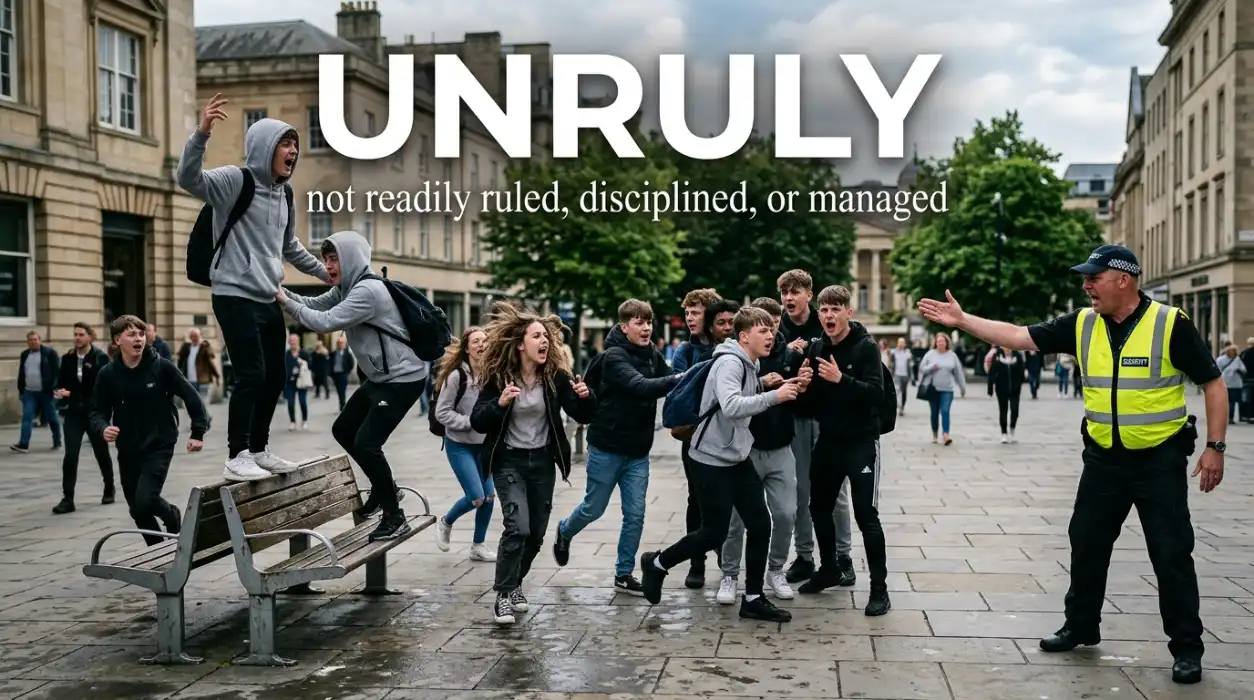
Unruly (Adjective variant) — US: /ʌnˈruːli/ — UK: /ʌnˈruːli/
- Meaning: Not readily ruled, disciplined, or managed.
- Tone/Register: Common, descriptive.
- Example: Ushers struggled to seat the unruly group of teenagers.
- Example: Gardeners pruned back unruly rose bushes.
Dissolute (Adjective variant) — US: /ˈdɪsəluːt/ — UK: /ˈdɪsəluːt/
- Meaning: Marked by indulgence in vicious pleasures.
- Tone/Register: Formal, archaic.
- Example: The biography detailed the dissolute lifestyle of the aristocrat.
- Example: Historical records condemned the dissolute court members.
Licentious (Adjective variant) — US: /laɪˈsɛnʃəs/ — UK: /laɪˈsenʃəs/
- Meaning: Lacking legal or moral restraints.
- Tone/Register: Formal, literary.
- Example: Pamphlets attacked the licentious practices of local officials.
- Example: The novel explored the consequences of licentious behavior.
Profligate (Adjective variant) — US: /ˈprɒflɪɡət/ — UK: /ˈprɒflɪɡət/
- Meaning: Wildly extravagant or lavish.
- Tone/Register: Formal, academic.
- Example: Auditors investigated profligate spending by municipal leaders.
- Example: The family suffered bankruptcy due to profligate habits.
Improvident (Adjective variant) — US: /ɪmˈprɒvɪdənt/ — UK: /ɪmˈprɒvɪdənt/
- Meaning: Not foreseeing and providing for the future.
- Tone/Register: Formal, literary.
- Example: Critics blamed improvident policies for the budget crisis.
- Example: Ant stories warned against improvident summer laziness.
Extravagant (Adjective variant) — US: /ɪkˈstrævəɡənt/ — UK: /ɪkˈstrævəɡənt/
- Meaning: Exceeding what is reasonable or appropriate.
- Tone/Register: Common, standard.
- Example: The film featured extravagant set designs and costumes.
- Example: Avoid extravagant claims in product marketing copy.
Wasteful (Adjective variant) — US: /ˈweɪstfəl/ — UK: /ˈweɪstfl/
- Meaning: Marked by or causing waste.
- Tone/Register: Common, practical.
- Example: Environmentalists criticized wasteful packaging materials.
- Example: The office implemented rules to cut wasteful printing.
Careless (Adjective variant) — US: /ˈkɛrləs/ — UK: /ˈkeələs/
- Meaning: Not taking ordinary or proper care.
- Tone/Register: Common, everyday.
- Example: A careless error on the blueprint caused construction delays.
- Example: He received warnings for careless handling of equipment.
Negligent (Adjective variant) — US: /ˈnɛɡlɪdʒənt/ — UK: /ˈneɡlɪdʒənt/
- Meaning: Marked by or given to neglect.
- Tone/Register: Legal, formal.
- Example: The company was held negligent in maintaining safety gear.
- Example: Property managers faced penalties for negligent upkeep.
Synonyms by Tone
Choosing the right alternative depends entirely on whether you want to sound legal, literary, or casual.
- Positive tone: Whimsical, abandoned, free-spirited, lively.
- Neutral tone: Reckless, careless, unrestrained, arbitrary.
- Negative tone: Malicious, gratuitous, profligate, negligent.
- Playful/informal tone: Wild, unruly, carefree.
Tone matters because calling a playful child’s imaginative artwork gratuitous sounds overly harsh, while describing a criminal arson attack as whimsical misses the severe legal gravity of the crime.
Mini Comparison: Wanton vs. Reckless vs. Malicious
- Wanton emphasizes deliberate, unprovoked action done with complete disregard for morality or safety.
- Reckless highlights dangerous carelessness where consequences are ignored rather than desired.
- Malicious focuses specifically on active intent to cause harm or injury to others.
Use wanton for unprovoked malicious destruction, reckless for dangerous negligence, and malicious for targeted harm.
Context-Based Usage
- Daily conversation: In casual talk, native speakers use friendly words like reckless, wild, or careless.
- Writing or blogging: Authors use evocative terms like gratuitous, unbridled, or capricious to build rich prose.
- Professional or academic tone: Specialists rely on precise terms like negligent, profligate, or arbitrary.
- Creative or informal use: Bloggers employ vivid terms like unrestrained or whimsical to describe energy.
Common Mistakes & Native Usage
Common Mistakes Learners Make
- Misuse scenarios: Applying positive creative words like whimsical to describe destructive criminal vandalism.
- Confusing tone: Mixing formal legal words like negligent into lighthearted chats about weekend hobbies.
- Overuse warnings: Repeating the same reckless adjective throughout an essay makes your vocabulary feel repetitive rather than rich.
Register Notes
- Spoken chats favor direct words like careless and wild.
- Written essays reward descriptive choices like wanton, gratuitous, and profligate.
Real-Life Mini Scenarios
- Workplace: Legal auditors reviewed files detailing negligent corporate spending habits.
- Social situations: Campers scolded friends for reckless bonfire management near brush.
- Media/pop culture: Film critics condemned gratuitous action scenes in blockbusters.
- Writing or storytelling: Authors revised book manuscripts, replacing basic nouns with wanton for literary depth.

Conclusion
In conclusion, understanding the meaning and usage of wanton can help you choose the right word for different contexts. Its meaning may vary depending on whether it describes reckless behavior, excessive actions, or immoral conduct.
Learning the synonyms of wanton can also improve your vocabulary and make your writing more precise. Words such as reckless, unrestrained, careless, wild, and indiscriminate can be suitable alternatives depending on the sentence and intended meaning.
Overall, wanton is a versatile word with several meanings and synonyms. By understanding its definition, related words, and examples, you can use wanton more confidently and effectively in everyday and formal writing.
Interactive Practice Quiz
- Which adjective best describes unprovoked, malicious destruction of property?
- A) Wanton
- B) Gentle
- C) Peaceful
- D) Quiet
- What emotional tone does the positive creative term whimsical typically carry?
- A) Playfully quaint and charming
- B) Angry and destructive
- C) Cold and formal
- D) Bitter and sad
- Which term is ideal for describing dangerous negligence where consequences are ignored?
- A) Reckless
- B) Cautious
- C) Safe
- D) Secure
- If legal teams investigate a crime intended to cause deliberate harm, they cite behavior that is:
- A) Malicious
- B) Accidental
- C) Fortunate
- D) Lucky
- The refined formal term for recklessly wasteful spending of resources is:
- A) Profligate
- B) Empty
- C) Plain
- D) Clear
- What part of speech category do words like wanton and reckless belong to?
- A) Adjectives
- B) Verbs only
- C) Nouns only
- D) Conjunctions only
- Which expression is a common casual word for acting without discipline?
- A) Unruly
- B) Frozen
- C) Solid
- D) Polished
- Describing a sudden, unpredictable shift in wind or mood uses the term:
- A) Capricious
- B) Blind
- C) Deaf
- D) Mute
- The formal legal term for failing to take proper care is:
- A) Negligent
- B) Dry
- C) Empty
- D) Blank
- Which word describes uncalled-for violence in movies?
- A) Gratuitous
- B) Absent
- C) Idle
- D) Dormant
Reflection Task
Write one short, original sentence using the word wanton to describe unprovoked environmental damage.
Answer Key: 1: A | 2: A | 3: A | 4: A | 5: A | 6: A | 7: A | 8: A | 9: A | 10: A
Conclusion
In conclusion, understanding the meaning and usage of wanton can help you choose the right word for different contexts. Its meaning may vary depending on whether it describes reckless behavior, excessive actions, or immoral conduct.
Learning the synonyms of wanton can also improve your vocabulary and make your writing more precise. Words such as reckless, unrestrained, careless, wild, and indiscriminate can be suitable alternatives depending on the sentence and intended meaning.
Overall, wanton is a versatile word with several meanings and synonyms. By understanding its definition, related words, and examples, you can use wanton more confidently and effectively in everyday and formal writing.
FAQs
1. What does “wanton” mean?
“Wanton” generally means reckless, uncontrolled, or excessive. It can also describe immoral or sexually inappropriate behavior, depending on the context.
2. What are the synonyms of “wanton”?
Common synonyms include reckless, unrestrained, careless, wild, indiscriminate, excessive, and immoral.
3. Is “wanton” a positive or negative word?
“Wanton” is usually used negatively, especially when describing reckless, excessive, destructive, or immoral behavior.
4. How do you use “wanton” in a sentence?
Example: “The soldiers were accused of wanton destruction of the village.”
5. What is the opposite of “wanton”?
Depending on the context, opposites of “wanton” include controlled, restrained, careful, disciplined, and moderate.

Hasnain Ali is an SEO Content Strategist and the founder of wordvora.com, a trusted vocabulary platform that helps writers, students, professionals, and English learners find accurate synonyms, antonyms, word meanings, and real-life usage examples. He specializes in keyword research, on-page SEO, topical authority, and creating search-first content that aligns with Google’s latest Search Quality and E-E-A-T guidelines. His work focuses on producing clear, well-structured, and reader-friendly resources that satisfy search intent while maintaining high editorial standards.
Through extensive hands-on experience with SEO tools such as Google Search Console, Google Analytics, SEMrush, and Ahrefs, Hasnain researches user search behavior and develops content that is both informative and easy to understand. Every article published on wordvora.com is carefully reviewed for accuracy, readability, and contextual relevance before publication. His mission is to build one of the web’s most reliable English vocabulary resources by providing practical language guidance, trustworthy explanations, and content that helps readers improve their writing, communication, and vocabulary with confidence.