
Finding the right words can make your writing more descriptive and engaging. If you are searching for synonyms for dome, learning related terms can help you describe rounded roofs, curved structures, and architectural features more precisely.
The word “dome” is commonly used in architecture, construction, geography, and everyday descriptions. Depending on the context, alternatives such as cupola, vault, canopy, hemisphere, and rounded roof may provide a more specific meaning.
Exploring synonyms for dome can be especially helpful for students, writers, bloggers, and English learners. Understanding the differences between these words allows you to select the most suitable term for essays, stories, articles, and conversations.
In this guide, we will explore useful synonyms for dome with clear meanings and examples. By learning these alternatives, you can expand your vocabulary, avoid repetition, and make your writing more accurate and expressive.
What Does “Dome” Really Mean?
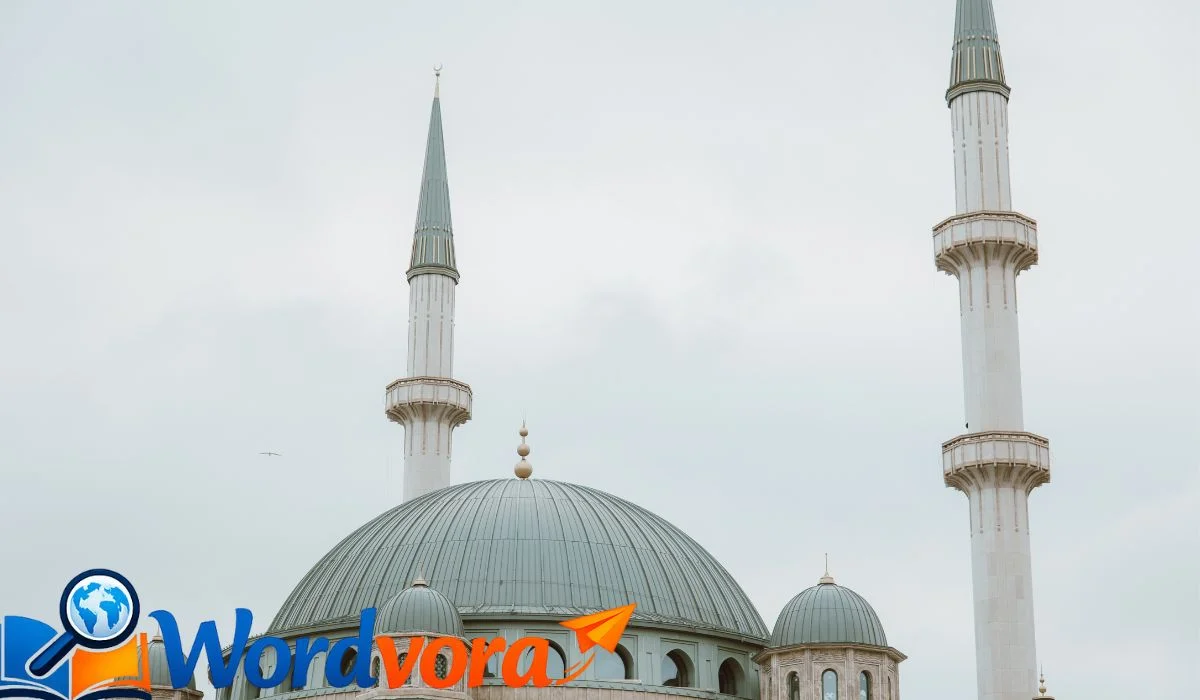
A dome is a rounded vault forming the roof of a building or structure, typically with a circular base. It means a hemispherical structural element designed to span an open space.
Native speakers use this word when talking about grand historical monuments, modern sports stadiums, or geological formations. It carries a majestic, grand, or technical emotional tone. It usually suggests strength, symmetry, and architectural ambition.
Connotative Meaning
- Positive tone: Associated with grandeur, engineering excellence, majesty, and iconic architecture.
- Negative tone: N/A (this term rarely carries negative associations).
- Neutral tone: Used in geometry or meteorology to describe rounded shapes and weather patterns.
- Connotation definition: (The emotional or cultural feeling attached to a word beyond its strict dictionary definition).
Etymology
- Source Language: Italian (duomo, meaning cathedral) and Latin (domus, meaning house).
- Original Meaning: A house of God or a majestic cathedral building, which later shifted to describe the vaulted roof itself.
- Old English (450–1100): Not used in its modern architectural sense; native Germanic words described simple thatched roofs.
- Middle English (1100–1500): The Italian term entered European architectural discussions alongside Renaissance design concepts.
- Modern English (1500–Present): Shifted entirely in English to mean a rounded architectural roof vault by the 17th century.
Pronunciation (US & UK – IPA)
- US: /doʊm/
- UK: /dəʊm/
Syllables & Affixation Pattern
- Syllables: dome
- Root: domus (house)
- Prefix: None
- Suffix: None
Synonyms List
Cupola (Noun) — US: /ˈkyupələ/ — UK: /ˈkjuːpələ/
- Meaning: A small, dome-shaped structure on top of a roof or larger dome.
- Tone/Register: Architectural, formal.
- Example: The historic town hall features a charming glass cupola.
- Example: Pigeons nested near the decorative copper cupola on the barn.
Vault (Noun) — US: /vɔlt/ — UK: /vɔːlt/
- Meaning: An arched roof or ceiling made of stone, brick, or concrete.
- Tone/Register: Architectural, formal.
- Example: The ancient cathedral boasted a magnificent stone vaulted ceiling.
- Example: Echoes bounced off the deep stone vault of the crypt.
Arch (Noun) — US: /ɑrtʃ/ — UK: /ɑːtʃ/
- Meaning: A curved symmetrical structure spanning an opening and supporting weight.
- Tone/Register: Standard, architectural.
- Example: Tourists walked beneath the grand stone triumphal arch.
- Example: The brick arch supported the heavy weight of the wall above.
Canopy (Noun) — US: /ˈkænəpi/ — UK: /ˈkænəpi/
- Meaning: An ornamental cloth covering or a natural overhead shelter of branches.
- Tone/Register: Descriptive, literary.
- Example: Sunlight filtered through the dense green forest canopy.
- Example: A silk canopy hung above the royal resting bed.
Hemisphere (Noun) — US: /ˈhɛməsˌfɪr/ — UK: /ˈhɛmɪsˌfɪə/
- Meaning: Half of a sphere, or a round geometrical object shaped like a half-ball.
- Tone/Register: Scientific, mathematical, formal.
- Example: The planetarium featured a giant projection screen shaped like a hemisphere.
- Example: Architects cut the metal frame into an exact geometric hemisphere.
Rotunda (Noun) — US: /roʊˈtʌndə/ — UK: /rəʊˈtʌndə/
- Meaning: A round building or room, typically topped with a large dome.
- Tone/Register: Architectural, formal.
- Example: Visitors gathered inside the sunlit Capitol rotunda to listen to the tour guide.
- Example: Paintings of former presidents lined the walls of the grand rotunda.
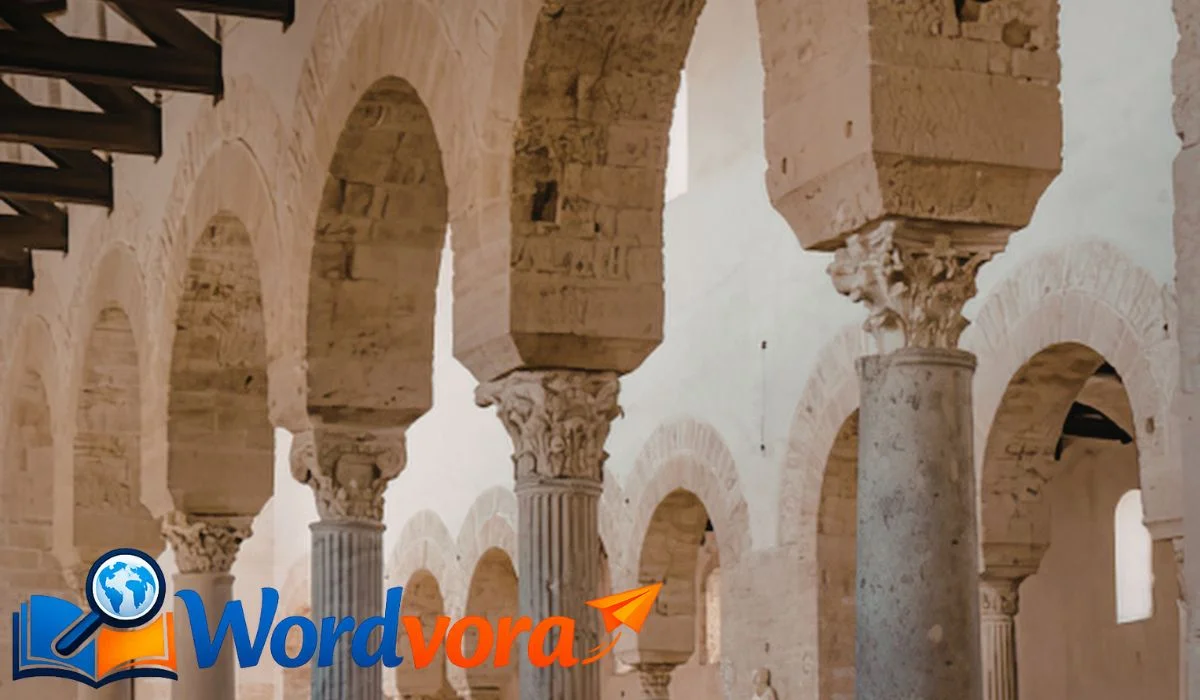
Archway (Noun) — US: /ˈɑrtʃˌweɪ/ — UK: /ˈɑːtʃˌweɪ/
- Meaning: A curved passage or entrance spanned by an arch.
- Tone/Register: Descriptive, standard.
- Example: They walked through the stone archway into the hidden garden.
- Example: Ivy climbed up the sides of the old brick entrance archway.
Casing (Noun) — US: /ˈkeɪsɪŋ/ — UK: /ˈkeɪsɪŋ/
- Meaning: A protective covering or shell enclosing a structure or mechanism.
- Tone/Register: Technical, industrial.
- Example: Workers installed a protective glass casing over the museum artifact.
- Example: The metal casing protected the electronics from harsh weather.
Roof (Noun) — US: /ruf/ — UK: /ruːf/
- Meaning: The structure forming the upper covering of a building.
- Tone/Register: Everyday, standard.
- Example: Heavy winter snow accumulated on the steep shingled roof.
- Example: Workers repaired a leak in the farmhouse roof.
Crown (Noun) — US: /kraʊn/ — UK: /kraʊn/
- Meaning: The top or highest part of something, such as a hill or structure.
- Tone/Register: Literary, descriptive.
- Example: A snowy cloud rested upon the mountain crown.
- Example: The golden crown of the skyscraper gleamed in the sunset.
Apex (Noun) — US: /ˈeɪpɛks/ — UK: /ˈeɪpɛks/
- Meaning: The highest point or tip of something pointed or curved.
- Tone/Register: Academic, formal.
- Example: The architectural team reached the apex of the tower construction.
- Example: Sunlight hit the apex of the glass pavilion first.
Summit (Noun) — US: /ˈsʌmɪt/ — UK: /ˈsʌmɪt/
- Meaning: The highest point of a hill or mountain.
- Tone/Register: Standard, geographical.
- Example: Climbers reached the windy mountain summit by noon.
- Example: A small weather station stood at the summit.
Peak (Noun) — US: /pik/ — UK: /piːk/
- Meaning: The pointed top of a mountain or a high architectural point.
- Tone/Register: Standard, descriptive.
- Example: Snow covered the sharp peak of the distant mountain.
- Example: The roof featured a dramatic central architectural peak.
Vaulting (Noun) — US: /ˈvɔltɪŋ/ — UK: /ˈvɔːltɪŋ/
- Meaning: An arched roof construction style used in large stone buildings.
- Tone/Register: Architectural, formal.
- Example: Medieval stone masons perfected the art of ribbed vaulting.
- Example: The intricate plaster vaulting decorated the grand ballroom ceiling.
Semi-sphere (Noun) — US: /ˈsɛmiˌsfɪr/ — UK: /ˈsɛmiˌsfɪə/
- Meaning: A half-sphere shape matching the geometry of a standard dome.
- Tone/Register: Technical, scientific.
- Example: Engineers built a sturdy hemisphere shell for the radar station.
- Example: The sculpture was cast as a hollow bronze hemisphere.
Canopy Roof (Noun) — US: /ˈkænəpi ruf/ — UK: /ˈkænəpi ruːf/
- Meaning: An overhead protective structure shielding an outdoor space.
- Tone/Register: Architectural, practical.
- Example: The modern train station featured a sweeping steel canopy roof.
- Example: Passengers waited under the protective canopy roof during the storm.
Span (Noun) — US: /spæn/ — UK: /spæn/
- Meaning: The full extent of something from side to side, including an arch or roof.
- Tone/Register: Engineering, technical.
- Example: The bridge featured an impressive structural span across the river.
- Example: Engineers calculated the load capacity for the wide roof span.
Shell (Noun) — US: /ʃɛl/ — UK: /ʃɛl/
- Meaning: A hollow structural outer layer protecting an interior space.
- Tone/Register: Architectural, technical.
- Example: The thin concrete shell formed the curved roof of the auditorium.
- Example: Workers poured concrete over the reinforcing mesh shell.
Archwork (Noun) — US: /ˈɑrtʃˌwɜrk/ — UK: /ˈɑːtʃˌwɜːk/
- Meaning: Structure consisting of arches supporting a ceiling or roof.
- Tone/Register: Architectural, historical.
- Example: The ancient bridge featured intricate stone archwork.
- Example: Restoration experts repaired the crumbling brick archwork.
Confection (Noun) — US: /kənˈfɛkʃən/ — UK: /kənˈfɛkʃən/
- Meaning: An ornate building or structure designed to look decorative or sweet. (Contextual variant)
- Tone/Register: Literary, artistic.
- Example: The white palace looked like a sugary confection against the blue sky.
Canopy Ceiling (Noun) — US: /ˈkænəpi ˈsilɪŋ/ — UK: /ˈkænəpi ˈsiːlɪŋ/
- Meaning: An overhead decorative indoor ceiling surface.
- Tone/Register: Descriptive, interior design.
- Example: The hotel lobby featured a breathtaking glass canopy ceiling.
- Example: Stained glass panels formed a colorful canopy ceiling above.
Dome Light (Noun) — US: /doʊm laɪt/ — UK: /ˈdəʊm laɪt/
- Meaning: A rounded interior ceiling lamp fixture in a vehicle or room.
- Tone/Register: Practical, everyday.
- Example: She switched on the car dome light to read her map.
- Example: The mechanic replaced the broken bulb in the cabin dome light.
Canopy Tent (Noun) — US: /ˈkænəpi tɛnt/ — UK: /ˈkænəpi tɛnt/
- Meaning: A pavilion or tent with a protective overhead fabric roof.
- Tone/Register: Casual, practical.
- Example: Vendors set up white canopy tents at the weekend farmers’ market.
- Example: Guests gathered under a large outdoor canopy tent during the reception.
Sky Roof (Noun) — US: /skaɪ ruf/ — UK: /skaɪ ruːf/
- Meaning: A transparent glass ceiling or skylight structure.
- Tone/Register: Modern, architectural.
- Example: The modern gallery featured a sweeping glass sky roof.
- Example: Natural daylight flooded the atrium through the clear sky roof.
Pavilion (Noun) — US: /pəˈvɪlyən/ — UK: /pəˈvɪliən/
- Meaning: A decorative building used for entertainment or shelter in a park.
- Tone/Register: Architectural, descriptive.
- Example: Families gathered for a picnic near the park pavilion.
- Example: The grand garden pavilion featured an elegant curved roof.
Cupola (Noun) — US: /ˈkyupələ/ — UK: /ˈkjuːpələ/
- Meaning: A small dome-shaped structure crowning a roof or turret.
- Tone/Register: Architectural, formal.
- Example: The old academy building featured a weathered copper cupola.
- Example: Workers restored the decorative glass cupola during the historic renovation.
Vaulting (Noun) — US: /ˈvɔltɪŋ/ — UK: /ˈvɔːltɪŋ/
- Meaning: An arched stone or brick ceiling construction style.
- Tone/Register: Architectural, academic.
- Example: Master masons repaired the medieval stone vaulting in the cathedral nave.
- Example: The intricate ribbed vaulting supported the heavy upper structure.
Hemisphere (Noun) — US: /ˈhɛməsˌfɪr/ — UK: /ˈhɛmɪsˌfɪə/
- Meaning: Half of a sphere matching the exact geometry of a standard dome.
- Tone/Register: Scientific, mathematical.
- Example: The planetarium screen was cast as an exact structural hemisphere.
- Example: Engineers calculated the stress limits across the metal hemisphere.
Geodesic Dome (Noun) — US: /ˌdʒiəˈdɛsɪk doʊm/ — UK: /ˌdʒiːəʊˈdɛsɪk dəʊm/
- Meaning: A hemispherical thin-shell structure formed of a lightweight lattice network of triangles.
- Tone/Register: Architectural, technical.
- Example: Scientists used a portable geodesic dome as a temporary research station.
- Example: The greenhouse was built using a sturdy glass and aluminum geodesic dome.
Onion Dome (Noun) — US: /ˈʌnyən doʊm/ — UK: /ˈʌnjən dəʊm/
- Meaning: An architectural dome that bulges outward past its base in an onion shape.
- Tone/Register: Cultural, architectural, descriptive.
- Example: The historic church featured a striking gold-plated onion dome.
- Example: Traditional Eastern European architecture often showcases colorful onion domes.
Canopy (Noun) — US: /ˈkænəpi/ — UK: /ˈkænəpi/
- Meaning: An overhead shelter or curved covering providing shade and protection.
- Tone/Register: Standard, descriptive.
- Example: Sunlight filtered gently through the leafy forest canopy above.
- Example: A white fabric canopy sheltered outdoor diners from the midday sun.
Arch (Noun) — US: /ɑrtʃ/ — UK: /ɑːtʃ/
- Meaning: A curved structural member spanning an opening to support weight.
- Tone/Register: Standard, technical.
- Example: Tourists posed for photographs beneath the grand stone arch.
- Example: The structural engineer inspected the stress fractures in the bridge arch.
Rotunda (Noun) — US: /roʊˈtʌndə/ — UK: /rəʊˈtʌndə/
- Meaning: A round hall or building topped by a majestic dome.
- Tone/Register: Formal, architectural.
- Example: Citizens gathered under the soaring marble rotunda for the ceremony.
- Example: Historic portraits hung along the curved walls of the capitol rotunda.
Archway (Noun) — US: /ˈɑrtʃˌweɪ/ — UK: /ˈɑːtʃˌweɪ/
- Meaning: A curved passage or entranceway formed by an arch.
- Tone/Register: Descriptive, everyday.
- Example: They walked through the ivy-covered stone archway into the courtyard.
- Example: A heavy wooden door stood open beneath the brick archway.
Pavilion (Noun) — US: /pəˈvɪlyən/ — UK: /pəˈvɪliən/
- Meaning: A decorative open building or structure used for shelter or exhibitions.
- Tone/Register: Architectural, recreational.
- Example: Families gathered for a weekend picnic near the park pavilion.
- Example: The exhibition featured an open-air glass pavilion with a curved roof.
Crown (Noun) — US: /kraʊn/ — UK: /kraʊn/
- Meaning: The topmost part or summit of a structure, hill, or feature.
- Tone/Register: Literary, descriptive.
- Example: A light dusting of snow covered the mountain crown.
- Example: The architectural crown of the tower gleamed in the sunlight.
Apex (Noun) — US: /ˈeɪpɛks/ — UK: /ˈeɪpɛks/
- Meaning: The highest point or vertex of a curved or pointed structure.
- Tone/Register: Academic, technical.
- Example: Construction crews reached the apex of the monumental roof frame.
- Example: Light caught the glass apex of the modern museum structure.
Summit (Noun) — US: /ˈsʌmɪt/ — UK: /ˈsʌmɪt/
- Meaning: The highest peak or top point of a geographic formation.
- Tone/Register: Standard, geographical.
- Example: Climbers planted a small flag at the windy mountain summit.
- Example: A weather monitoring post stood at the rugged summit.
Peak (Noun) — US: /pik/ — UK: /piːk/
- Meaning: The pointed end or top section of a roof or mountain.
- Tone/Register: Standard, descriptive.
- Example: Heavy winter frost gathered on the steep roof peak.
- Example: The hikers admired the sharp snow-covered peak in the distance.
Shell (Noun) — US: /ʃɛl/ — UK: /ʃɛl/
- Meaning: A thin, self-supporting curved concrete or metal structural layer.
- Tone/Register: Engineering, architectural.
- Example: The auditorium featured a thin reinforced concrete shell roof.
- Example: Engineers calculated load distribution across the curved structural shell.
Span (Noun) — US: /spæn/ — UK: /spæn/
- Meaning: The full distance or arc covered by an arch or roof structure.
- Tone/Register: Technical, engineering.
- Example: The bridge featured an impressive structural span across the canyon.
- Example: Workers measured the maximum load capacity for the roof span.
Vault (Noun) — US: /vɔlt/ — UK: /vɔːlt/
- Meaning: An arched masonry ceiling or roof structure spanning an area.
- Tone/Register: Architectural, formal.
- Example: The old bank basement featured a heavily reinforced security vault.
- Example: Sound echoed softly through the stone vault of the chapel.
Casing (Noun) — US: /ˈkeɪsɪŋ/ — UK: /ˈkeɪsɪŋ/
- Meaning: A protective outer enclosure or housing for a mechanism.
- Tone/Register: Technical, industrial.
- Example: Technicians sealed the instrument inside a protective metal casing.
- Example: The outer dome casing prevented moisture from entering the sensor.
Semi-sphere (Noun) — US: /ˈsɛmiˌsfɪr/ — UK: /ˈsɛmiˌsfɪə/
- Meaning: A half-ball shape mirroring standard dome geometry.
- Tone/Register: Scientific, mathematical.
- Example: The artist cast the bronze sculpture as a hollow hemisphere.
- Example: Laboratory models were built inside a clear acrylic hemisphere.
Canopy Roof (Noun) — US: /ˈkænəpi ruf/ — UK: /ˈkænəpi ruːf/
- Meaning: An overhanging protective roof structure shielding an entrance.
- Tone/Register: Architectural, practical.
- Example: Passengers waited under the steel canopy roof during the downpour.
- Example: The hotel entrance featured a modern glass canopy roof.
Sky Roof (Noun) — US: /skaɪ ruf/ — UK: /skaɪ ruːf/
- Meaning: A transparent glass ceiling panel or overhead skylight system.
- Tone/Register: Modern, architectural.
- Example: Natural sunlight flooded the atrium through the clear sky roof.
- Example: Designers installed a retractable sky roof over the indoor pool.
Dome Light (Noun) — US: /doʊm laɪt/ — UK: /ˈdəʊm laɪt/
- Meaning: A rounded interior ceiling lamp fixture inside a vehicle or room.
- Tone/Register: Everyday, practical.
- Example: He switched on the car dome light to find his dropped keys.
- Example: The technician replaced the burnt-out bulb in the cabin dome light.
Canopy Tent (Noun) — US: /ˈkænəpi tɛnt/ — UK: /ˈkænəpi tɛnt/
- Meaning: A portable shelter featuring an open-sided fabric roof structure.
- Tone/Register: Casual, practical.
- Example: Vendors set up white canopy tents along the street market.
- Example: Guests gathered beneath a large rental canopy tent for the party.
Archwork (Noun) — US: /ˈɑrtʃˌwɜrk/ — UK: /ˈɑːtʃˌwɜːk/
- Meaning: Structural masonry consisting of supportive arches.
- Tone/Register: Historical, architectural.
- Example: Preservationists carefully cleaned the ancient stone archwork.
- Example: The bridge design relied heavily on reinforced brick archwork.
Confection (Noun) — US: /kənˈfɛkʃən/ — UK: /kənˈfɛkʃən/
- Meaning: An ornate, decorative building designed with whimsical curves. (Contextual variant)
- Tone/Register: Literary, artistic.
- Example: The white garden pavilion looked like a sugary confection in the fog.
Synonyms by Tone
Choosing the right synonym depends entirely on the tone you want to convey in your writing or speech.
- Positive tone: Rotunda, cupola, pavilion, crown.
- Neutral tone: Vault, hemisphere, shell, span.
- Negative tone: N/A (structural terms are objective).
- Playful / Informal tone: Roof, canopy.
Tone matters because using an everyday word like roof in a formal architectural essay sounds too simple, while using a specialized term like cupola for a flat house roof is inaccurate.
Mini Comparison: Dome vs. Cupola vs. Rotunda
- Dome describes any rounded, hemispherical roof vault spanning a structure.
- Cupola refers specifically to a small, decorative dome structure sitting on top of a larger roof or main dome.
- Rotunda describes an entire circular building or large indoor room crowned by a dome.
Use dome for the general curved roof shape, cupola for a small rooftop crown, and rotunda for a complete round room or building.
Context-Based Usage
- Daily conversation: In casual talk, native speakers say roof, ceiling, or round top when describing curved structures.
- Writing or blogging: Travel bloggers use terms like rotunda or cupola to make descriptions sound vivid and sophisticated.
- Professional or academic tone: Architects and historians rely on precise terms like vault, hemisphere, or structural shell.
- Creative or informal use: Fiction writers love words like canopy or crown to create evocative natural or fantasy settings.
Related Questions About Dome and Domed Structures
What Is Another Word for a Domed Roof?
A rounded roof, curved roof, or vaulted roof can describe a roof with a dome-like shape, depending on its design. In architectural contexts, dome is the most precise term when the roof forms a rounded or hemispherical structure. A vault is related but usually refers to an arched ceiling or roof extending along a space rather than a hemispherical form.
What Is a Dome-Like Structure Called?
A dome-like structure can be described as a hemisphere, cupola, curved shell, or rounded structure, depending on its size, shape, and purpose. A cupola is generally a smaller dome-like structure placed on top of a roof or larger building. A geodesic dome is another specific type formed from a network of interconnected triangles.
What Are the Different Names for Domes?
Domes can have different names based on their shape, construction, or architectural style. Common examples include geodesic dome, onion dome, cupola, hemispherical dome, ribbed dome, and vaulted dome. These terms are not always exact synonyms for dome; many describe particular types or variations of domed structures.
What Is Another Word for Domed?
When domed is used as an adjective, possible alternatives include rounded, curved, hemispherical, vaulted, or dome-shaped, depending on the context. For example, “a domed roof” can be described as a rounded roof or curved roof. However, these alternatives may describe a similar shape without having the same architectural meaning.
What Is a Synonym for Domed?
Useful synonyms or near-synonyms for domed include rounded, curved, hemispherical, vaulted, and dome-shaped. The best choice depends on whether you are describing the appearance, geometry, or architectural construction of an object. In formal architectural writing, domed is often more precise than a general word such as rounded.
How Is a Dome Similar to an Arch?
A dome and an arch are both curved structural forms that can span space and distribute loads. An arch usually spans an opening in two dimensions, while a dome extends the curved principle around an area to create a three-dimensional roof or enclosure. In simple terms, a dome can be understood as a three-dimensional structural form that shares important curved and load-distributing principles with an arch.
Is “Dome” Another Word for “Head”?
Yes, dome can sometimes be used informally as slang for a head, especially in phrases such as “use your dome.” However, this is a figurative or colloquial meaning and is different from the standard architectural meaning of dome. In architecture, a dome refers to a rounded roof or structural form.
What Does “Off the Dome” Mean?
“Off the dome” is an informal expression meaning spontaneously, without preparation, or from memory. For example, “I answered the question off the dome” means that the person answered immediately without preparing a response beforehand. This expression is unrelated to the architectural meaning of dome.
What Does “Islamisk Domare” Mean?
“Islamisk domare” is a Swedish phrase that refers to an Islamic judge or a judge associated with Islamic law, depending on the context. It is unrelated to the English architectural word dome. Therefore, it should not be treated as a synonym or related search query for dome.
Quick Guide to Choosing the Right Term
| If you mean… | Use… |
|---|---|
| A general rounded architectural roof | Dome |
| A small dome on top of a roof | Cupola |
| A circular room or building often topped by a dome | Rotunda |
| An arched ceiling or roof | Vault |
| Half of a sphere | Hemisphere |
| A thin curved structural layer | Shell |
| A dome-shaped roof | Rounded roof / curved roof |
| A specific triangular-lattice structure | Geodesic dome |
| A particular bulbous architectural style | Onion dome |
| “Dome” used informally to mean head | Head |
| “Off the dome” | Spontaneously / without preparation |
Common Mistakes & Native Usage
Common Mistakes Learners Make
- Misuse scenarios: Calling a flat apartment ceiling a dome. Domes require a rounded, curved geometry.
- Confusing tone: Using technical engineering words like structural shell in casual storytelling.
- Overuse warnings: Repeating the word dome in every sentence makes your descriptions sound repetitive.
Register Notes
- Spoken English favors general terms like roof or round ceiling.
- Written English rewards specialized nouns like rotunda and cupola.
Real-Life Mini Scenarios
- Workplace: The architectural firm drafted new blueprints featuring a glass cupola atop the museum roof.
- Social situations: Tourists met beneath the famous capitol rotunda before starting their guided city tour.
- Media/pop culture: The sci-fi movie featured a massive transparent dome protecting the futuristic city.
- Writing or storytelling: She looked up at the stone vaulted ceiling as soft choral music filled the cathedral.
Practice Exercise
1. Which synonym for dome best describes a small decorative dome on top of a roof?
- A) Rotunda
- B) Cupola
- C) Vault
- D) Span
2. What tone does the word rotunda carry in architectural writing?
- A) Informal
- B) Playful
- C) Formal/Architectural
- D) Negative
3. Which term is best suited for an entire circular room topped with a dome?
- A) Rotunda
- B) Cupola
- C) Shell
- D) Apex
4. If an ancient stone ceiling features a curved arched masonry design, what is it called?
- A) Vault
- B) Roof
- C) Tent
- D) Dome Light
5. What is the highest point of an architectural structure called?
- A) Span
- B) Apex
- C) Casing
- D) Cupola
6. Which word describes a protective outer concrete layer of a curved roof?
- A) Shell
- B) Canopy
- C) Pavilion
- D) Rotunda
7. What part of speech is the word dome?
- A) Verb
- B) Adjective
- C) Noun
- D) Adverb
8. Which synonym for dome works best when describing a leafy forest overhead?
- A) Rotunda
- B) Canopy
- C) Cupola
- D) Vault
9. The Latin root word domus originally means what?
- A) Round
- B) House
- C) High
- D) Stone
10. Which word describes a decorative garden building used for shelter?
- A) Pavilion
- B) Casing
- C) Span
- D) Shell
Reflection Task
Write one short, original sentence using the word cupola to describe an old historic building.
Answer Key: 1: B | 2: C | 3: A | 4: A | 5: B | 6: A | 7: C | 8: B | 9: B | 10: A
Conclusion
Understanding synonyms for dome can help you describe architectural structures, curved shapes, and rounded roofs with greater accuracy. Words such as cupola, rotunda, vault, canopy, and hemisphere offer different meanings depending on the context.
Using synonyms for dome in your writing can make your essays, articles, stories, and descriptions more varied and engaging. Choosing the right alternative helps you communicate specific ideas clearly while avoiding unnecessary repetition.
Keep practicing synonyms for dome with examples and sentences to strengthen your vocabulary. With regular practice, you can improve your writing skills and confidently choose the most suitable word for every context.
Frequently Asked Questions
What Are the Most Common Synonyms for Dome?
Common synonyms for dome include cupola, rotunda, vault, canopy, hemisphere, and rounded roof. The best choice depends on the context.
What Is a Simple Synonym for Dome?
Rounded roof is a simple alternative when describing a curved roof structure. In architecture, cupola can also be used for a smaller dome-like structure.
Is a Cupola the Same as a Dome?
Not exactly. A cupola is usually a small dome or structure placed on top of a roof or larger building. A dome can be much larger and form a major part of a building’s structure.
What Is a Formal Synonym for Dome?
Rotunda and vault are formal architectural terms, but they do not always mean the same thing as a dome. The appropriate word depends on the structure being described.
How Can Learning Synonyms for Dome Improve Vocabulary?
Learning synonyms for dome helps you avoid repetition and describe architectural shapes more precisely. Using terms such as cupola, vault, and rotunda can make your writing clearer and more descriptive.

Hasnain Ali is an SEO Content Strategist and the founder of wordvora.com, a trusted vocabulary platform that helps writers, students, professionals, and English learners find accurate synonyms, antonyms, word meanings, and real-life usage examples. He specializes in keyword research, on-page SEO, topical authority, and creating search-first content that aligns with Google’s latest Search Quality and E-E-A-T guidelines. His work focuses on producing clear, well-structured, and reader-friendly resources that satisfy search intent while maintaining high editorial standards.
Through extensive hands-on experience with SEO tools such as Google Search Console, Google Analytics, SEMrush, and Ahrefs, Hasnain researches user search behavior and develops content that is both informative and easy to understand. Every article published on wordvora.com is carefully reviewed for accuracy, readability, and contextual relevance before publication. His mission is to build one of the web’s most reliable English vocabulary resources by providing practical language guidance, trustworthy explanations, and content that helps readers improve their writing, communication, and vocabulary with confidence.