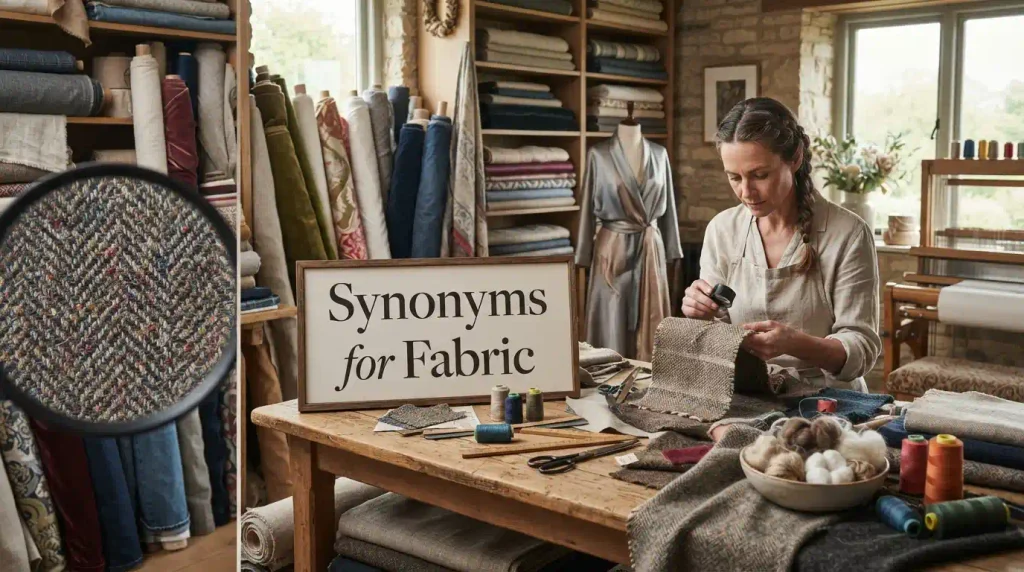
Finding the right synonyms for fabric can help you describe materials, textiles, and woven or manufactured cloth more precisely. Different alternatives may highlight texture, purpose, construction, or the type of material being discussed.
Fabric is commonly used for clothing, curtains, upholstery, bedding, and many other products. Words such as textile, cloth, material, weave, and fiber can express related ideas, although each term has a slightly different meaning.
This guide explores useful synonyms for fabric with clear meanings and practical examples. You’ll discover how these alternatives work in different contexts and learn which words are most suitable for everyday, creative, or professional writing.
Whether you’re a student, writer, designer, or English learner, synonyms for fabric can expand your vocabulary. Using precise alternatives can help you describe materials naturally, avoid repetition, and make your writing more informative and engaging.
What Does “Fabric” Really Mean?
Fabric means a cloth or other material produced by weaving or knitting textile fibers. Native speakers use this term when discussing fashion design, interior decoration, and manufacturing processes. It carries a neutral, practical tone focused on material composition and physical texture. The word appears frequently in sewing manuals, retail catalogs, and textile engineering studies.
Fabric functions grammatically as a noun. Its simple definition is a woven material.
Connotative Meaning
- Positive tone: Represents quality, craftsmanship, comfort, luxury, and durability.
- Negative tone: Can occasionally imply cheapness, synthetic irritation, or fraying wear.
- Neutral tone: Denotes a material substance without added emotional judgment.
- Connotation (the emotional or cultural association attached to a word beyond its literal dictionary definition) shapes how readers perceive material descriptions.
Etymology
Fabric originates from Latin fabrica (workshop, skill, or thing made), from faber (a workman or smith).
- Old English (450–1100): The concept of woven cloth was expressed using native Germanic terms like wæfels or clāð.
- Middle English (1100–1500): The Latin term entered European languages via Old French, initially denoting a building or structural construction.
- Modern English (1500–Present): The meaning shifted from general structural construction to woven textiles and material composition.
Pronunciation (US & UK – IPA)
- US: /ˈfæbrɪk/
- UK: /ˈfæbrɪk/
Syllables fab-ric
Affixation Pattern of Fabric
- Root: fabr (craft, work)
- Prefix: none
- Suffix: -ic (noun-forming suffix)
SYNONYMS LIST
Cloth (Noun) — US / UK Pronunciation
- Meaning: Woven or knitted material made from yarn or threads.
- Tone/Register: General, Everyday
- Example: She used a damp cloth to wipe the kitchen counter.
- Example: The tailor measured several yards of fine woolen cloth.
Textile (Noun) — US / UK Pronunciation
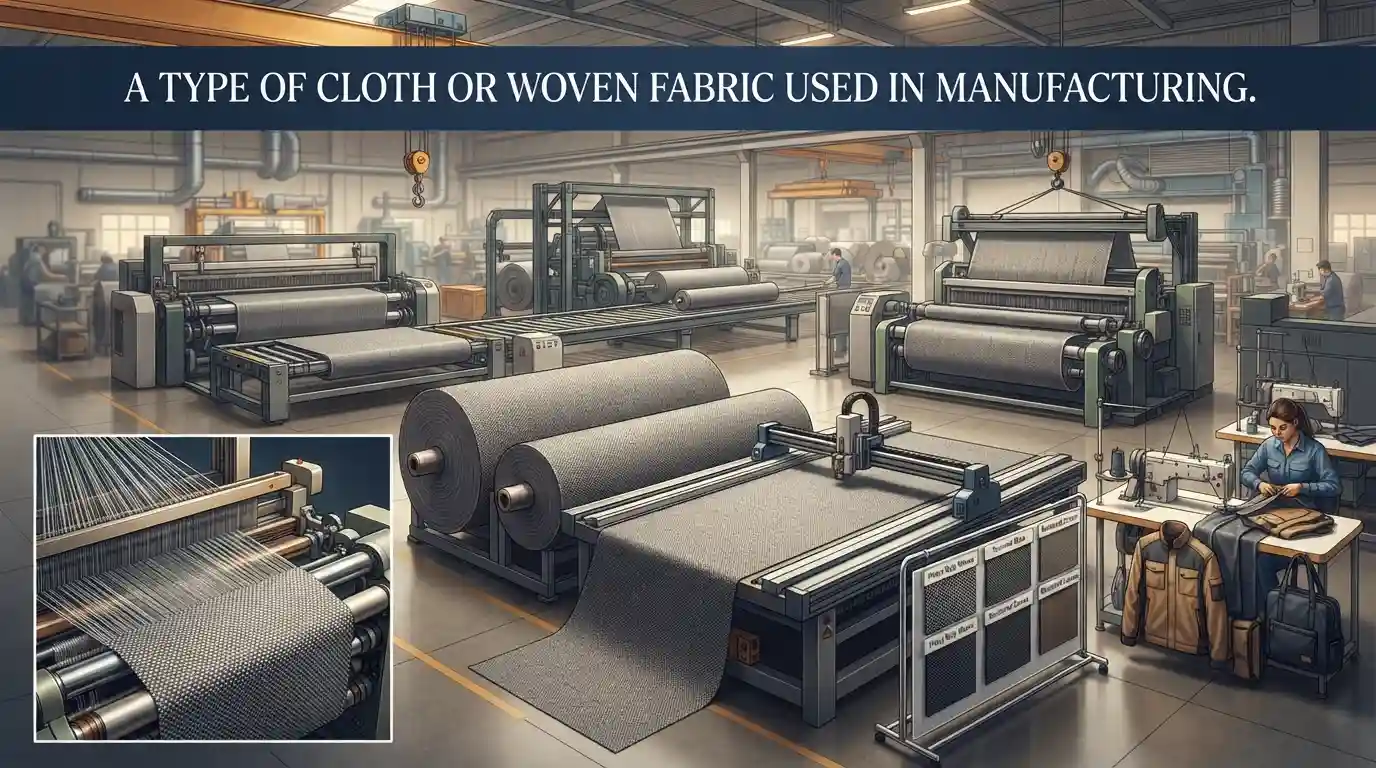
- Meaning: A type of cloth or woven fabric used in manufacturing.
- Tone/Register: Technical, Business
- Example: The factory produced high-grade industrial textile goods.
- Example: Students studied textile engineering and weaving techniques.
Material (Noun) — US / UK Pronunciation
- Meaning: The matter from which a thing is or can be made.
- Tone/Register: General, Practical
- Example: He bought breathable material to sew summer shirts.
- Example: The upholstery material resisted stains and pet claws.
Textile Material (Noun) — US / UK Pronunciation
- Meaning: Raw or processed fibrous substances woven into cloth.
- Tone/Register: Technical, Formal
- Example: Researchers tested the durability of each new textile material.
- Example: Sustainable clothing brands source organic textile material.
Stuff (Noun) — US / UK Pronunciation
- Meaning: Material, supplies, or items of a specified kind.
- Tone/Register: Informal, Everyday
- Example: Put that soft sewing stuff back into the basket.
- Example: What kind of stuff are these winter jackets made of?
Goods (Noun) — US / UK Pronunciation
- Meaning: Merchandise or possessions, including woven products.
- Tone/Register: Commercial, Formal
- Example: The merchant imported luxury silk goods from overseas.
- Example: Dry goods stores sold blankets and linens to travelers.
Weave (Noun) — US / UK Pronunciation
- Meaning: The pattern or structure in which yarn is interlaced.
- Tone/Register: Technical, Descriptive
- Example: The heavy twill weave provided excellent warmth in winter.
- Example: Tight basket weaves prevent water from leaking through.
Web (Noun) — US / UK Pronunciation
- Meaning: A complex network or woven structure of threads.
- Tone/Register: Literary, Descriptive
- Example: Spiders spin an intricate web of fine silk threads.
- Example: The industrial loom formed a strong fibrous web.
Mesh (Noun) — US / UK Pronunciation
- Meaning: Material made of a network of wire or interwoven threads.
- Tone/Register: Technical, Practical
- Example: Window screens use fine nylon mesh to block insects.
- Example: Athletic shorts featured breathable polyester mesh panels.
Net (Noun) — US / UK Pronunciation
- Meaning: A woven or knotted structure with open spaces.
- Tone/Register: General, Descriptive
- Example: Fishermen repaired their torn nylon casting net.
- Example: The soccer goal net caught the winning shot.
Layer (Noun) — US / UK Pronunciation
- Meaning: A sheet of material lying over another surface.
- Tone/Register: Technical, General
- Example: Add an insulating layer of fleece inside the coat.
- Example: Painters applied a protective layer of canvas cloth.
Sheet (Noun) — US / UK Pronunciation
- Meaning: A broad, thin piece or flat layer of material.
- Tone/Register: General, Everyday
- Example: Cut a large sheet of felt for the art project.
- Example: Cotton bed sheets require gentle washing cycles.
Piece (Noun) — US / UK Pronunciation
- Meaning: A portion or section of a larger material object.
- Tone/Register: Casual, Everyday
- Example: She cut a small piece of denim to patch jeans.
- Example: Save that scrap piece of velvet for doll clothes.
Scrap (Noun) — US / UK Pronunciation
- Meaning: A small remnant or leftover fragment of material.
- Tone/Register: Informal, Casual
- Example: Quilters sewed colorful fabric scraps into blankets.
- Example: Toss the extra thread scraps into the bin.
Remnant (Noun) — US / UK Pronunciation
- Meaning: A remaining small quantity or leftover piece of cloth.
- Tone/Register: Commercial, Practical
- Example: She bought a cheap carpet remnant for the hallway.
- Example: Craft stores sell discounted fabric remnants on weekends.
Stock (Noun) — US / UK Pronunciation
- Meaning: The goods kept available for sale in a store.
- Tone/Register: Business, Commercial
- Example: The warehouse had plenty of cotton stock available.
- Example: New textile stock arrived from the mill this morning.
Commodity (Noun) — US / UK Pronunciation
- Meaning: A raw material or product that can be bought and sold.
- Tone/Register: Economic, Formal
- Example: Cotton became a major global agricultural commodity.
- Example: Traders exchanged raw textile commodities on the market.
Substance (Noun) — US / UK Pronunciation
- Meaning: A particular kind of matter with uniform properties.
- Tone/Register: Scientific, Formal
- Example: The absorbent substance soaked up spilled water quickly.
- Example: Laboratory tests analyzed the chemical fiber substance.
Matter (Noun) — US / UK Pronunciation
- Meaning: Physical substance in general, distinct from mind and spirit.
- Tone/Register: Formal, Scientific
- Example: Raw organic matter formed the basis of natural fibers.
- Example: Technicians examined the microscopic matter of the thread.
Commodity Fabric (Noun) — US / UK Pronunciation
- Meaning: Standard, mass-produced textile material used commercially.
- Tone/Register: Business, Technical
- Example: Mass production relies heavily on cheap commodity fabric.
- Example: Clothing factories buy commodity fabric in large rolls.
Soft Goods (Noun) — US / UK Pronunciation
- Meaning: Goods made of textiles, leather, or similar flexible materials.
- Tone/Register: Commercial, Retail
- Example: Department stores dedicate entire floors to soft goods.
- Example: Bedding and curtains fall under the soft goods category.
Dry Goods (Noun) — US / UK Pronunciation
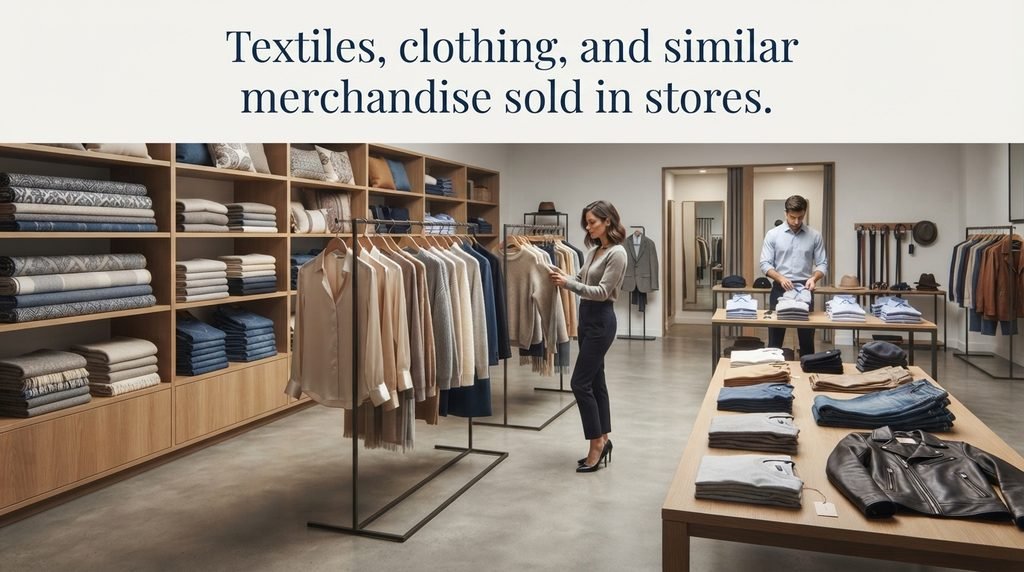
- Meaning: Textiles, clothing, and similar merchandise sold in stores.
- Tone/Register: Historical, Commercial
- Example: Pioneer towns relied on local dry goods stores for clothing.
- Example: Merchants traded dry goods along the old trade routes.
Calico (Noun) — US / UK Pronunciation
- Meaning: Plain-woven cotton cloth printed with a figured pattern.
- Tone/Register: Descriptive, Traditional
- Example: She sewed a cute apron using red calico cotton.
- Example: Antique quilts often feature floral calico patches.
Canvas (Noun) — US / UK Pronunciation
- Meaning: A strong, heavy unbleached cotton or linen cloth.
- Tone/Register: Practical, Artistic
- Example: Painters stretched heavy canvas across wooden frames.
- Example: Outdoor tents use durable waterproof canvas material.
Cotton (Noun) — US / UK Pronunciation
- Meaning: Soft white fibrous substance spun into yarn and cloth.
- Tone/Register: General, Everyday
- Example: Soft organic cotton shirts feel comfortable in summer.
- Example: Bed linens made of pure cotton wash easily.
Silk (Noun) — US / UK Pronunciation
- Meaning: A fine, strong, soft,t lustrous fiber produced by silkworms.
- Tone/Register: Formal, Luxury
- Example: She wore an elegant blue silk evening gown.
- Example: Smooth silk pillowcases prevent hair breakage.
Wool (Noun) — US / UK Pronunciation
- Meaning: The fine, soft, wavy hair from sheep, made into yarn.
- Tone/Register: Descriptive, General
- Example: Knit woolen sweaters provide warmth during blizzards.
- Example: Heavy wool scarves protect necks from freezing winds.
Linen (Noun) — US / UK Pronunciation
- Meaning: Cloth woven from the fibers of the flax plant.
- Tone/Register: Descriptive, Formal
- Example: Crisp white linen tablecloths decorated the outdoor dining table.
- Example: Breathable linen suits keep guests cool in warm climates.
Denim (Noun) — US / UK Pronunciation
- Meaning: A sturdy cotton twill fabric typically used for jeans.
- Tone/Register: Casual, Everyday
- Example: Durable blue denim jeans lasted through years of hard wear.
- Example: He wore a faded denim jacket to the concert.
Velvet (Noun) — US / UK Pronunciation
- Meaning: A closely woven silk, cotton, or nylon fabric with a short dense pile.
- Tone/Register: Luxurious, Formal
- Example: The theater curtains consisted of deep crimson velvet.
- Example: She wore a plush black velvet ribbon in her hair.
Flannel (Noun) — US / UK Pronunciation
- Meaning: A soft woven fabric, typically made of wool or cotton.
- Tone/Register: Casual, Comfort
- Example: Cozy plaid flannel pajamas kept him warm all night.
- Example: Woodsmen wore thick flannel shirts during autumn timber work.
Tweed (Noun) — US / UK Pronunciation
- Meaning: A rough, woolen fabric of mixed colored threads.
- Tone/Register: Traditional, Formal
- Example: Professors often wore elbow-patched tweed sports jackets.
- Example: Traditional countryside coats use thick woven tweed.
Chiffon (Noun) — US / UK Pronunciation
- Meaning: A light, transparent fabric made of silk or synthetic fibers.
- Tone/Register: Formal, Delicate
- Example: The bridal dress featured layered floating chiffon skirts.
- Example: Light chiffon scarves fluttered gently in the breeze.
Satin (Noun) — US / UK Pronunciation
- Meaning: A smooth, glossy fabric, usually of silk, with a lustrous face.
- Tone/Register: Formal, Elegant
- Example: Soft satin ribbons tied the gift boxes shut.
- Example: Bridesmaids wore elegant green satin dresses.
Lace (Noun) — US / UK Pronunciation
- Meaning: A fine open fabric of cotton or silk, made by looping threads.
- Tone/Register: Delicate, Formal
- Example: The vintage wedding veil featured intricate floral lace trim.
- Example: Delicate lace curtains filtered the morning sunlight.
Jersey (Noun) — US / UK Pronunciation
- Meaning: A stretchy knitted fabric used for sweaters and shirts.
- Tone/Register: Casual, Practical
- Example: Soft cotton jersey t-shirts provide daily comfort.
- Example: Athletic wear manufacturers use stretchy jersey knits.
Fleece (Noun) — US / UK Pronunciation
- Meaning: A soft, warm synthetic fabric resembling sheep’s wool.
- Tone/Register: Casual, Outdoor
- Example: Hikers packed lightweight zip-up fleece jackets in their packs.
- Example: Toddlers wore warm fleece blankets in winter strollers.
Nylon (Noun) — US / UK Pronunciation
- Meaning: A tough, lightweight, elastic synthetic polymer material.
- Tone/Register: Technical, Industrial
- Example: Camping backpacks are crafted from tear-resistant nylon.
- Example: Durable nylon climbing ropes support heavy loads.
Polyester (Noun) — US / UK Pronunciation
- Meaning: A synthetic resin and fiber resistant to wrinkles and shrinking.
- Tone/Register: Commercial, Everyday
- Example: Wrinkle-resistant polyester shirts require little ironing.
- Example: Travel luggage utilizes strong polyester outer shells.
Rayon (Noun) — US / UK Pronunciation
- Meaning: A semi-synthetic fiber made from regenerated cellulose.
- Tone/Register: Commercial, Descriptive
- Example: Lightweight rayon dresses drape softly in summer.
- Example: The blouse fabric felt smooth like silk rayon.
Acrylic (Noun) — US / UK Pronunciation
- Meaning: A synthetic fiber resembling wool used in knitwear.
- Tone/Register: Commercial, Everyday
- Example: Colorful winter beanies are often knit from acrylic yarn.
- Example: Acrylic blankets wash easily without shrinking.
Spandex (Noun) — US / UK Pronunciation
- Meaning: A synthetic fiber known for exceptional elasticity.
- Tone/Register: Athletic, Commercial
- Example: Athletic yoga pants blend cotton with flexible spandex.
- Example: Swimmers wear tight spandex suits for speed.
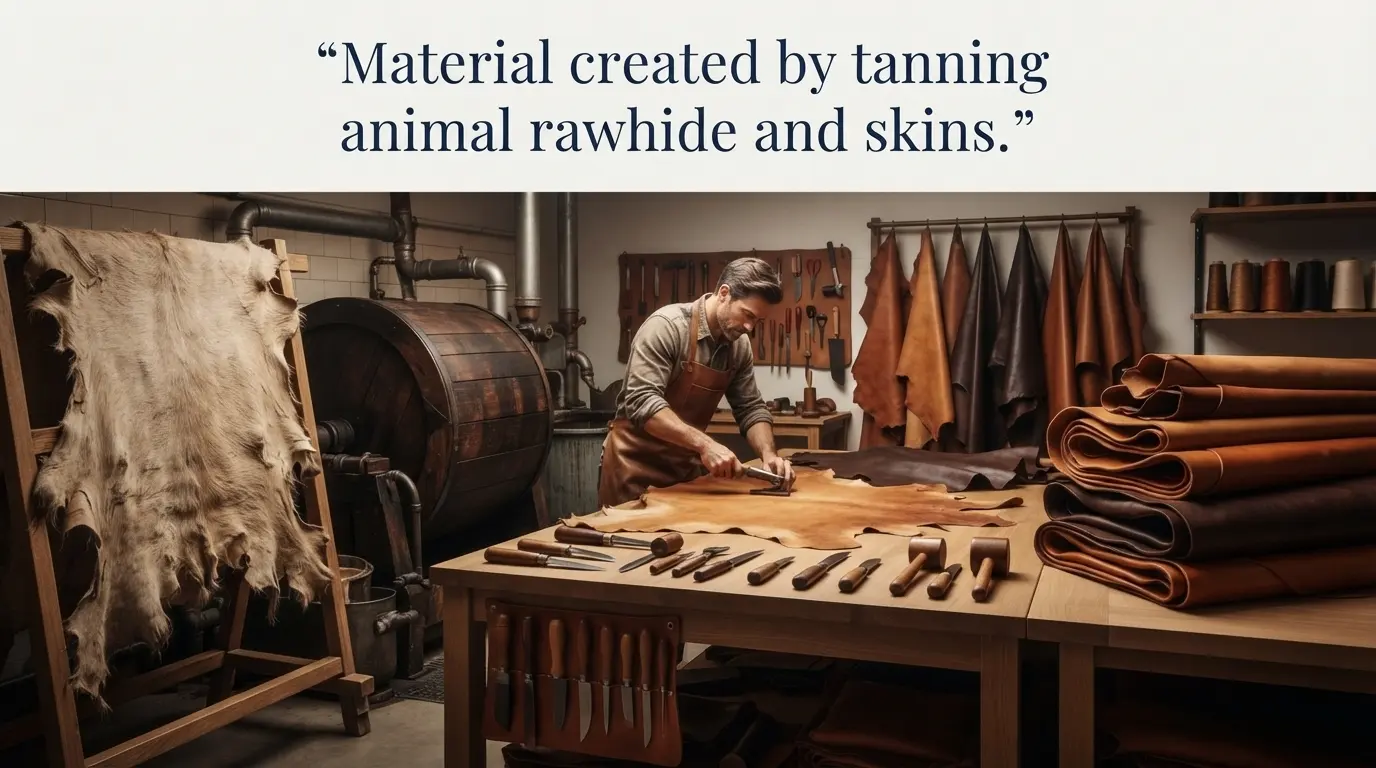
Leather (Noun) — US / UK Pronunciation
- Meaning: Material created by tanning animal rawhide and skins.
- Tone/Register: Durable, Luxury
- Example: Genuine leather boots protect feet during wet weather.
- Example: Classic cars featured sleek black leather seats.
Suede (Noun) — US / UK Pronunciation
- Meaning: Leather with a soft, fuzzy surface napped from the inner side.
- Tone/Register: Stylish, Descriptive
- Example: Soft brown suede shoes require protective waterproofing spray.
- Example: She wore a tan suede fringe jacket.
Felt (Noun) — US / UK Pronunciation
- Meaning: A non-woven fabric made by matting, condensing, and pressing fibers.
- Tone/Register: Craft, Practical
- Example: Children glued colorful felt shapes onto cardboard art.
- Example: Billiard table tops are covered in smooth green felt.
Corduroy (Noun) — US / UK Pronunciation
- Meaning: A rugged cotton pile fabric with vertical raised ridges or cords.
- Tone/Register: Casual, Vintage
- Example: He wore warm brown corduroy trousers to class.
- Example: Vintage jackets often featured wide corduroy collars.
Organza (Noun) — US / UK Pronunciation
- Meaning: A thin, stiff, transparent fabric made of silk or synthetic yarn.
- Tone/Register: Elegant, Formal
- Example: Gift bags were tied with sheer golden organza ribbons.
- Example: Evening gowns used stiff organza layers for volume.
Taffeta (Noun) — US / UK Pronunciation
- Meaning: A crisp, smooth, lustrous plain-woven fabric.
- Tone/Register: Formal, Luxury
- Example: The ballgown skirt rustled softly in stiff silk taffeta.
- Example: Party decorations utilized shiny metallic taffeta bows.
Poplin (Noun) — US / UK Pronunciation
- Meaning: A strong cotton fabric with crosswise ribs.
- Tone/Register: Formal, Business
- Example: Crisp cotton poplin shirts look professional in offices.
- Example: Tailors used fine poplin for lightweight summer suits.
Twill (Noun) — US / UK Pronunciation
- Meaning: A textile weave with a pattern of diagonal parallel ribs.
- Tone/Register: Technical, Durable
- Example: Heavy cotton twill work pants resist tearing.
- Example: Trench coats feature durable water-resistant twill.
Sateen (Noun) — US / UK Pronunciation
- Meaning: A cotton fabric woven with a satin structure for shine.
- Tone/Register: Descriptive, Home
- Example: Luxurious sateen bedsheets feel silky against the skin.
- Example: Curtains made of sateen reflect soft indoor lighting.
Damask (Noun) — US / UK Pronunciation
- Meaning: A reversible figured fabric of silk, wool, or linen.
- Tone/Register: Formal, Traditional
- Example: Elegant dining tables featured patterned damask tablecloths.
- Example: Historic parlor armchairs were upholstered in rich damask.
Georgette (Noun) — US / UK Pronunciation
- Meaning: A sheer, lightweight, dull-finished crêpe fabric.
- Tone/Register: Delicate, Fashion
- Example: Flowing summer dresses were made from printed georgette.
- Example: Lightweight georgette blouses drape gracefully.
Mesh Fabric (Noun) — US / UK Pronunciation
- Meaning: An openwork woven or knitted material with spaces.
- Tone/Register: Technical, Practical
- Example: Sports jerseys use ventilated mesh fabric for cooling.
- Example: Laundry wash bags consist of sturdy mesh fabric.
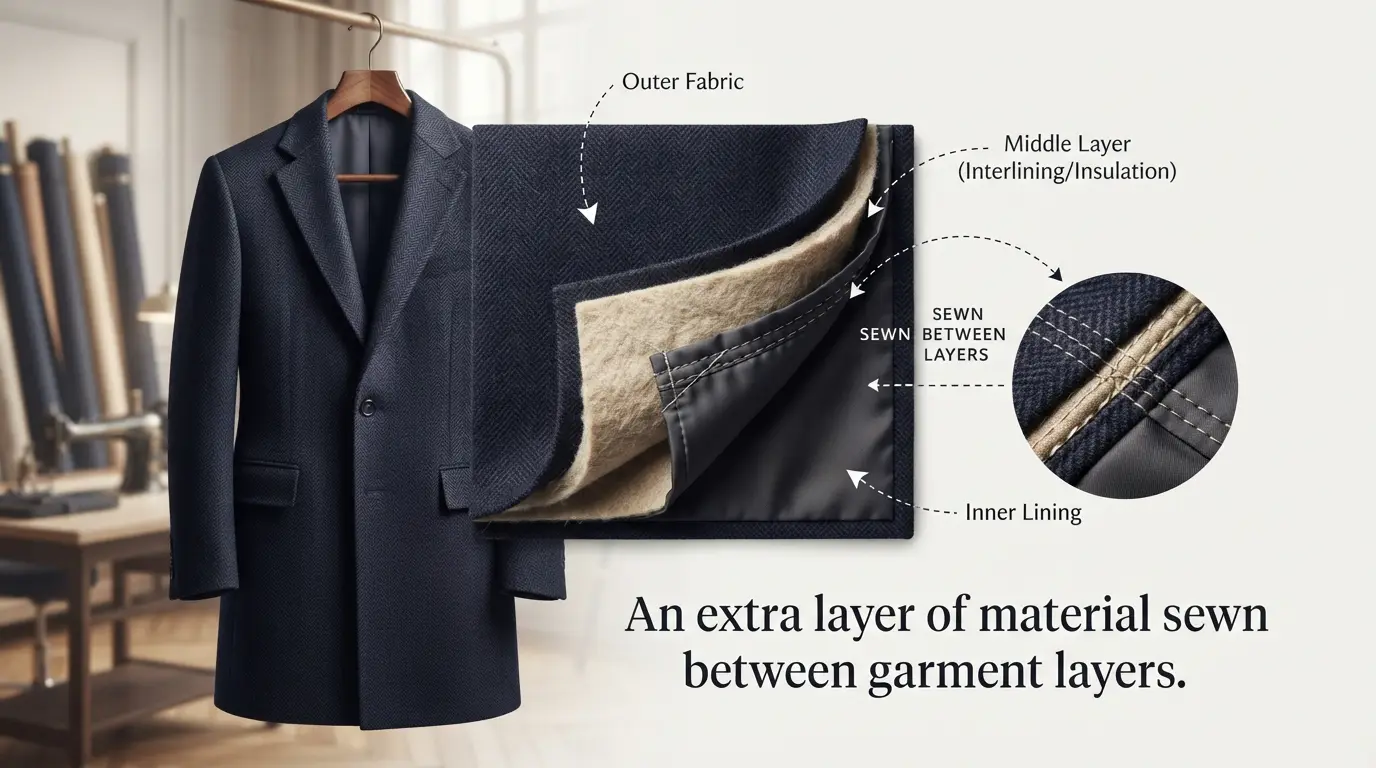
Interlining (Noun) — US / UK Pronunciation
- Meaning: An extra layer of material sewn between garment layers.
- Tone/Register: Tailoring, Technical
- Example: Tailors added warm wool interlining inside winter coats.
- Example: Structured suit jackets require supportive collar interlining.
SYNONYMS BY TONE
Word choice dictates how an audience receives your message. Using positive synonyms like silk, velvet, or damask highlights luxury and craftsmanship. Neutral terms like cloth, material, or textile keep everyday and technical writing clear and objective. Commercial contexts favor words like goods, stock, or remnant. Selecting the right tone ensures your writing resonates accurately with your readers.
More Synonyms for Fabric, Textile, Cloth, and Woven Materials
Although words such as fabric, cloth, and textile have similar meanings, each term has its own usage. The best alternative depends on whether you are describing a material, its texture, its construction, or its appearance. The following synonyms and related words can help you choose more precise vocabulary.
1. Textile Synonyms
Common synonyms and related terms for textile include fabric, cloth, material, woven goods, and textile products. These words are useful in fashion, manufacturing, retail, and academic writing.
- Fabric: Material made by weaving, knitting, or bonding fibers.
- Cloth: A piece of finished material commonly used for clothing and household products.
- Material: A general term for the substance used to make an object.
- Woven goods: Products made from interlaced threads or yarns.
- Textile products: Items manufactured from textile fibers or materials.
Example: The manufacturer sources high-quality textiles for clothing and upholstery production.
2. Another Word for Textile
If you need another word for textile, fabric is often the closest alternative when referring to material used for clothing, curtains, and upholstery. Cloth is suitable for everyday descriptions, while material is a broader term.
For example:
- The designer selected a lightweight fabric for the summer collection.
- The shop sells cotton cloth for sewing projects.
- The company uses sustainable materials to manufacture garments.
In technical writing, textile may be more appropriate because it can refer broadly to textile fibers, fabrics, and related products.
3. Woven Synonyms
The word woven describes something made by interlacing threads, strands, or other materials. Depending on the context, related words include interlaced, interwoven, intertwined, and braided. However, these words describe different construction methods and are not always interchangeable.
- Interlaced: Threads or strands crossed over and under one another.
- Interwoven: Different threads or elements woven together.
- Intertwined: Elements twisted or connected.
- Braided: Strands combined by crossing them over one another in a braid.
Example: The artisan created an intricate pattern using interwoven cotton threads.
Another example: The basket was made from tightly braided natural fibers.
4. Soft Fabric Synonyms
When describing fabric that feels pleasant to the touch, words such as plush, velvety, silky, fuzzy, smooth, and supple can communicate different textures.
- Plush: Soft, thick, and often luxurious.
- Velvety: Smooth and soft, resembling velvet.
- Silky: Smooth and slippery, resembling silk.
- Fuzzy: Covered with fine fibers that create a soft surface.
- Smooth: Having an even surface with little roughness.
- Supple: Flexible and soft rather than stiff.
Example: The plush fabric made the sofa feel comfortable and inviting.
Example: She chose a silky material for her elegant evening dress.
These words describe texture rather than specific fabric types, making them especially useful for product descriptions, fashion writing, and interior design.
5. Fancy Words for Fabric
If you want a more sophisticated or professional alternative to fabric, consider textile, material, woven textile, or luxurious cloth. The most suitable choice depends on the tone and context of your writing.
For descriptions emphasizing luxury, specific fabric names such as velvet, silk, satin, and damask can create a more elegant impression.
Examples:
- The designer selected a luxurious textile for the formal collection.
- Rich velvet upholstery added elegance to the living room.
- The gown featured delicate silk and glossy satin details.
- Decorative damask enhanced the traditional interior.
Note that velvet, silk, satin, and damask are names of particular materials or fabric types, not universal synonyms for every kind of fabric.
6. Synonyms for Fabrics and Textiles
The plural words fabrics and textiles refer to multiple materials or types of textile products. Depending on the sentence, related expressions include cloth materials, textile products, woven materials, and fabric types.
Examples:
- The store offers a wide selection of fabric types for clothing and crafts.
- The manufacturer exports finished textile products to international markets.
- Designers compare different woven materials before selecting upholstery.
- The collection includes cotton, linen, silk, and other fabrics.
In everyday English, fabrics are usually the most natural choice when discussing several kinds of cloth. In industrial or academic writing, textiles and textile products may be more appropriate.
7. More Words Related to Fabric
Several terms are associated with fabric but describe different aspects of its composition, structure, or use.
| Word | Meaning |
|---|---|
| Fiber | A fine strand used to produce yarn or textile materials. |
| Yarn | Continuous strands of fibers used in knitting or weaving. |
| Thread | A fine strand used for sewing or forming textiles. |
| Weave | The pattern or method used to interlace yarns. |
| Knit | A structure formed by interlocking loops of yarn. |
| Mesh | Material with a network of open spaces. |
| Felt | A nonwoven material made by matting fibers together. |
| Upholstery | Material or covering used on furniture, often made from fabric or leather. |
These terms are related to fabric but are not exact synonyms. Choosing the correct word helps make descriptions more accurate and informative.
8. Frequently Asked Questions About Fabric Synonyms
What is another word for fabric?
Common alternatives include cloth, textile, and material. The best option depends on the context and the type of material being described.
What is another word for textile?
Fabric is often the closest alternative when referring to cloth used in clothing or furnishings. Material is broader, while textile products refer to manufactured goods made from textiles.
What are some synonyms for woven?
Depending on the context, related words include interlaced, interwoven, and intertwined. Braided describes a different construction method and is suitable only in specific contexts.
What are some words for soft fabric?
Words such as plush, velvety, silky, fuzzy, smooth, and supple describe different qualities of softness and texture.
What is a fancy word for fabric?
Textile is a more technical alternative, while luxurious cloth is a descriptive phrase. Specific names such as velvet, silk, and damask can suggest elegance when they accurately describe the material.
Are fabric, cloth, and textile interchangeable?
They overlap in meaning but are not always interchangeable. Fabric commonly refers to material used in clothing and furnishings, cloth often refers to finished material, and textile is frequently used in manufacturing and technical contexts.
MINI COMPARISON
Fabric vs. Cloth vs. Textile
- Fabric: Refers generally to any woven, knitted, or manufactured material used in making garments or home decor. Use it in everyday retail and fashion contexts.
- Cloth: Implies a piece of finished woven material, often associated with household tasks or simple pieces. Use it for practical cleaning items or general descriptions.
- Textile: A more technical or industrial term denoting fibers, yarns, and woven goods used in manufacturing. Use it in academic, economic, or industrial writing.
CONTEXT-BASED USAGE
Daily conversation requires simple terms like cloth or material rather than heavy technical nouns. Writing or blogging benefits from engaging variations like velvet or canvas to capture reader interest and tactile imagery. Professional and academic papers demand precise vocabulary such as textile material or interlining. Creative storytelling uses nuanced alternatives like chiffon or damask to build deep sensory descriptions for characters and settings.
COMMON MISTAKES & NATIVE USAGE
Writers often confuse fabric with fiber, forgetting that fibers are the raw strands while fabrics are the finished woven sheets. Overusing luxury terms like damask in casual descriptions makes text sound overly pretentious. Native speakers prefer concise phrases like cotton material in spoken English, saving words like textile commodity for economic reports. Always match your word choice to your audience’s reading level.
REAL-LIFE MINI SCENARIOS
- Workplace: The designer inspected the newly arrived textile samples for the spring collection.
- Social situations: She admired the soft velvet upholstery on the vintage armchair.
- Media/pop culture: The historical documentary explored global cotton commodity trade routes.
- Writing or storytelling: The seamstress carefully cut a delicate chiffon pattern for the gown.
CONCLUSION
Understanding synonyms for fabric gives you more ways to describe cloth, textiles, and materials with greater precision. However, these alternatives are not always interchangeable. For example, fiber refers to the basic material, while textile generally refers to a material made for use in products.
Using synonyms for fabric can make descriptions more varied and informative. Words such as cloth, textile, material, weave, and fiber each emphasize a different aspect of fabric. Choosing the wrong term may make a sentence less accurate or change its intended meaning.
Learning synonyms for fabric is useful for students, writers, designers, and English learners. Practicing these alternatives can improve vocabulary and help you describe clothing, furnishings, textures, and materials more effectively. With careful word selection, your writing can become clearer, more natural, and more engaging.
PRACTICE EXERCISE
- Which synonym best fits a technical discussion about industrial manufacturing fibers?
- A) Textile
- B) Scrap
- C) Rag
- D) Ribbon
- Select the best term for a cleaning wipe used in the kitchen.
- A) Cloth
- B) Damask
- C) Organza
- D) Tweed
- Which word describes a heavy, rough woolen fabric with mixed colored threads?
- A) Tweed
- B) Chiffon
- C) Satin
- D) Nylon
- What term fits a small leftover remnant piece of sewing material?
- A) Scrap
- B) Commodity
- C) Web
- D) Mesh
- Which alternative highlights a luxurious, smooth, glossy fabric?
- A) Satin
- B) Burlap
- C) Felt
- D) Canvas
- Choose the synonym for a stretchy knitted synthetic fiber used in athletic wear.
- A) Spandex
- B) Damask
- C) Poplin
- D) Tweed
- Which word suits a heavy, unbleached cotton cloth used for paintings and tents?
- A) Canvas
- B) Silk
- C) Georgette
- D) Organza
- Select the term for a reversible figured fabric used in historic upholstery.
- A) Damask
- B) Denim
- C) Fleece
- D) Flannel
- What word describes a sheer, lightweight, transparent evening gown material?
- A) Chiffon
- B) Corduroy
- C) Leather
- D) Suede
- Which synonym works best for non-woven pressed matting used in crafts?
- A) Felt
- B) Jersey
- C) Poplin
- D) Twill
Reflection Task: Write one original sentence using the synonym velvet in a descriptive interior design context.
Answer Key: 1. A, 2. A, 3. A, 4. A, 5. A, 6. A, 7. A, 8. A, 9. A, 10. A
FAQs
What Does “Fabric” Mean?
Fabric is a material, usually made by weaving, knitting, or bonding fibers together, and is commonly used to make clothing, household items, and other products.
What Is the Best Synonym for “Fabric”?
Common synonyms include cloth, textile, material, weave, and textile material. The best choice depends on the specific context.
Is “Textile” a Synonym for “Fabric”?
Yes, textile is a closely related synonym. However, textile can refer more broadly to materials made from fibers, while fabric often refers to finished cloth.
What Is Another Word for Fabric in Clothing?
Cloth and textile are common alternatives when talking about material used to make clothing. Specific terms such as cotton, silk, or wool can identify the type of fabric.
How Can I Use Synonyms for “Fabric” in Writing?
Choose an alternative based on what you want to describe. Use cloth for everyday contexts, textile for technical or professional writing, and material when referring more generally to what something is made from.

Hasnain Ali is an SEO Content Strategist and the founder of wordvora.com, a trusted vocabulary platform that helps writers, students, professionals, and English learners find accurate synonyms, antonyms, word meanings, and real-life usage examples. He specializes in keyword research, on-page SEO, topical authority, and creating search-first content that aligns with Google’s latest Search Quality and E-E-A-T guidelines. His work focuses on producing clear, well-structured, and reader-friendly resources that satisfy search intent while maintaining high editorial standards.
Through extensive hands-on experience with SEO tools such as Google Search Console, Google Analytics, SEMrush, and Ahrefs, Hasnain researches user search behavior and develops content that is both informative and easy to understand. Every article published on wordvora.com is carefully reviewed for accuracy, readability, and contextual relevance before publication. His mission is to build one of the web’s most reliable English vocabulary resources by providing practical language guidance, trustworthy explanations, and content that helps readers improve their writing, communication, and vocabulary with confidence.