

Synonyms for feeling free can transform a simple idea into a vivid expression. Imagine finishing a stressful task and suddenly breathing easily again.
That feeling may sound like relief, liberation, or independence. Each word adds a slightly different shade to the same basic experience.
In everyday English, people often describe freedom through emotions, choices, movement, or independence. Learning alternatives makes your vocabulary more flexible.
For students, bloggers, writers, and daily English users, synonyms for feeling free make conversations and writing more natural, expressive, and engaging.
What Does “Feeling Free” Really Mean?
“Feeling free” means experiencing a sense of freedom, independence, comfort, or release from restrictions.
The phrase usually describes an emotional state. A person may feel free after leaving a stressful environment, making an independent decision, expressing an honest opinion, or escaping unwanted pressure.
The phrase can also describe physical freedom. For example, someone may feel free after removing a heavy restriction or gaining the ability to travel wherever they want.
Part of speech: “Feeling free” is a phrase built around the verb feel and the adjective free.
Simple definition: Feeling free means feeling unrestricted, independent, relaxed, or able to act according to your own wishes.
Native speakers commonly use the phrase in conversations about personal choices, relationships, travel, creativity, work, emotions, and lifestyle.
Connotative Meaning
Connotation means the emotional or cultural feeling that a word suggests beyond its basic dictionary meaning.
Positive tone: Freedom often suggests confidence, happiness, independence, relief, and personal growth.
Negative tone: Some alternatives can suggest escape from pressure, confinement, control, or responsibility.
Neutral tone: Words such as “unrestricted” and “unconstrained” can describe freedom without strong emotional coloring.
Therefore, word choice matters. “Liberated” sounds emotionally powerful, while “unrestricted” sounds more factual.
Etymology
The phrase feeling free combines the history of two Old English words: feel and free.
The word feel comes from Old English fēlan, meaning to perceive through the senses or experience an emotion. Its meaning gradually expanded during Middle English and later developed into the broad emotional and sensory use common today.
The word free comes from Old English frēo, meaning not enslaved, acting independently, or belonging to oneself. It is related to older Germanic forms connected with ideas of freedom and personal status.

Historical Development
Old English (450–1100): Old English used forms related to fēlan for experiencing or perceiving. The ancestor of free referred to freedom from slavery or control.
Middle English (1100–1500): The meanings expanded. Feel became connected more strongly with emotional experience, while free developed wider meanings involving independence and unrestricted action.
Modern English (1500–Present): Both words gained broad emotional and figurative uses. Today, “feeling free” can describe emotional relief, personal independence, creativity, physical movement, and freedom of choice.
Pronunciation, Syllables, and Affixation
Feeling
US: /ˈfiː.lɪŋ/
UK: /ˈfiː.lɪŋ/
Free
US: /friː/
UK: /friː/
Syllables: feel-ing free
Affixation Pattern:
Root: feel
Prefix: none
Suffix: -ing
The word feeling comes from the verb feel plus the suffix -ing, which forms a present participle or gerund.
Synonyms List
Liberated (Adjective) — US: /ˈlɪb.ə.reɪ.tɪd/ | UK: /ˈlɪb.ə.reɪ.tɪd/
Meaning: Feeling released from control, restriction, or emotional pressure.
Tone/Register: Positive; formal and expressive.
Example:
She felt liberated after leaving the stressful job.
The open road made him feel completely liberated.
Independent (Adjective) — US: /ˌɪn.dɪˈpen.dənt/ | UK: /ˌɪn.dɪˈpen.dənt/
Meaning: Able to make choices without depending heavily on others.
Tone/Register: Neutral; common in everyday and professional English.
Example:
Living alone made her feel independent.
He enjoyed making his own decisions.
Unrestricted (Adjective) — US: /ˌʌn.rɪˈstrɪk.tɪd/ | UK: /ˌʌn.rɪˈstrɪk.tɪd/
Meaning: Not limited by rules, controls, or boundaries.
Tone/Register: Formal; academic and professional.
Example:
The artist enjoyed unrestricted creativity.
Students had unrestricted access to the open area.
Unconstrained (Adjective) — US: /ˌʌn.kənˈstreɪnd/ | UK: /ˌʌn.kənˈstreɪnd/
Meaning: Free from limits or controlling influences.
Tone/Register: Formal; academic and literary.
Example:
She finally expressed her unconstrained creativity.
His ideas felt unconstrained during the workshop.
Unconfined (Adjective) — US: /ˌʌn.kənˈfaɪnd/ | UK: /ˌʌn.kənˈfaɪnd/
Meaning: Not kept within a physical or emotional boundary.
Tone/Register: Formal; descriptive.
Example:
He loved the feeling of being unconfined.
Her imagination seemed completely unconfined.
Unrestrained (Adjective) — US: /ˌʌn.rɪˈstreɪnd/ | UK: /ˌʌn.rɪˈstreɪnd/
Meaning: Free from control or limitation.
Tone/Register: Formal; expressive.
Example:
She laughed with unrestrained joy.
The celebration gave everyone a sense of freedom.
Autonomous (Adjective) — US: /ɔːˈtɑː.nə.məs/ | UK: /ɔːˈtɒn.ə.məs/
Meaning: Able to act or decide independently.
Tone/Register: Formal; academic and professional.
Example:
The role gave him an autonomous working style.
She felt autonomous after taking control of her schedule.
Self-governing (Adjective) — US: /ˌselfˈɡʌv.ər.nɪŋ/ | UK: /ˌselfˈɡʌv.ən.ɪŋ/
Meaning: Able to control one’s own actions or decisions.
Tone/Register: Formal; political and academic.
Example:
She valued her self-governing lifestyle.
He wanted a more self-governing approach to work.
Self-reliant (Adjective) — US: /ˌself.rɪˈlaɪ.ənt/ | UK: /ˌself.rɪˈlaɪ.ənt/
Meaning: Confident in managing life without excessive help from others.
Tone/Register: Positive; professional and everyday.
Example:
Traveling alone made her more self-reliant.
He felt proud of becoming self-reliant.
Unfettered (Adjective) — US: /ʌnˈfetərd/ | UK: /ʌnˈfetəd/
Meaning: Free from restrictions or controlling forces.
Tone/Register: Formal; literary.
Example:
The writer enjoyed unfettered creativity.
Her thoughts felt unfettered in nature.
Unbridled (Adjective) — US: /ʌnˈbraɪdld/ | UK: /ʌnˈbraɪdld/
Meaning: Completely unrestricted or uncontrolled.
Tone/Register: Literary; expressive.
Example:
He danced with unbridled enthusiasm.
The trip gave her unbridled excitement.
At Liberty (Phrase) — US: /æt ˈlɪbərti/ | UK: /æt ˈlɪbəti/
Meaning: Free to act or make a choice.
Tone/Register: Formal.
Example:
You are at liberty to leave whenever you wish.
She felt at liberty to speak honestly.
At Ease (Phrase) — US: /æt iːz/ | UK: /æt iːz/
Meaning: Relaxed and free from tension or worry.
Tone/Register: Neutral; common in conversation.
Example:
He felt at ease among his old friends.
The quiet room helped her feel at ease.
Carefree (Adjective) — US: /ˈker.friː/ | UK: /ˈkeə.friː/
Meaning: Free from worry or serious responsibility.
Tone/Register: Positive; informal and literary.
Example:
Childhood summers felt carefree.
She enjoyed a carefree afternoon by the lake.
Unburdened (Adjective) — US: /ʌnˈbɜːr.dənd/ | UK: /ʌnˈbɜː.dənd/
Meaning: Free from a heavy emotional, mental, or practical burden.
Tone/Register: Neutral to formal.
Example:
He felt unburdened after sharing his worries.
She walked away feeling lighter and unburdened.
Relieved (Adjective) — US: /rɪˈliːvd/ | UK: /rɪˈliːvd/
Meaning: Free from worry after a difficult situation improves.
Tone/Register: Neutral; extremely common.
Example:
She felt relieved after receiving the good news.
He was relieved to finish the stressful task.
At Peace (Phrase) — US: /æt piːs/ | UK: /æt piːs/
Meaning: Feeling calm and free from inner conflict.
Tone/Register: Positive; reflective.
Example:
She felt at peace beside the ocean.
He finally felt at peace with his decision.
Untroubled (Adjective) — US: /ʌnˈtrʌbld/ | UK: /ʌnˈtrʌbld/
Meaning: Free from worry, difficulty, or disturbance.
Tone/Register: Neutral; literary.
Example:
The quiet morning left her untroubled.
He looked calm and untroubled.
Unworried (Adjective) — US: /ʌnˈwɜːrid/ | UK: /ʌnˈwɜːrid/
Meaning: Not experiencing concern or anxiety.
Tone/Register: Informal to neutral.
Example:
She seemed unworried about the delay.
He remained unworried throughout the journey.
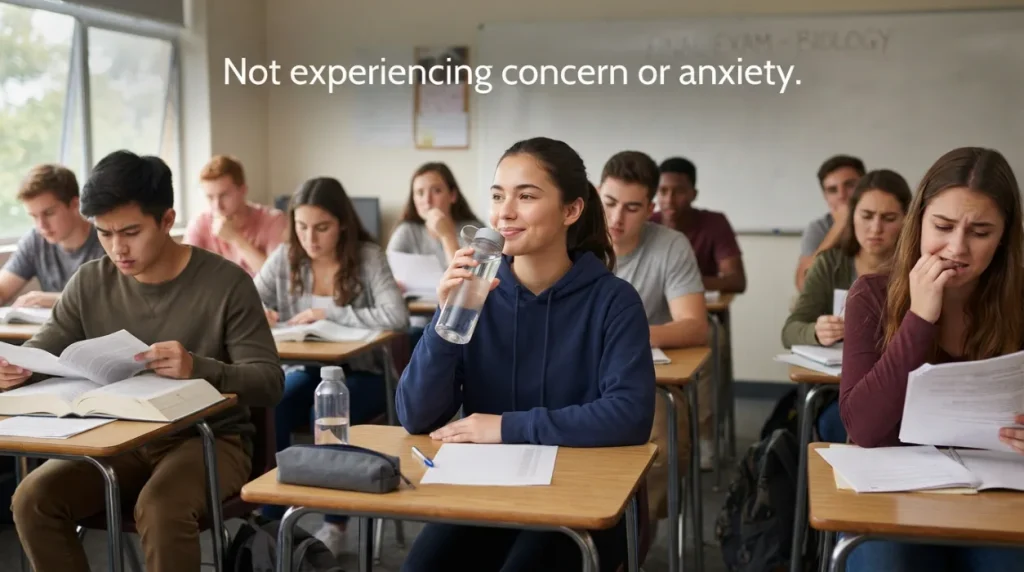
Relaxed (Adjective) — US: /rɪˈlækst/ | UK: /rɪˈlækst/
Meaning: Calm and free from tension.
Tone/Register: Neutral; very common.
Example:
He felt relaxed after the weekend trip.
She looked relaxed in her new routine.
Unstressed (Adjective) — US: /ʌnˈstrest/ | UK: /ʌnˈstrest/
Meaning: Free from significant mental or emotional pressure.
Tone/Register: Neutral.
Example:
A quiet evening left him unstressed.
She felt unstressed after completing her assignments.
Comfortable (Adjective) — US: /ˈkʌmfərtəbl/ | UK: /ˈkʌmfətəbl/
Meaning: Feeling physically or emotionally free from discomfort.
Tone/Register: Neutral; everyday.
Example:
She felt comfortable expressing her opinion.
He became comfortable being himself.
Secure (Adjective) — US: /sɪˈkjʊr/ | UK: /sɪˈkjʊə/
Meaning: Feeling safe enough to act without fear.
Tone/Register: Neutral; professional and everyday.
Example:
He felt secure making his own choices.
She became more secure after gaining confidence.
Empowered (Adjective) — US: /ɪmˈpaʊərd/ | UK: /ɪmˈpaʊəd/
Meaning: Feeling confident and capable of controlling your own life.
Tone/Register: Positive; professional and motivational.
Example:
The experience left her feeling empowered.
He felt empowered to speak up.
Confident (Adjective) — US: /ˈkɑːnfɪdənt/ | UK: /ˈkɒnfɪdənt/
Meaning: Feeling sure enough to act without excessive fear.
Tone/Register: Positive; common.
Example:
She felt confident making the decision alone.
He became confident about expressing his ideas.
Bold (Adjective) — US: /boʊld/ | UK: /bəʊld/
Meaning: Willing to act freely and courageously.
Tone/Register: Positive; everyday and professional.
Example:
She felt bold enough to try something new.
His bold attitude helped him take the opportunity.
Unafraid (Adjective) — US: /ˌʌnəˈfreɪd/ | UK: /ˌʌnəˈfreɪd/
Meaning: Free from fear or hesitation.
Tone/Register: Neutral to positive.
Example:
She felt unafraid while speaking on stage.
He became unafraid of making mistakes.
Fearless (Adjective) — US: /ˈfɪrləs/ | UK: /ˈfɪələs/
Meaning: Showing little or no fear.
Tone/Register: Positive; strong and expressive.
Example:
She took a fearless approach to the challenge.
He felt fearless during the adventure.
Spontaneous (Adjective) — US: /spɑːnˈteɪniəs/ | UK: /spɒnˈteɪniəs/
Meaning: Able to act naturally without strict planning.
Tone/Register: Positive; everyday.
Example:
They enjoyed a spontaneous road trip.
She loved being spontaneous on vacation.
Uninhibited (Adjective) — US: /ˌʌnɪnˈhɪbɪtɪd/ | UK: /ˌʌnɪnˈhɪbɪtɪd/
Meaning: Free from self-consciousness or social restraint.
Tone/Register: Neutral to formal.
Example:
She became uninhibited around close friends.
His uninhibited dancing made everyone laugh.
Unselfconscious (Adjective) — US: /ˌʌnselfˈkɑːnʃəs/ | UK: /ˌʌnselfˈkɒnʃəs/
Meaning: Not worried about how others judge you.
Tone/Register: Neutral; descriptive.
Example:
The children played in an unselfconscious way.
She felt unselfconscious on the empty beach.
Unconcerned (Adjective) — US: /ˌʌnkənˈsɜːrnd/ | UK: /ˌʌnkənˈsɜːnd/
Meaning: Free from worry or concern.
Tone/Register: Neutral; everyday and formal.
Example:
He looked unconcerned about the change.
She remained unconcerned during the discussion.
Unpressured (Adjective) — US: /ˌʌnˈpreʃərd/ | UK: /ˌʌnˈpreʃəd/
Meaning: Free from pressure or demands.
Tone/Register: Neutral; modern conversational English.
Example:
She enjoyed an unpressured weekend.
He worked better in an unpressured environment.
Unhindered (Adjective) — US: /ʌnˈhɪndərd/ | UK: /ʌnˈhɪndəd/
Meaning: Able to move or act without obstacles.
Tone/Register: Formal.
Example:
The hikers moved unhindered through the valley.
She finally pursued her goals unhindered.
Unhampered (Adjective) — US: /ʌnˈhæmpərd/ | UK: /ʌnˈhæmpəd/
Meaning: Free from anything that limits progress or action.
Tone/Register: Formal; professional.
Example:
He worked unhampered by unnecessary rules.
The team moved forward unhampered.
Unimpeded (Adjective) — US: /ˌʌnɪmˈpiːdɪd/ | UK: /ˌʌnɪmˈpiːdɪd/
Meaning: Able to continue without obstruction.
Tone/Register: Formal; academic.
Example:
She enjoyed unimpeded movement across the park.
The project continued without delay.
Unrestrictedly (Adverb) — US: /ˌʌnrɪˈstrɪktɪdli/ | UK: /ˌʌnrɪˈstrɪktɪdli/
Meaning: In a way that involves no significant limits.
Tone/Register: Formal.
Example:
The students could discuss the topic unrestrictedly.
He expressed his ideas unrestrictedly.
Freely (Adverb) — US: /ˈfriːli/ | UK: /ˈfriːli/
Meaning: Without restriction, force, or hesitation.
Tone/Register: Neutral; extremely common.
Example:
She spoke freely about her experience.
The children moved freely around the garden.
Independently (Adverb) — US: /ˌɪndɪˈpendəntli/ | UK: /ˌɪndɪˈpendəntli/
Meaning: Without relying on another person for direction or support.
Tone/Register: Neutral to formal.
Example:
He learned to work independently.
She traveled independently for the first time.
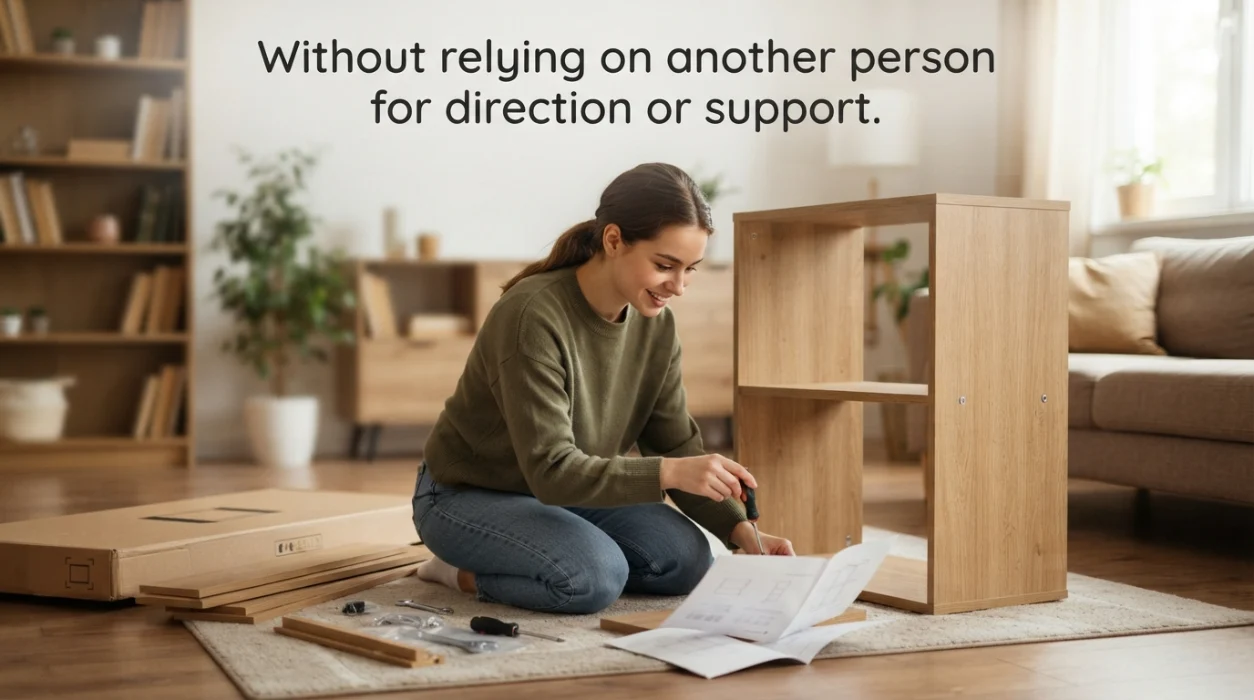
Voluntarily (Adverb) — US: /ˈvɑːləntɛrəli/ | UK: /ˈvɒləntərɪli/
Meaning: By personal choice rather than force.
Tone/Register: Formal; professional.
Example:
She voluntarily left the position.
He joined the project voluntarily.
Willingly (Adverb) — US: /ˈwɪlɪŋli/ | UK: /ˈwɪlɪŋli/
Meaning: With personal willingness and without being forced.
Tone/Register: Neutral.
Example:
She willingly accepted the new opportunity.
He willingly changed his plans.
Without Restraint (Phrase) — US: /wɪˈðaʊt rɪˈstreɪnt/ | UK: /wɪˈðaʊt rɪˈstreɪnt/
Meaning: Without controls that limit behavior or expression.
Tone/Register: Formal; literary.
Example:
The children played without restraint.
She expressed her emotions without restraint.
Without Restrictions (Phrase) — US: /wɪˈðaʊt rɪˈstrɪkʃənz/ | UK: /wɪˈðaʊt rɪˈstrɪkʃənz/
Meaning: Without rules or conditions that limit action.
Tone/Register: Neutral to formal.
Example:
Visitors could explore the area without restrictions.
He wanted to work without restrictions.
On Your Own (Phrase) — US: /ɑːn jʊr oʊn/ | UK: /ɒn jɔːr əʊn/
Meaning: Independent and responsible for your own choices.
Tone/Register: Informal; very common.
Example:
She felt proud living on her own.
He enjoyed making decisions on his own.
Your Own Person (Phrase) — US: /jʊr oʊn ˈpɜːrsən/ | UK: /jɔːr əʊn ˈpɜːsən/
Meaning: Independent and able to make personal choices.
Tone/Register: Informal to neutral.
Example:
College helped him become his own person.
She finally felt like her own person.
Room to Breathe (Phrase) — US: /ruːm tə briːð/ | UK: /ruːm tə briːð/
Meaning: Enough freedom or space to relax and act naturally.
Tone/Register: Informal; idiomatic.
Example:
The flexible schedule gave her room to breathe.
He needed some room to breathe after the busy week.
A Weight Off Your Shoulders (Idiom) — US: /ə weɪt ɔːf jʊr ˈʃoʊldərz/ | UK: /ə weɪt ɒf jɔː ˈʃəʊldəz/
Meaning: A strong feeling of relief after a burden disappears.
Tone/Register: Informal; conversational.
Example:
Finishing the exam felt like a weight off her shoulders.
The apology was a weight off his shoulders.
Lighthearted (Adjective) — US: /ˌlaɪtˈhɑːrtɪd/ | UK: /ˌlaɪtˈhɑːtɪd/
Meaning: Cheerful and free from serious worry.
Tone/Register: Positive; everyday and literary.
Example:
The holiday gave him a lighthearted mood.
She felt lighthearted after the celebration.
Buoyant (Adjective) — US: /ˈbɔɪənt/ | UK: /ˈbɔɪənt/
Meaning: Cheerful, optimistic, and emotionally lifted.
Tone/Register: Formal to literary.
Example:
She felt buoyant after hearing the good news.
His buoyant mood returned after the break.
Careless-Free / Carefree (Adjective) — US: /ˈker.friː/ | UK: /ˈkeə.friː/
Meaning: Free from worry or concern.
Tone/Register: Informal to neutral.
Example:
The children enjoyed a carefree afternoon.
She wanted a carefree weekend away.
Loose (Adjective) — US: /luːs/ | UK: /luːs/
Meaning: Free from tight control or strict limitation.
Tone/Register: Informal; context-dependent.
Example:
The manager gave the team a loose structure.
That flexible approach made everyone feel freer.
Open (Adjective) — US: /oʊpən/ | UK: /əʊpən/
Meaning: Free from restrictions or closed conditions.
Tone/Register: Neutral.
Example:
She enjoyed an open approach to creativity.
The open environment encouraged honest discussion.
Flexible (Adjective) — US: /ˈfleksəbəl/ | UK: /ˈfleksəbəl/
Meaning: Allowing freedom to change plans or choices.
Tone/Register: Neutral; professional and everyday.
Example:
The flexible schedule made life easier.
He felt freer with flexible working hours.
Unattached (Adjective) — US: /ˌʌnəˈtætʃt/ | UK: /ˌʌnəˈtætʃt/
Meaning: Free from a particular relationship, commitment, or obligation.
Tone/Register: Neutral.
Example:
She enjoyed feeling unattached while traveling.
He liked his unattached lifestyle.
Uncommitted (Adjective) — US: /ˌʌnkəˈmɪtɪd/ | UK: /ˌʌnkəˈmɪtɪd/
Meaning: Free from a firm commitment or obligation.
Tone/Register: Neutral; professional and personal.
Example:
He remained uncommitted to a fixed schedule.
She enjoyed being uncommitted for a while.
Footloose (Adjective) — US: /ˈfʊtluːs/ | UK: /ˈfʊtluːs/
Meaning: Free to travel or live without many responsibilities.
Tone/Register: Informal; playful and literary.
Example:
After graduation, she felt footloose and adventurous.
He enjoyed his footloose lifestyle.
Unshackled (Adjective) — US: /ʌnˈʃækəld/ | UK: /ʌnˈʃækəld/
Meaning: Completely released from strong restrictions or control.
Tone/Register: Strong; literary and figurative.
Example:
The new opportunity left him feeling unshackled.
She described the change as emotionally unshackling.
Released (Adjective) — US: /rɪˈliːst/ | UK: /rɪˈliːst/
Meaning: Freed from confinement, pressure, or obligation.
Tone/Register: Neutral.
Example:
She felt released from years of pressure.
He looked relieved from his old worries.
Freed (Adjective) — US: /friːd/ | UK: /friːd/
Meaning: No longer controlled, restricted, or confined.
Tone/Register: Neutral; common.
Example:
She felt freed from unnecessary expectations.
He felt freed after making the difficult choice.
Unlocked (Adjective) — US: /ʌnˈlɑːkt/ | UK: /ʌnˈlɒkt/
Meaning: Figuratively released from barriers that prevented progress or expression.
Tone/Register: Informal to modern figurative use.
Example:
The new environment made her feel unlocked.
He felt unlocked creatively after taking a break.
Open-hearted (Adjective) — US: /ˌoʊpənˈhɑːrtɪd/ | UK: /ˌəʊpənˈhɑːtɪd/
Meaning: Emotionally open and free to express genuine feelings.
Tone/Register: Positive; warm and literary.
Example:
She felt open-hearted around trusted friends.
His open-hearted nature made conversations easy.
Uninhibitedly (Adverb) — US: /ˌʌnɪnˈhɪbɪtɪdli/ | UK: /ˌʌnɪnˈhɪbɪtɪdli/
Meaning: In a completely natural way without self-imposed restraint.
Tone/Register: Formal to literary.
Example:
She danced uninhibitedly at the celebration.
He laughed uninhibitedly with his closest friends.
Unreservedly (Adverb) — US: /ˌʌnrɪˈzɜːrvɪdli/ | UK: /ˌʌnrɪˈzɜːvɪdli/
Meaning: Openly and without holding back.
Tone/Register: Formal; expressive.
Example:
She spoke unreservedly about her experience.
He praised the performance unreservedly.
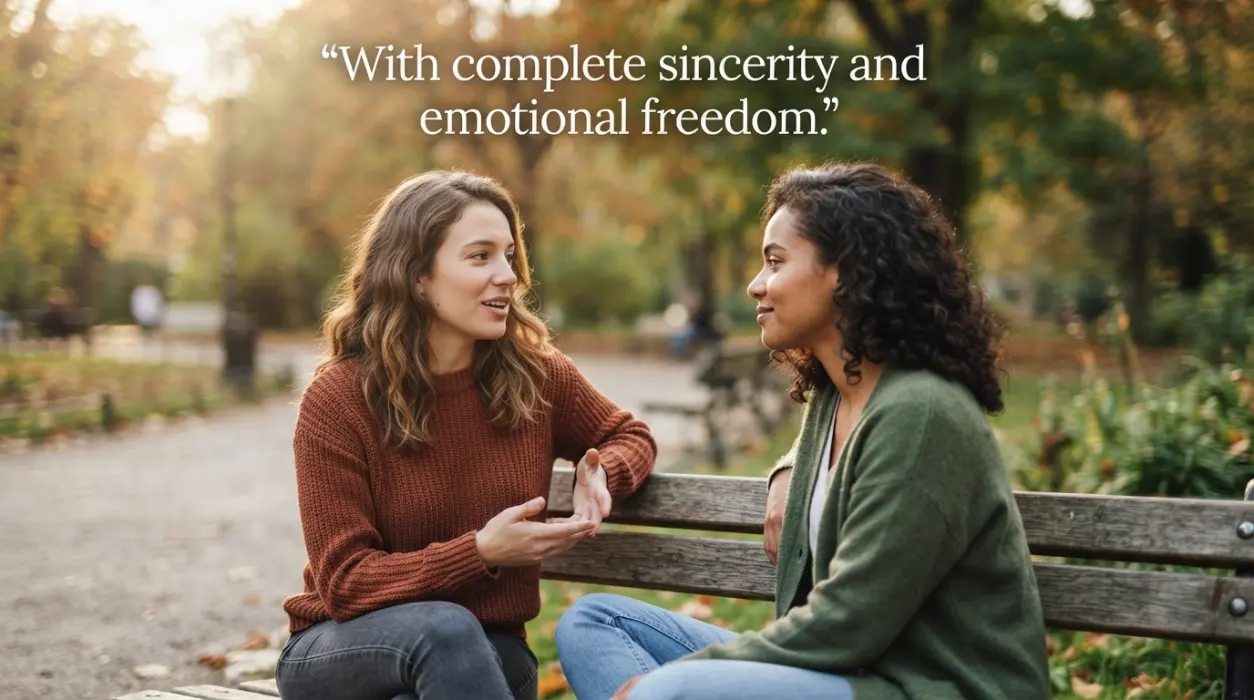
Wholeheartedly (Adverb) — US: /ˌhoʊlˈhɑːrtɪdli/ | UK: /ˌhəʊlˈhɑːtɪdli/
Meaning: With complete sincerity and emotional freedom.
Tone/Register: Positive; formal and conversational.
Example:
She embraced the new chapter wholeheartedly.
He pursued his dream wholeheartedly.
Synonyms by Tone
Positive
For an uplifting emotional tone, use liberated, empowered, carefree, fearless, confident, relieved, buoyant, lighthearted, unburdened, and at peace.
These words work well when freedom brings happiness, confidence, or emotional relief.
Neutral
For straightforward descriptions, choose independent, unrestricted, unconfined, relaxed, flexible, secure, unhampered, unimpeded, freely, and released.
These options work especially well in educational and professional writing.
Formal
Academic and professional writing often favors autonomous, unconstrained, unrestricted, unimpeded, self-governing, and unhampered.
These words sound precise without adding unnecessary emotion.
Informal or Playful
In casual conversation, on your own, your own person, room to breathe, footloose, carefree, and a weight off your shoulders sound natural.
Tone matters because the same basic idea can sound warm, technical, emotional, or playful depending on your choice.
Feeling Free vs Close Alternatives
“Feeling free” is broad and conversational. Liberated sounds stronger and often suggests release from a serious restriction.
Use “feeling free” for everyday situations. Choose “liberated” when the emotional release feels significant.
Feeling Free vs Independent
Independent focuses on self-reliance and personal decision-making. “Feeling free” focuses more directly on the emotional experience.
For example, a student may feel free during a vacation but become independent by managing life alone.
Feeling Free vs Carefree
Carefree specifically suggests freedom from worry. “Feeling free” has a wider meaning and can involve choices, movement, relationships, or emotions.
Therefore, use “carefree” when worry disappears and “feeling free” when restrictions generally disappear.
How “Feeling Free” Changes by Context
Daily Conversation
In everyday speech, simple phrases sound best. Native speakers commonly use free, relaxed, relieved, independent, on your own, and at ease.
For example, someone might say, “I finally feel free,” after leaving a stressful situation.
Writing and Blogging
Bloggers can choose more vivid alternatives to avoid repetition. Words such as liberated, carefree, empowered, unburdened, and unrestricted create stronger emotional descriptions.
However, always match the synonym with the exact context.
Professional and Academic Writing
Professional writing usually benefits from precise words. Autonomous, independent, unrestricted, unconstrained, and unimpeded can describe freedom without sounding overly emotional.
For example, “The researcher worked independently” sounds clearer than “The researcher felt free.”
Creative Writing
Creative writers can use expressive phrases such as footloose, unshackled, room to breathe, lighthearted, and open-hearted.
These choices help readers imagine the emotional experience rather than simply understand it.
Common Mistakes and Native Usage
One common mistake involves treating every freedom-related word as a perfect synonym. They are not interchangeable in every sentence.
For example, carefree means free from worry, while independent means able to act without relying on others. The difference matters.
Another mistake is using highly formal words in casual conversation. “Unimpeded” may sound unnatural when “free” or “unrestricted” would be clearer.
Similarly, “liberated” often carries stronger emotional meaning than “relaxed.” Use it when the situation genuinely involves release from control or pressure.
Register Notes
Informal: on your own, room to breathe, carefree, footloose
Neutral: free, relaxed, independent, relieved, flexible
Formal: autonomous, unimpeded, unconstrained, self-governing
Literary: unshackled, unbridled, unfettered, buoyant
For more vocabulary practice, you can connect this topic with related synonym guides elsewhere in your content.
Real-Life Mini Scenarios
Workplace
After completing a demanding project, an employee may feel relieved. If the company gives that employee greater decision-making power, the person may feel empowered or autonomous.
Social Situations
Someone who feels comfortable expressing opinions around friends may feel at ease, uninhibited, or unselfconscious.
The best choice depends on whether the focus is comfort, confidence, or emotional openness.
Travel
A traveler without a strict schedule may feel footloose, carefree, or unrestricted.
These words create a stronger picture of freedom than simply repeating “free.”
Storytelling
A character who escapes a controlling environment may feel liberated, unshackled, or unburdened.
Meanwhile, a character enjoying a peaceful afternoon may simply feel relaxed or lighthearted.
Practice Exercise
1. Which word best describes freedom from serious worry?
A. Autonomous
B. Carefree
C. Unimpeded
D. Self-governing
2. Which word best describes independent decision-making?
A. Independent
B. Relieved
C. Lighthearted
D. Buoyant
3. Which word sounds most formal in academic writing?
A. Footloose
B. Carefree
C. Autonomous
D. On your own
4. Which phrase means having enough emotional space to relax?
A. Room to breathe
B. Unimpeded
C. Self-governing
D. Released
5. Which word suggests strong emotional release from control?
A. Relaxed
B. Liberated
C. Flexible
D. Secure
6. Which word best describes freedom from pressure?
A. Unpressured
B. Bold
C. Open
D. Confident
7. Which expression is most natural in casual conversation?
A. On your own
B. Unconstrained
C. Unimpeded
D. Self-governing
8. Which word describes freedom from self-consciousness?
A. Unselfconscious
B. Autonomous
C. Relieved
D. Flexible
9. Which word describes freedom to change plans easily?
A. Flexible
B. Fearless
C. Released
D. Buoyant
10. Which word best describes freedom from emotional burden?
A. Unburdened
B. Open
C. Bold
D. Voluntary
Reflection Task: Write one sentence using any synonym for “feeling free.” Then explain why your chosen synonym fits better than the original phrase.
Answer Key: 1-B, 2-A, 3-C, 4-A, 5-B, 6-A, 7-A, 8-A, 9-A, 10-A
Conclusion
Learning synonyms for feeling free helps you express independence, relief, confidence, and emotional freedom with greater precision. Each alternative adds a slightly different meaning and tone to your writing.
For students, bloggers, content writers, and everyday English users, synonyms for feeling free can make sentences more natural and engaging. Words such as liberated, carefree, independent, and unburdened help readers understand exactly how someone feels.
With regular practice, synonyms for feeling free can strengthen your vocabulary and improve both speaking and writing. Try using these alternatives in emails, essays, stories, and daily conversations. Choose each word according to its context and tone, and your English will sound clearer, richer, and more confident.
Frequently Asked Questions
What is the best synonym for feeling free in everyday English?
The best everyday alternatives include relaxed, independent, carefree, relieved, at ease, and unrestricted. The right choice depends on the situation. “Relaxed” focuses on calmness, “independent” highlights self-reliance, and “carefree” emphasizes freedom from worry. For a general emotional meaning, “liberated” can work when the person feels strongly released from pressure or control.
What is a formal synonym for feeling free?
For formal or academic writing, autonomous, unconstrained, unrestricted, unimpeded, and self-governing are useful choices. “Autonomous” works especially well when discussing independent decision-making. “Unrestricted” focuses on the absence of limits, while “unimpeded” suggests freedom from obstacles. Choose the word that describes the exact type of freedom rather than simply replacing the phrase.
What word means feeling free from stress?
Relieved, relaxed, unburdened, untroubled, unpressured, and at peace can describe freedom from stress. “Relieved” usually follows the removal of a specific worry. “Relaxed” describes a calm state, while “unburdened” suggests that a heavy emotional responsibility has disappeared. These distinctions help your writing sound more natural and precise.
What is a synonym for feeling free to be yourself?
Useful choices include uninhibited, unselfconscious, open-hearted, confident, and comfortable. “Uninhibited” suggests freedom from social restraint, while “unselfconscious” means you are not overly concerned about judgment. “Open-hearted” emphasizes emotional openness. In casual English, “comfortable being yourself” is often the most natural expression.
What is a good synonym for feeling free after leaving a stressful situation?
Liberated, relieved, unburdened, freed, and unshackled can describe that experience. “Relieved” sounds natural when a specific problem ends. “Liberated” suggests a stronger emotional release. “Unshackled” is more dramatic and figurative. Therefore, your choice should depend on how intense the emotional change feels.
Which synonym for feeling free works best in creative writing?
Creative writing allows expressive words such as unshackled, unfettered, unbridled, footloose, buoyant, and lighthearted. These alternatives create atmosphere and emotion. For example, “unshackled” can suggest escape from control, while “footloose” creates a playful sense of travel and independence. Strong vocabulary can make a character’s emotional transformation more vivid.

Hasnain Ali is an SEO Content Strategist and the founder of wordvora.com, a trusted vocabulary platform that helps writers, students, professionals, and English learners find accurate synonyms, antonyms, word meanings, and real-life usage examples. He specializes in keyword research, on-page SEO, topical authority, and creating search-first content that aligns with Google’s latest Search Quality and E-E-A-T guidelines. His work focuses on producing clear, well-structured, and reader-friendly resources that satisfy search intent while maintaining high editorial standards.
Through extensive hands-on experience with SEO tools such as Google Search Console, Google Analytics, SEMrush, and Ahrefs, Hasnain researches user search behavior and develops content that is both informative and easy to understand. Every article published on wordvora.com is carefully reviewed for accuracy, readability, and contextual relevance before publication. His mission is to build one of the web’s most reliable English vocabulary resources by providing practical language guidance, trustworthy explanations, and content that helps readers improve their writing, communication, and vocabulary with confidence.