
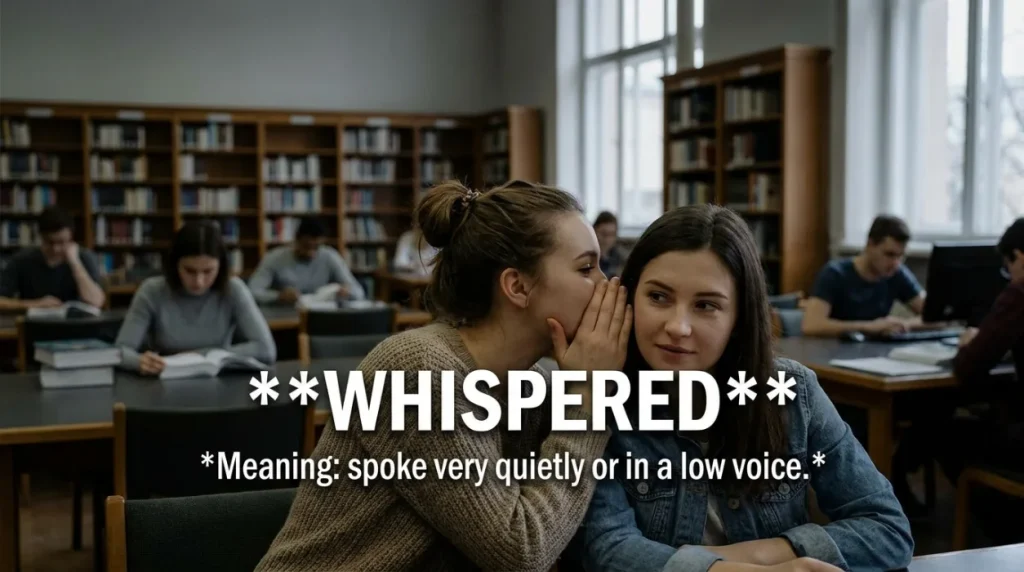
The word whispered is commonly used to describe speaking in a very soft or quiet voice. It is often used when someone wants to communicate privately, avoid being heard, or create a gentle and secretive tone.
There are many synonyms for whispered, including murmured, muttered, breathed, mumbled, murmured, and spoken quietly. The best synonym depends on the tone, volume, and situation in which the word is used.
Learning different alternatives to whispered can make your writing more expressive and engaging. These synonyms can help describe conversations, emotions, secrets, and quiet moments without repeatedly using the same word.
In this article, we will explore whispered synonyms, their meanings, and useful examples. Understanding these alternatives will help you expand your vocabulary and choose the right word for different writing and speaking situations.
What Does “Synonyms For Whispered” Really Mean?
Synonyms for whispered mean finding alternative verbs and phrases that express speaking softly, secretly, or breathlessly without using vocal cords fully. It sets up an intimate or secretive tone aimed at capturing quiet communication, confidential messages, or hesitant remarks.
Native speakers use these terms when discussing friends sharing secrets, lovers exchanging quiet promises, or actors delivering dramatic stage asides. It carries a diverse emotional tone ranging from warm romantic intimacy to chilling suspenseful secrecy. It usually suggests low volume, breathy articulation, and hidden communication.
Connotative Meaning
- Positive tone: Associated with sweet romantic confidences, gentle bedtime stories, and warm friendly sharing.
- Negative tone: Linked with malicious gossip, suspicious scheming, and secretive backroom plotting.
- Neutral tone: Used in stage direction notes, quiet library guides, and acoustic laboratory reports.
- Connotation definition: (The emotional or cultural feeling attached to a word or phrase beyond its strict dictionary definition).

Etymology
- Source Language: Old English hwīsprian, an imitative word mimicking the sound of soft breathing.
- Original Meaning: Originally meant speaking with soft breath without vocal vibration to keep words secret.
- Old English (450–1100): Early Germanic groups used imitative sound-roots for hushed nighttime speech.
- Middle English (1100–1500): Evolved into standard vernacular terms for secretive indoor conversations and prayer.
- Modern English (1500–Present): Fully established as standard literary and conversational verbs for low-volume speech.
Pronunciation (US & UK – IPA)
- US: /ˈsɪnənɪmz fɔːr ˈwɪspərd/
- UK: /ˈsɪnənɪmz fɔːr ˈwɪspəd/
Syllables & Affixation Pattern
- Syllables: syn-o-nyms-for-whis-pered
- Root: whisper (to speak softly) + -ed (past tense suffix)
- Prefixes: syn- (together)
- Suffix: -ed (past tense marker)
Synonyms List
Murmured (Verb) — US: /ˈmɜːrmərd/ — UK: /ˈmɜːməd/
- Meaning: Said something in a low, soft, or indistinct voice.
- Tone/Register: Literary, calm.
- Example: She murmured words of comfort to the sleepy child.
- Example: Guests murmured while waiting for the concert.
Muttered (Verb) — US: /ˈmʌtərd/ — UK: /ˈmʌtəd/
- Meaning: Said something in a low or barely audible voice, often in dissatisfaction.
- Tone/Register: Grumpy, common.
- Example: He muttered complaints about the long morning queue.
- Example: The tired worker muttered under his breath.
Muffled (Verb) — US: /ˈmʌfəld/ — UK: /ˈmʌfld/
- Meaning: Made a sound quieter or less clear.
- Tone/Register: Descriptive, acoustic.
- Example: Thick curtains muffled sounds coming from the busy street.
- Example: His voice sounded muffled through the closed wooden door.
Breathed (Verb) — US: /briːðd/ — UK: /briːðd/
- Meaning: Uttered softly or in a whisper.
- Tone/Register: Poetic, intimate.
- Example: She breathed a quiet sigh of relief after testing.
- Example: He breathed words of love into her ear.
Hissed (Verb) — US: /hɪst/ — UK: /hɪst/
- Meaning: Said something in a sharp, low whisper.
- Tone/Register: Tense, dramatic.
- Example: Be quiet, she hissed across the dark theater.
- Example: The angry guard hissed a warning at intruders.
Sighed (Verb) — US: /saɪd/ — UK: /saɪd/
- Meaning: Emitted a deep, audible breath expressing tiredness or relief, sometimes voiced.
- Tone/Register: Emotional, common.
- Example: Students sighed heavily when homework was announced.
- Example: She sighed softly while watching the sunset.
Uttered (Verb) — US: /ˈʌtərd/ — UK: /ˈʌtəd/
- Meaning: Made a sound or statement with one’s voice.
- Tone/Register: Formal, standard.
- Example: He never uttered a single word during the debate.
- Example: She uttered a gasp of surprise at the gift.
Spoke Softly (Verb phrase) — US: /spoʊk ˈsɔːftli/ — UK: /spəʊk ˈsɒftli/
- Meaning: Communicated using a low-volume voice.
- Tone/Register: Gentle, calm.
- Example: The librarian spoke softly in the reading room.
- Example: He spoke softly so as not to wake babies.
Lowed (Verb) — US: /laʊd/ — UK: /laʊd/
- Meaning: Uttered a low, soft vocal sound.
- Tone/Register: Rural, descriptive.
- Example: Cows lowed gently in the pasture at dusk.
- Example: The old horn lowed across the valley.
Sotto Voce (Adverb/Adjective) — US: /ˈsɒtoʊ ˈvoʊtʃeɪ/ — UK: /ˈsɒtəʊ ˈvəʊtʃeɪ/
- Meaning: In a quiet voice, out of an audience’s hearing.
- Tone/Register: Musical, formal.
- Example: The actor delivered lines sotto voce behind props.
- Example: She made comments sotto voce during speeches.
Confidential (Adjective acting as tone marker) — US: /ˌkɑːnfɪˈdɛnʃəl/ — UK: /ˌkɒnfɪˈdenʃl/
- Meaning: Spoken or written in confidence; secret.
- Tone/Register: Business, formal.
- Example: They shared confidential details in the quiet office.
- Example: Lawyers reviewed confidential client files securely.
Intimated (Verb) — US: /ˈɪntɪmeɪtɪd/ — UK: /ˈɪntɪmeɪtɪd/
- Meaning: Stated or made known indirectly.
- Tone/Register: Formal, literary.
- Example: The manager intimated changes coming to the schedule.
- Example: She intimated her plans to resign quietly.
Hinted (Verb) — US: /hɪntɪd/ — UK: /hɪntɪd/
- Meaning: Suggested or indicated something indirectly or covertly.
- Tone/Register: Casual, common.
- Example: Friends hinted at throwing a surprise birthday party.
- Example: Weather forecasts hinted at snow coming soon.
Implied (Verb) — US: /ɪmˈplaɪd/ — UK: /ɪmˈplaɪd/
- Meaning: Suggested something without stating it directly.
- Tone/Register: Academic, formal.
- Example: His remarks implied criticism of the new policy.
- Example: Data implied rising consumer interest in electric cars.
Suggested (Verb) — US: /səɡˈdʒɛstɪd/ — UK: /səˈdʒestɪd/
- Meaning: Put forward for consideration.
- Tone/Register: Polite, common.
- Example: She suggested trying the new downtown bakery.
- Example: Teachers suggested reading extra history books.
Purred (Verb) — US: /pɜːrd/ — UK: /pɜːd/
- Meaning: Spoke in a low, smooth, purring voice.
- Tone/Register: Seductive, descriptive.
- Example: The villain purred threats across the table.
- Example: She purred compliments to the chef.
Cooed (Verb) — US: /kuːd/ — UK: /kuːd/
- Meaning: Spoke in a soft, loving, or gentle voice.
- Tone/Register: Affectionate, tender.
- Example: New parents cooed over their sleeping newborn.
- Example: She cooed sweet words to her kitten.
Warbled (Verb) — US: /ˈwɔːrbəld/ — UK: /ˈwɔːbld/
- Meaning: Sang or spoke in a trilling or quavering voice.
- Tone/Register: Musical, literary.
- Example: Birds warbled melodies in the garden trees.
- Example: The singer warbled notes with skill.
Trilled (Verb) — US: /trɪld/ — UK: /trɪld/
- Meaning: Produced a quavering, high-pitched sound with the voice.
- Tone/Register: Musical, expressive.
- Example: She trilled a cheerful greeting to visitors.
- Example: Flutes trilled notes across the orchestra hall.
Chattered (Verb) — US: /ˈtætərd/ — UK: /ˈtætəd/
- Meaning: Talked rapidly and informally about trivial matters.
- Tone/Register: Casual, common.
- Example: Children chattered excitedly on the playground.
- Example: Friends chattered over coffee in cafes.
Gossiped (Verb) — US: /ˈɡɑːsəpt/ — UK: /ˈɡɒsəpt/
- Meaning: Talked about other people’s private lives uncharitably.
- Tone/Register: Informal, social.
- Example: Neighbors gossiped over backyard fence rails.
- Example: Colleagues gossiped during lunch breaks.
Rumored (Verb) — US: /ˈruːmərd/ — UK: /ˈruːməd/
- Meaning: Circulated as an unofficial story or report.
- Tone/Register: Informal, speculative.
- Example: Locals rumored that the old house was haunted.
- Example: Staff rumored upcoming corporate mergers.
Speculated (Verb) — US: /ˈspɛkjəˌleɪtɪd/ — UK: /ˈspekjuleɪtɪd/
- Meaning: Formed a theory without firm evidence.
- Tone/Register: Academic, formal.
- Example: Analysts speculated about future market trends.
- Example: Fans speculated on movie plot twists online.
Reported (Verb) — US: /rɪˈpɔːrtɪd/ — UK: /rɪˈpɔːtɪd/
- Meaning: Gave a spoken or written account of something.
- Tone/Register: Journalistic, formal.
- Example: Journalists reported breaking news from the capital.
- Example: Witnesses reported seeing unusual lights outside.

Announced (Verb) — US: /əˈnaʊnst/ — UK: /əˈnaʊnst/
- Meaning: Made a public and formal declaration.
- Tone/Register: Formal, public.
- Example: The principal announced the winners of the science fair.
- Example: Airlines announced flight delays over intercoms.
Declared (Verb) — US: /dɪˈklɛrd/ — UK: /dɪˈkleəd/
- Meaning: Said something in a solemn and emphatic manner.
- Tone/Register: Formal, legal.
- Example: The judge declared the session open.
- Example: He declared his intentions clearly to partners.
Proclaimed (Verb) — US: /prəˈkleɪmd/ — UK: /prəˈkleɪmd/
- Meaning: Announced publicly or officially.
- Tone/Register: Formal, grand.
- Example: Herald kings proclaimed holidays across towns.
- Example: Winners proclaimed victory on stage.
Stated (Verb) — US: /ˈsteɪtɪd/ — UK: /ˈsteɪtɪd/
- Meaning: Expressed something clearly and formally in speech or writing.
- Tone/Register: Formal, professional.
- Example: The witness stated facts clearly in court.
- Example: Guidelines stated rules for safety gear.
Confided (Verb) — US: /kənˈfaɪdɪd/ — UK: /kənˈfaɪdɪd/
- Meaning: Told someone about a secret or private matter with trust.
- Tone/Register: Intimate, personal.
- Example: She confided her worries to her best friend.
- Example: He confided secrets to his journal.
Whispered Confidences (Phrase variant) — US: /ˈwɪspərd ˈkɑːnfɪdənsəz/ — UK: /ˈwɪspəd ˈkɒnfɪdənsɪz/
- Meaning: Shared private thoughts in soft, hushed tones.
- Tone/Register: Intimate, literary.
- Example: Sisters exchanged whispered confidences late at night.
- Example: Lovers shared whispered confidences under moonlight.
Softly Spoken (Phrase variant) — US: /ˈsɔːftli ˈspoʊkən/ — UK: /ˈsɒftli ˈspəʊkən/
- Meaning: Speaking in a gentle, quiet tone.
- Tone/Register: Calm, polite.
- Example: The softly spoken teacher calmed anxious pupils.
- Example: He offered a softly spoken apology.
Low-Voiced (Adjective variant) — US: /loʊ vɔɪst/ — UK: /ləʊ vɔɪst/
- Meaning: Having a deep or quiet speaking voice.
- Tone/Register: Descriptive, common.
- Example: The low-voiced narrator began the documentary.
- Example: She greeted guests in a low-voiced tone.
Hushed Tones (Phrase variant) — US: /hʌʃt toʊnz/ — UK: /hʌʃt təʊnz/
- Meaning: Speaking very quietly out of respect or secrecy.
- Tone/Register: Descriptive, formal.
- Example: Visitors spoke in hushed tones inside cathedrals.
- Example: Mourners gathered in hushed tones at halls.
Breathless Utterance (Phrase variant) — US: /ˈbrɛθləs ˈʌtərəns/ — UK: /ˈθles ˈʌtərəns/
- Meaning: Words spoken quickly with hurried breathing.
- Tone/Register: Dramatic, literary.
- Example: She delivered a breathless utterance about danger.
- Example: The runner made a breathless utterance for help.
Faint Murmur (Phrase variant) — US: /feɪnt ˈmɜːrmər/ — UK: /feɪnt ˈmɜːmə/
- Meaning: A very quiet, indistinct sound of voice.
- Tone/Register: Descriptive, literary.
- Example: A faint murmur rippled through the audience.
- Example: He caught a faint murmur from the next room.
Quiet Voice (Phrase variant) — US: /ˈkwaɪət vɔɪs/ — UK: /ˈkwaɪət vɔɪs/
- Meaning: Speech delivered at low volume.
- Tone/Register: Common, everyday.
- Example: Parents taught children to use a quiet voice indoors.
- Example: She answered questions in a quiet voice.
Subdued Speech (Phrase variant) — US: /səbˈduːd spiːtʃ/ — UK: /səbˈdjuːd spiːtʃ/
- Meaning: Quiet, restrained verbal communication.
- Tone/Register: Formal, academic.
- Example: The courtroom maintained subdued speech during recesses.
- Example: Researchers used subdued speech near nesting birds.
Muted Tone (Phrase variant) — US: /ˈmjuːtɪd toʊn/ — UK: /ˈmjuːtɪd təʊn/
- Meaning: Softened or quieted vocal delivery.
- Tone/Register: Descriptive, artistic.
- Example: The gallery curator spoke in a muted tone.
- Example: Actors rehearsed scenes with a muted tone.
Low-Keyed Remark (Phrase variant) — US: /loʊ kiːd rɪˈmɑːrk/ — UK: /ləʊ kiːd rɪˈmɑːk/
- Meaning: An understated, quiet comment.
- Tone/Register: Casual, modern.
- Example: He made a low-key remark about the weather.
- Example: She offered a low-key remark on results.
Understated Comment (Phrase variant) — US: /ˈʌndərˌsteɪtɪd ˈkɑːmɛnt/ — UK: /ˈʌndəˌsteɪtɪd ˈkɒment/
- Meaning: Presentation of something with restraint.
- Tone/Register: Formal, journalistic.
- Example: Analysts offered an understated comment on profits.
- Example: The review featured an understated comment on art.
Reserved Statement (Phrase variant) — US: /rɪˈzɜːrvd ˈsteɪtmənt/ — UK: /rɪˈzɜːvd ˈsteɪtmənt/
- Meaning: Cautious and restrained verbal expression.
- Tone/Register: Formal, professional.
- Example: Diplomats issued a reserved statement on talks.
- Example: Officials provided a reserved statement to the media.

Guarded Utterance (Phrase variant) — US: /ˈɡɑːrdɪd ˈʌtərəns/ — UK: /ˈɡɑːdɪd ˈʌtərəns/
- Meaning: Carefully controlled and cautious speech.
- Tone/Register: Formal, literary.
- Example: The politician made a guarded utterance to reporters.
- Example: She offered a guarded utterance during interviews.
Cautious Whisper (Phrase variant) — US: /ˈkɔːʃəs ˈwɪspər/ — UK: /ˈkɔːʃəs ˈwɪspə/
- Meaning: A soft, careful, low-volume remark.
- Tone/Register: Descriptive, cautious.
- Example: He shared secrets in a cautious whisper.
- Example: She gave instructions in a cautious whisper.
Secretive Murmur (Phrase variant) — US: /ˈsiːkrətɪv ˈmɜːrmər/ — UK: /ˈsiːkrətɪv ˈmɜːmə/
- Meaning: A hidden, confidential low sound.
- Tone/Register: Suspicious, literary.
- Example: Spies exchanged secretive murmurs in alleys.
- Example: Thieves plotted with secretive murmurs.
Confidential Sotto (Phrase variant) — US: /ˌkɑːnfɪˈdɛnʃəl ˈsɒtoʊ/ — UK: /ˌkɒnfɪˈdenʃl ˈsɒtəʊ/
- Meaning: Private, low-volume communication.
- Tone/Register: Formal, elite.
- Example: Executives held a confidential sotto meeting.
- Example: Lawyers spoke in confidential sotto notes.
Soft Whispering (Phrase variant) — US: /ˈsɔːft ˈwɪspərɪŋ/ — UK: /ˈsɒft ˈwɪspərɪŋ/
- Meaning: Gentle, hushed vocal sounds.
- Tone/Register: Peaceful, descriptive.
- Example: Soft whispering filled the cozy library corner.
- Example: She enjoyed the soft whispering of autumn winds.
Low Murmuring (Phrase variant) — US: /loʊ ˈmɜːrmərɪŋ/ — UK: /ləʊ ˈmɜːmərɪŋ/
- Meaning: Continuous quiet talking sounds.
- Tone/Register: Ambient, common.
- Example: Low murmuring came from the crowded lobby.
- Example: He listened to low murmuring in hallways.
Quiet Mutter (Phrase variant) — US: /ˈkwaɪət ˈmʌtər/ — UK: /ˈkwaɪət ˈmʌtə/
- Meaning: A suppressed, grumbling low remark.
- Tone/Register: Casual, moody.
- Example: A mutter escaped his lips in frustration.
- Example: She answered with a mutter.
Hush (Noun/Verb variant) — US: /hʌʃ/ — UK: /hʌʃ/
- Meaning: Silence or a request for quiet.
- Tone/Register: Common, imperative.
- Example: A sudden hush fell across the noisy room.
- Example: The librarian whispered hush to loud students.
Quiet Word (Phrase variant) — US: /ˈkwaɪət wɜːrd/ — UK: /ˈkwaɪət wɜːd/
- Meaning: A private conversation between two people.
- Tone/Register: Friendly, professional.
- Example: The manager asked for a quiet word outside.
- Example: She had a quiet word with her teammate.
Side Comment (Phrase variant) — US: /saɪd ˈkɑːmɛnt/ — UK: /saɪd ˈkɒment/
- Meaning: An incidental, quiet remark made aside from the main talk.
- Tone/Register: Informal, common.
- Example: He whispered a funny side comment during lectures.
- Example: She made a side comment about the slide.
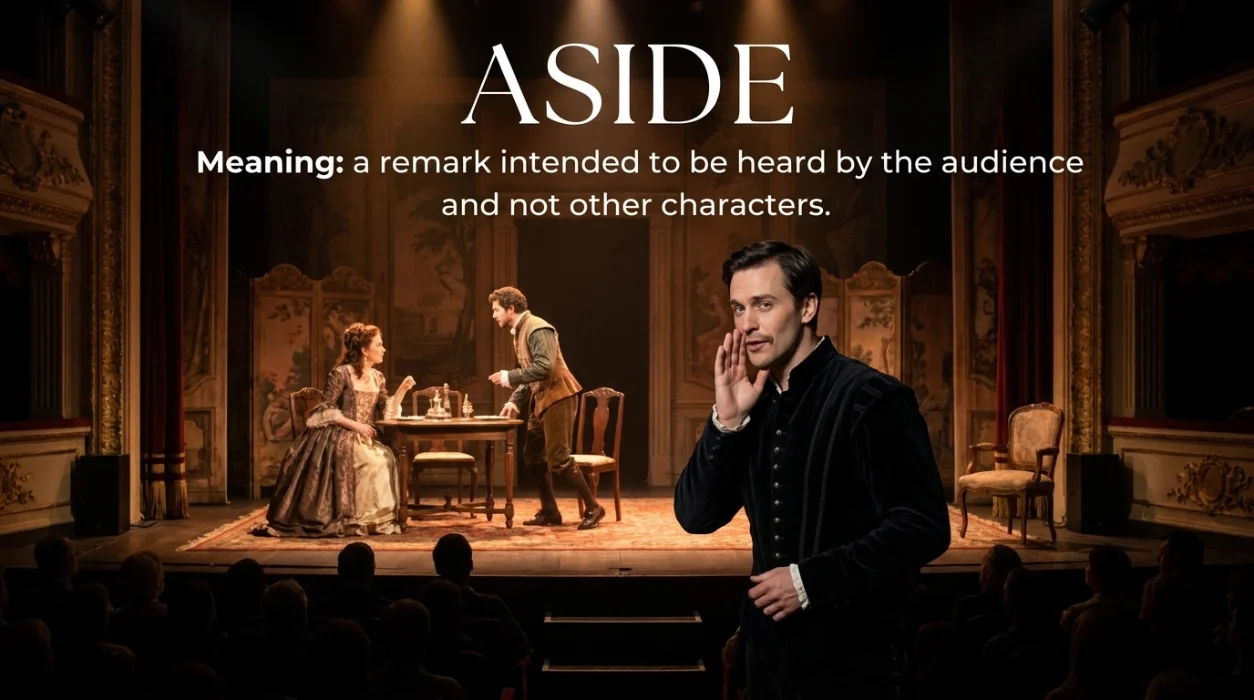
Aside (Noun role) — US: /əˈsaɪd/ — UK: /əˈsaɪd/
- Meaning: A remark intended to be heard by the audience and not other characters.
- Tone/Register: Theatrical, literary.
- Example: The actor delivered a witty aside to viewers.
- Example: Playwrights used asides for inner character monologues.
Subdued Voice (Phrase variant) — US: /səbˈduːd vɔɪs/ — UK: /səbˈdjuːd vɔɪs/
- Meaning: Controlled, quiet vocal tone.
- Tone/Register: Formal, calm.
- Example: Students talked in a subdued voice during tests.
- Example: He spoke in a subdued voice at memorials.
Quiet Hiss (Phrase variant) — US: /ˈkwaɪət hɪst/ — UK: /ˈkwaɪət hɪst/
- Meaning: A sharp, hushed warning sound.
- Tone/Register: Tense, dramatic.
- Example: She gave a quiet hiss to silence the dog.
- Example: He uttered a quiet hiss of pain.
Low Breath (Phrase variant) — US: /loʊ brɛθ/ — UK: /ləʊ breθ/
- Meaning: Softly breathed words without vocal vibration.
- Tone/Register: Poetic, intimate.
- Example: Words escaped on a low breath of air.
- Example: She spoke her fears on a low breath.
Synonyms by Tone
Choosing the right alternative depends entirely on whether you want to sound intimate, dramatic, or formal.
- Positive tone: Murmured, cooed, breathed, softly spoken, confided.
- Neutral tone: Spoke softly, muttered, reported, stated, announced.
- Negative tone: Hissed, gossiped, muttered angrily, rumored.
- Playful/informal tone: Chattered, side comment, muttered.
Tone matters because calling a sweet bedtime story hissed sounds harsh and alarming, whereas describing a sharp theater warning as cooed completely misses the tense drama of the moment.
Mini Comparison: Whispered vs. Murmured vs. Muttered
- Whispered emphasizes speaking softly using breath instead of vocal cords to maintain secrecy.
- Murmured highlights a low, soft, continuous vocal sound, often expressing comfort or gentle feelings.
- Muttered focuses on low-volume speech uttered indistinctly, usually out of irritation or complaint.
Use whispered for secret communication, murmured for gentle comforting sounds, and muttered for grumpy complaints.
Context-Based Usage
- Daily conversation: In casual talk, native speakers use friendly phrases like spoke softly, quiet voice, or muttered.
- Writing or blogging: Authors use evocative terms like murmured, breathed, or hissed to build rich prose.
- Professional or academic tone: Specialists rely on precise terms like stated, reported, or subdued speech.
- Creative or informal use: Bloggers employ vivid terms like chattered or side comment to describe dialogue.
Common Mistakes & Native Usage
Common Mistakes Learners Make
- Misuse scenarios: Applying harsh dramatic verbs like hissed to describe a warm mother comforting a child.
- Confusing tone: Mixing formal journalistic words like reported into intimate romantic dialogues.
- Overuse warnings: Repeating the same speech verb throughout an essay makes your vocabulary feel repetitive rather than rich.
Register Notes
- Spoken chats favor direct phrases like spoke softly and whispered.
- Written essays reward descriptive choices like murmured, breathed, and confided.
Real-Life Mini Scenarios
- Workplace: Office colleagues shared confidential project notes in a quiet voice during meetings.
- Social situations: Friends exchanged whispered confidences across coffee tables at cafes.
- Media/pop culture: Movie characters delivered tense asides and hissed warnings in thrillers.
- Writing or storytelling: Authors revised book manuscripts, replacing basic verbs with murmured for literary depth.
Conclusion
In conclusion, whispered is a useful word for describing speech delivered in a very soft or quiet voice. It is often used in situations involving privacy, secrecy, or gentle communication.
There are several effective synonyms for whispered, including murmured, muttered, mumbled, breathed, and spoke quietly. Choosing the right alternative can add variety and emotion to your writing.
By understanding whispered and its related synonyms, you can improve your vocabulary and make your sentences more descriptive. Using these alternatives appropriately will help you communicate different tones and situations more effectively.
Practice Quiz
- Which verb best describes speaking softly using breath instead of vocal cords for secrecy?
- A) Whispered
- B) Screamed
- C) Yelled
- D) Shouted
- What emotional tone does the positive, tender term cooed typically carry?
- A) Affectionate and loving
- B) Angry and hostile
- C) Cold and formal
- D) Bitter and sad
- Which term is ideal for describing low, indistinct speech uttered out of complaint?
- A) Muttered
- B) Cheered
- C) Praised
- D) Applauded
- If actors deliver a sharp, low warning sound across a dark stage, they have:
- A) Hissed
- B) Sang
- C) Slept
- D) Danced
- The refined musical term for speaking quietly out of an audience’s hearing is:
- A) Sotto voce
- B) Loudly
- C) Noisily
- D) Boldly
- What part of speech category do words like whispered and murmured belong to?
- A) Verbs (Past tense)
- B) Nouns only
- C) Conjunctions only
- D) Interjections only
- Which expression is a common casual phrase for talking privately in low tones?
- A) Spoke softly
- B) Shouted aloud
- C) Cried out
- D) Sang loudly
- Describing comfort words spoken to a sleepy child uses the term:
- A) Murmured
- B) Yelled
- C) Bellowed
- D) Roared
- The formal academic term for a cautious statement or speech is:
- A) Guarded utterance
- B) Scream
- C) Wild yell
- D) Harsh cry
- Which word describes friends talking casually about trivial matters?
- A) Chattered
- B) Whispered
- C) Hissed
- D) Cried
Reflection Task
Write one short, original sentence using the word murmured to describe comforting words.
Answer Key: 1: A | 2: A | 3: A | 4: A | 5: A | 6: A | 7: A | 8: A | 9: A | 10: A
FAQs
1. What does “whispered” mean?
“Whispered” means speaking very softly or quietly, usually so that other people cannot easily hear.
2. What are the synonyms for “whispered”?
Common synonyms include murmured, muttered, mumbled, breathed, and spoke softly.
3. Is “murmured” a synonym for “whispered”?
Yes. “Murmured” can be used when someone speaks in a low, soft, or quiet voice, although it does not always imply a whisper.
4. How do you use “whispered” in a sentence?
Example: “She whispered the secret to her friend.”
5. What is the opposite of “whispered”?
Depending on the context, possible opposites include shouted, yelled, screamed, and called out.

Hasnain Ali is an SEO Content Strategist and the founder of wordvora.com, a trusted vocabulary platform that helps writers, students, professionals, and English learners find accurate synonyms, antonyms, word meanings, and real-life usage examples. He specializes in keyword research, on-page SEO, topical authority, and creating search-first content that aligns with Google’s latest Search Quality and E-E-A-T guidelines. His work focuses on producing clear, well-structured, and reader-friendly resources that satisfy search intent while maintaining high editorial standards.
Through extensive hands-on experience with SEO tools such as Google Search Console, Google Analytics, SEMrush, and Ahrefs, Hasnain researches user search behavior and develops content that is both informative and easy to understand. Every article published on wordvora.com is carefully reviewed for accuracy, readability, and contextual relevance before publication. His mission is to build one of the web’s most reliable English vocabulary resources by providing practical language guidance, trustworthy explanations, and content that helps readers improve their writing, communication, and vocabulary with confidence.