

The word zen is commonly associated with a state of calmness, peace, balance, and inner tranquility. It is often used to describe a relaxed mindset or an atmosphere that promotes peacefulness and mindfulness.
There are several synonyms for zen, including peaceful, calm, serene, tranquil, relaxed, composed, and harmonious. The best alternative depends on the context and the particular quality of calmness or balance being described.
Understanding different alternatives to zen can make your writing more expressive and help you communicate feelings of peace and relaxation more clearly. These synonyms can be useful when describing people, places, experiences, or states of mind.
In this article, we will explore zen synonyms, their meanings, and useful examples. Learning these related words will help you expand your vocabulary and choose the most suitable expression for different writing and communication situations.
What Does “Synonyms For Zen” Really Mean?
Synonyms for zen mean finding alternative adjectives and phrases that express a state of calm, relaxed, and focused peace of mind. It sets up a peaceful or meditative tone aimed at capturing tranquility, mental clarity, emotional balance, or quiet harmony.
Native speakers use these terms when discussing peaceful meditation spaces, balanced lifestyle habits, or serene artistic focus. It carries a diverse emotional tone ranging from warm restorative praise to clinical detachment. It usually suggests emotional stability, quiet relaxation, and mental stillness.
Connotative Meaning
- Positive tone: Associated with deep inner peace, restorative calm, and inspiring mindful clarity.
- Negative tone: Linked with perceived apathy, emotional detachment, and unhealthy passivity.
- Neutral tone: Used in psychological stress studies, wellness industry reports, and lifestyle descriptions.
- Connotation definition: (The emotional or cultural feeling attached to a word or phrase beyond its strict dictionary definition).
Etymology
- Source Language: Japanese zen (derived from Chinese chan, from Sanskrit dhyana meaning meditation).
- Original Meaning: Originally meant a school of Mahayana Buddhism emphasizing meditation and intuition.
- Old English (450–1100): Not present in Old English, as it entered Western vocabulary much later through Asian philosophy.
- Middle English (1100–1500): Absent during this era; the concept arrived during modern global cultural exchanges.
- Modern English (1500–Present): Fully established as a popular adjective and noun for calm relaxation and mindfulness.
Pronunciation (US & UK – IPA)
- US: /ˈsɪnənɪmz fɔːr zɛn/
- UK: /ˈsɪnənɪmz fɔːr zen/
Syllables & Affixation Pattern
- Syllables: syn-o-nyms-for-zen
- Root: zen (meditation state) + synonyms (alternative words)
- Prefixes: syn- (together)
- Suffix: None for the root term zen.
Synonyms List
Peaceful (Adjective) — US: /ˈpiːsfəl/ — UK: /ˈpiːsfəl/
- Meaning: Free from disturbance; tranquil.
- Tone/Register: Calm, common.
- Example: She enjoyed a peaceful morning in the garden.
- Example: The lake remained peaceful at sunrise.
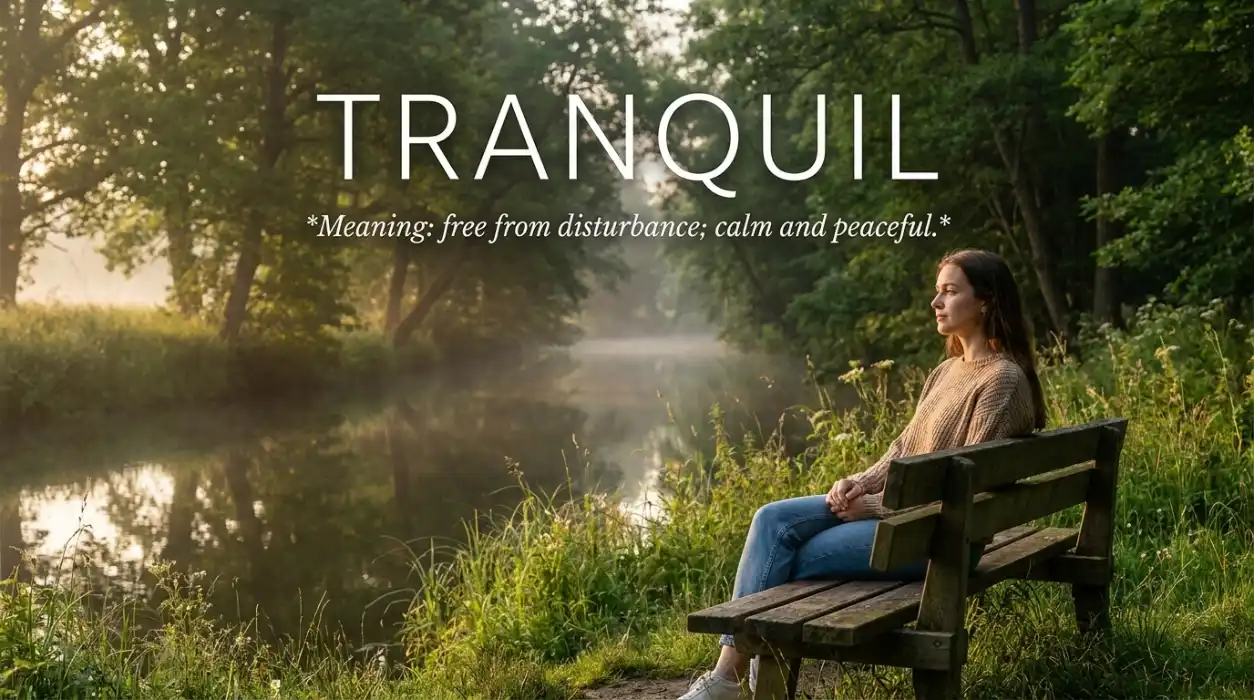
Tranquil (Adjective) — US: /ˈtræŋkwɪl/ — UK: /ˈtræŋkwɪl/
- Meaning: Free from disturbance; calm.
- Tone/Register: Formal, descriptive.
- Example: Visitors walked through tranquil forest trails.
- Example: The spa offered a tranquil healing environment.
Calm (Adjective) — US: /kɑːm/ — UK: /kɑːm/
- Meaning: Not showing or feeling nervousness, anger, or other strong emotions.
- Tone/Register: Everyday, common.
- Example: He stayed calm during the crisis.
- Example: Deep breathing kept her calm under pressure.
Serene (Adjective) — US: /səˈriːn/ — UK: /səˈriːn/
- Meaning: Calm, peaceful, and untroubled.
- Tone/Register: Literary, elegant.
- Example: The mountain lake looked serene at dusk.
- Example: She maintained a serene smile throughout.
Mindful (Adjective) — US: /ˈmaɪndfəl/ — UK: /ˈmaɪndfəl/
- Meaning: Focused on being aware of the present moment.
- Tone/Register: Modern, wellness.
- Example: Daily meditation helps people stay mindful.
- Example: She took mindful breaths before speaking.
Meditative (Adjective) — US: /ˈmɛdɪteɪtɪv/ — UK: /ˈmedɪteɪtɪv/
- Meaning: Of, involving, or absorbed in meditation or deep thought.
- Tone/Register: Reflective, formal.
- Example: Painting offered him a meditative escape.
- Example: Soft music created a meditative atmosphere.
Relaxed (Adjective) — US: /rɪˈlækst/ — UK: /rɪˈlækst/
- Meaning: Free from tension and anxiety.
- Tone/Register: Casual, common.
- Example: Vacationers felt relaxed near the ocean.
- Example: Warm tea helped him feel relaxed.
Untroubled (Adjective) — US: /ʌnˈtrʌbəld/ — UK: /ʌnˈtrʌbəld/
- Meaning: Not burdened by anxiety, worry, or problems.
- Tone/Register: Peaceful, descriptive.
- Example: She lived an untroubled life in the countryside.
- Example: His untroubled expression showed total ease.
Unflappable (Adjective) — US: /ʌnˈflæpəbəl/ — UK: /ʌnˈflæpəbəl/
- Meaning: Having or showing calmness in a crisis.
- Tone/Register: Informal, admiring.
- Example: The pilot remained unflappable during turbulence.
- Example: An unflappable manager handled client complaints well.
Equanimous (Adjective) — US: /ɪˈkwɒnɪməs/ — UK: /ɪˈkwɒnɪməs/
- Meaning: Showing mental calmness and evenness of temper.
- Tone/Register: Formal, academic.
- Example: Philosophers praised her equanimous response to defeat.
- Example: An equanimous leader navigated the dispute.
Placid (Adjective) — US: /ˈplæsɪd/ — UK: /ˈplæsɪd/
- Meaning: Not easily upset or excited; calm and peaceful.
- Tone/Register: Descriptive, literary.
- Example: Cows grazed across the placid meadow.
- Example: The river surface remained placid all afternoon.
Halcyon (Adjective) — US: /ˈhælsiən/ — UK: /ˈhælsiən/
- Meaning: Denoting a period of time in the past that was idyllically happy and peaceful.
- Tone/Register: Poetic, literary.
- Example: Elders reminisced about their halcyon youth.
- Example: The valley enjoyed halcyon summer days.
Harmonious (Adjective) — US: /hɑːrˈmoʊniəs/ — UK: /hɑːˈməʊniəs/
- Meaning: Formed by pleasingly consistent parts; free from disagreement.
- Tone/Register: Balanced, formal.
- Example: Neighbors built a harmonious community council.
- Example: Colors blended in a harmonious palette.
Balanced (Adjective) — US: /ˈbælənst/ — UK: /ˈbælənst/
- Meaning: Keeping or showing a balance; emotionally steady.
- Tone/Register: Practical, common.
- Example: She maintained a balanced work routine.
- Example: A balanced diet supports mental wellness.
Centered (Adjective) — US: /ˈsɛntərd/ — UK: /ˈsentəd/
- Meaning: Mentally and emotionally stable; poised.
- Tone/Register: Wellness, modern.
- Example: Yoga practice helped him feel centered.
- Example: She stayed centered despite chaotic schedules.
Poised (Adjective) — US: /pɔɪzd/ — UK: /pɔɪzd/
- Meaning: Having a composed and self-assured manner.
- Tone/Register: Elegant, professional.
- Example: The speaker remained poised under tough questioning.
- Example: Dancers stood poised before the curtain rose.
Composed (Adjective) — US: /kəmˈpoʊzd/ — UK: /kəmˈpəʊzd/
- Meaning: Having one’s feelings and expression under control; calm.
- Tone/Register: Formal, controlled.
- Example: Doctors stayed composed during emergencies.
- Example: She gave a composed speech to investors.
Phlegmatic (Adjective) — US: /flɛɡˈmætɪk/ — UK: /flɛɡˈmætɪk/
- Meaning: Having an unemotional and stolidly calm disposition.
- Tone/Register: Formal, psychological.
- Example: His phlegmatic reaction surprised anxious colleagues.
- Example: The detective maintained a phlegmatic stance.
Collected (Adjective) — US: /kəˈlɛktɪd/ — UK: /kəˈlektɪd/
- Meaning: Cool, calm, and self-controlled.
- Tone/Register: Professional, composed.
- Example: The captain stayed collected during the storm.
- Example: Witnesses remained collected while giving statements.
Imperturbable (Adjective) — US: /ˌɪmpərˈtɜːrbəbəl/ — UK: /ˌɪmpəˈtɜːbəbəl/
- Meaning: Unable to be upset or excited; calm.
- Tone/Register: Formal, literary.
- Example: The monk had an imperturbable, peaceful aura.
- Example: Judges showed imperturbable patience in trials.
Stolid (Adjective) — US: /ˈstɒlɪd/ — UK: /ˈstɒlɪd/
- Meaning: Calm, dependable, and showing little emotion.
- Tone/Register: Serious, formal.
- Example: Guards stood in stolid silence outside.
- Example: Farmers showed stolid endurance through drought.
Sanguine (Adjective) — US: /ˈsæŋɡwɪn/ — UK: /ˈsæŋɡwɪn/
- Meaning: Optimistic or positive, especially in an apparently bad or difficult situation.
- Tone/Register: Literary, formal.
- Example: Founders remained sanguine about startup growth.
- Example: She kept a sanguine outlook despite setbacks.

Unruffled (Adjective) — US: /ʌnˈrʌfəld/ — UK: /ʌnˈrʌfəld/
- Meaning: Not disordered or perturbed; calm.
- Tone/Register: Descriptive, steady.
- Example: She walked through crowds looking unruffled.
- Example: The receptionist remained unruffled by lines.
Unperturbed (Adjective) — US: /ˌʌnpərˈtɜːrbd/ — UK: /ˌʌnpəˈtɜːbd/
- Meaning: Unconcerned and unworried; calm.
- Tone/Register: Formal, descriptive.
- Example: He sat unperturbed amidst loud noise.
- Example: Investors remained unperturbed by brief market dips.
Untapped (Adjective) — US: /ʌnˈtæpt/ — UK: /ʌnˈtæpt/
- Meaning: Not yet exploited or drawn upon (metaphorically, quiet potential).
- Tone/Register: Business, descriptive.
- Example: Companies explored untapped renewable energy sources.
- Example: She unlocked untapped creative patience.
Quiet (Adjective) — US: /ˈkwaɪət/ — UK: /ˈkwaɪət/
- Meaning: Making little or no noise; calm or peaceful.
- Tone/Register: Common, everyday.
- Example: Libraries provide quiet study spaces.
- Example: They shared a quiet evening at home.
Still (Adjective) — US: /stɪl/ — UK: /stɪl/
- Meaning: Not moving or making a sound; calm.
- Tone/Register: Descriptive, quiet.
- Example: The night air remained perfectly still.
- Example: Water in the pond looked glass-still.
Hush (Adjective) — US: /hʌʃ/ — UK: /hʌʃ/
- Meaning: Making or accompanied by silence or quietness.
- Tone/Register: Poetic, soft.
- Example: A hush fell over the audience.
- Example: The forest held a hush during snowfall.
Mellow (Adjective) — US: /ˈmɛloʊ/ — UK: /ˈmeləʊ/
- Meaning: Pleasantly smooth or soft; relaxed.
- Tone/Register: Casual, warm.
- Example: Soft lighting created a mellow mood.
- Example: They listened to mellow jazz records.
Easygoing (Adjective) — US: /ˈiːziˌɡoʊɪŋ/ — UK: /ˈiːziˌɡəʊɪŋ/
- Meaning: Relaxed and tolerant in approach or manner.
- Tone/Register: Friendly, casual.
- Example: The teacher had an easygoing attitude.
- Example: Staff enjoyed working with easygoing supervisors.
Laid-back (Adjective) — US: /leɪd bæk/ — UK: /leɪd bæk/
- Meaning: Relaxed and easygoing; unconcerned.
- Tone/Register: Informal, casual.
- Example: Coastal towns have a laid-back vibe.
- Example: He kept a laid-back approach to travel.
Chill (Adjective) — US: /tʃɪl/ — UK: /tʃɪl/
- Meaning: Very relaxed or easygoing.
- Tone/Register: Slang, informal.
- Example: Friends gathered for a chill weekend hangout.
- Example: She stayed chill before her presentation.
Carefree (Adjective) — US: /ˈkɛrˌfriː/ — UK: /ˈkeəfriː/
- Meaning: Free from anxiety or responsibility.
- Tone/Register: Relaxed, positive.
- Example: Children enjoyed carefree days outside.
- Example: Campers relished carefree mountain retreats.
Untwisted (Adjective) — US: /ʌnˈtwɪstɪd/ — UK: /ʌnˈtwɪstɪd/
- Meaning: Freed from tension or knots; relaxed.
- Tone/Register: Descriptive, physical.
- Example: Massage therapy left muscles untwisted and loose.
- Example: She felt her worries come untwisted.
Unburdened (Adjective) — US: /ʌnˈbɜːrdənd/ — UK: /ʌnˈbɜːdənd/
- Meaning: Free from a heavy load or worry.
- Tone/Register: Emotional, literary.
- Example: Confessing brought an unburdened sense of peace.
- Example: Travelers felt unburdened leaving debt behind.
Soulful (Adjective) — US: /ˈsoʊlfəl/ — UK: /ˈsəʊlfəl/
- Meaning: Expressing deep feeling or spiritual depth.
- Tone/Register: Expressive, artistic.
- Example: Musicians played soulful acoustic guitar melodies.
- Example: Her paintings captured soulful introspection.
Zen-like (Adjective) — US: /zɛn laɪk/ — UK: zen laik/
- Meaning: Exhibiting calm, meditative mindfulness.
- Tone/Register: Modern, descriptive.
- Example: Chefs worked with zen-like focus in kitchens.
- Example: The room featured minimalist zen-like decor.
Meditative Flow (Phrase variant) — US: /ˈmɛdɪteɪtɪv floʊ/ — UK: /ˈmedɪteɪtɪv fləʊ/
- Meaning: A continuous state of focused calm immersion.
- Tone/Register: Modern, psychological.
- Example: Writers entered a meditative flow while drafting.
- Example: Artisans worked in a meditative flow.
Inner Peace (Phrase variant) — US: /ˈɪnər piːs/ — UK: /ˈɪnə piːs/
- Meaning: A state of being psychologically or spiritually at peace.
- Tone/Register: Wellness, emotional.
- Example: Meditation practices fostered lasting inner peace.
- Example: She sought inner peace through nature walks.
Mindful Calm (Phrase variant) — US: /ˈmaɪndfəl kɑːm/ — UK: /ˈmaɪndfəl kɑːm/
- Meaning: Conscious tranquility and awareness.
- Tone/Register: Wellness, modern.
- Example: Breathing exercises generated mindful calm instantly.
- Example: Instructors taught mindful calm techniques.
Quietude (Noun) — US: /ˈkwaɪɪtjuːd/ — UK: /ˈkwʌɪɪtjuːd/
- Meaning: A state of stillness, calmness, and quiet.
- Tone/Register: Literary, formal.
- Example: Morning quietude filled the empty library.
- Example: Writers cherished the quietude of dawn.
Serenity (Noun) — US: /səˈrɛnɪti/ — UK: /səˈrenɪti/
- Meaning: The state of being calm, peaceful, and untroubled.
- Tone/Register: Elevated, formal.
- Example: Nature reserves offered complete serenity.
- Example: She found serenity through painting.
Tranquility (Noun) — US: /træŋˈkwɪlɪti/ — UK: /træŋˈkwɪlɪti/
- Meaning: The quality or state of being tranquil.
- Tone/Register: Formal, peaceful.
- Example: The garden symbolized peace and tranquility.
- Example: Vacation homes promised rural tranquility.
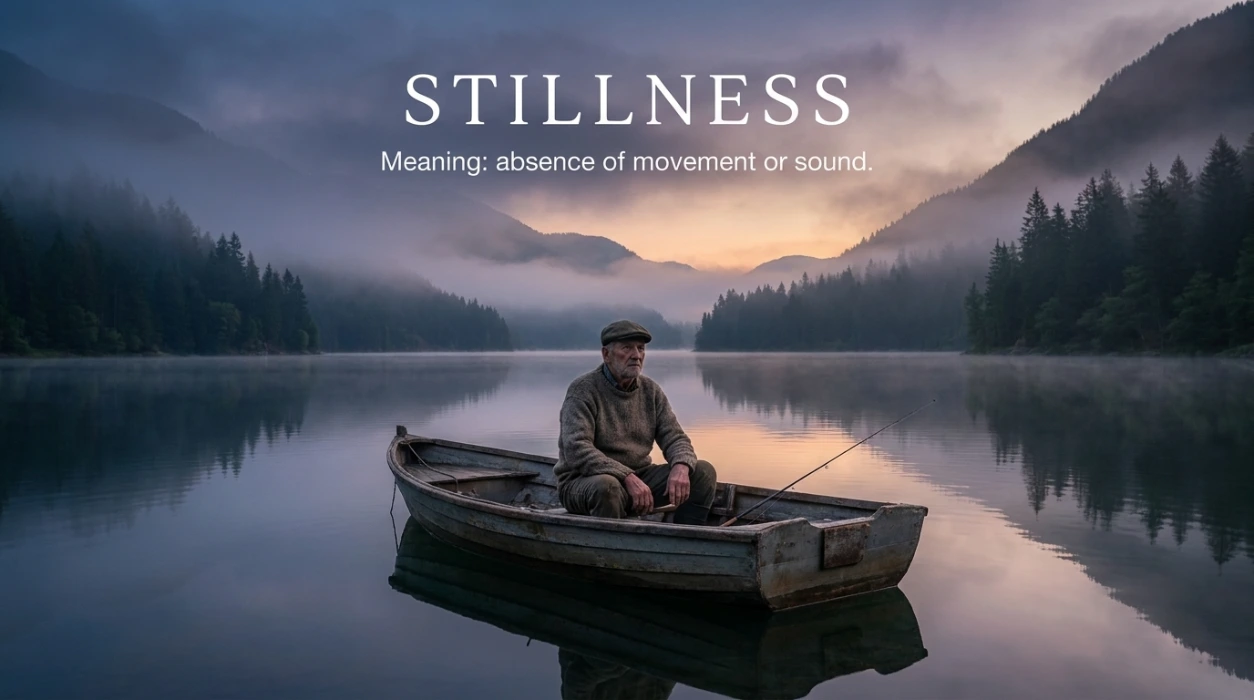
Stillness (Noun) — US: /ˈstɪlnəs/ — UK: /ˈstɪlnəs/
- Meaning: Absence of movement or sound.
- Tone/Register: Descriptive, calm.
- Example: Deep stillness settled over the sleeping house.
- Example: Photographers captured forest stillness at dawn.
Repose (Noun) — US: /rɪˈpoʊz/ — UK: /rɪˈpəʊz/
- Meaning: A state of rest, sleep, or tranquility.
- Tone/Register: Literary, formal.
- Example: The cat lay in peaceful repose.
- Example: Workers found quiet repose during lunch.
Pacifism (Noun) — US: /ˈpæsɪfɪzəm/ — UK: /ˈpæsɪfɪzəm/
- Meaning: Belief in peaceful resolution.
- Tone/Register: Political, formal.
- Example: Philosophers debated principles of pacifism.
- Example: Activists promoted global pacifism.
Placidness (Noun) — US: /ˈplæsɪdnəs/ — UK: /ˈplæsɪdnəs/
- Meaning: The quality of being calm and peaceful.
- Tone/Register: Descriptive, formal.
- Example: Her placidness calmed anxious team members.
- Example: The bay’s placidness invited morning swimming.
Calmness (Noun) — US: /ˈkɑːmnəs/ — UK: /ˈkɑːmnəs/
- Meaning: State of being calm.
- Tone/Register: Common, everyday.
- Example: Nurses maintained professional calmness under stress.
- Example: Yoga fostered inner calmness and strength.
Ataraxia (Noun) — US: /ˌætəˈræksiə/ — UK: /ˌatəˈraksiə/
- Meaning: A state of freedom from emotional disturbance and anxiety.
- Tone/Register: Philosophical, rare.
- Example: Ancient Stoics sought total ataraxia.
- Example: Philosophy students studied paths to ataraxia.
Halcyon Days (Noun phrase) — US: /ˈhælsiən deɪz/ — UK: /ˈhælsiən deɪz/
- Meaning: Times of peace and happiness.
- Tone/Register: Poetic, nostalgic.
- Example: Older people remembered the halcyon days of youth.
- Example: The region experienced halcyon days of growth.
Unflappability (Noun) — US: /ʌnˌflæpəˈbɪlɪti/ — UK: /ʌnˌflæpəˈbɪlɪti/
- Meaning: The quality of staying calm in crises.
- Tone/Register: Professional, admiring.
- Example: Her unflappability impressed executive board members.
- Example: First responders showed remarkable unflappability.
Equanimity (Noun) — US: /ˌiːkwəˈnɪmɪti/ — UK: /ˌiːkwəˈnɪmɪti/
- Meaning: Mental calmness, composure, and evenness of temper.
- Tone/Register: Formal, elevated.
- Example: She faced criticism with admirable equanimity.
- Example: Meditation builds lasting emotional equanimity.
Mindfullness (Noun) — US: /ˈmaɪndfʊlnəs/ — UK: /ˈmaɪndfʊlnəs/
- Meaning: Mental state achieved by focusing awareness on the present.
- Tone/Register: Wellness, modern.
- Example: Schools introduced mindfulness classes for students.
- Example: Daily mindfulness reduced student stress.
Centeredness (Noun) — US: /ˈsɛntərdnəs/ — UK: /ˈsentədndəs/
- Meaning: The state of being emotionally stable and balanced.
- Tone/Register: Wellness, modern.
- Example: Martial arts training developed physical centeredness.
- Example: She practiced breathing for inner centeredness.
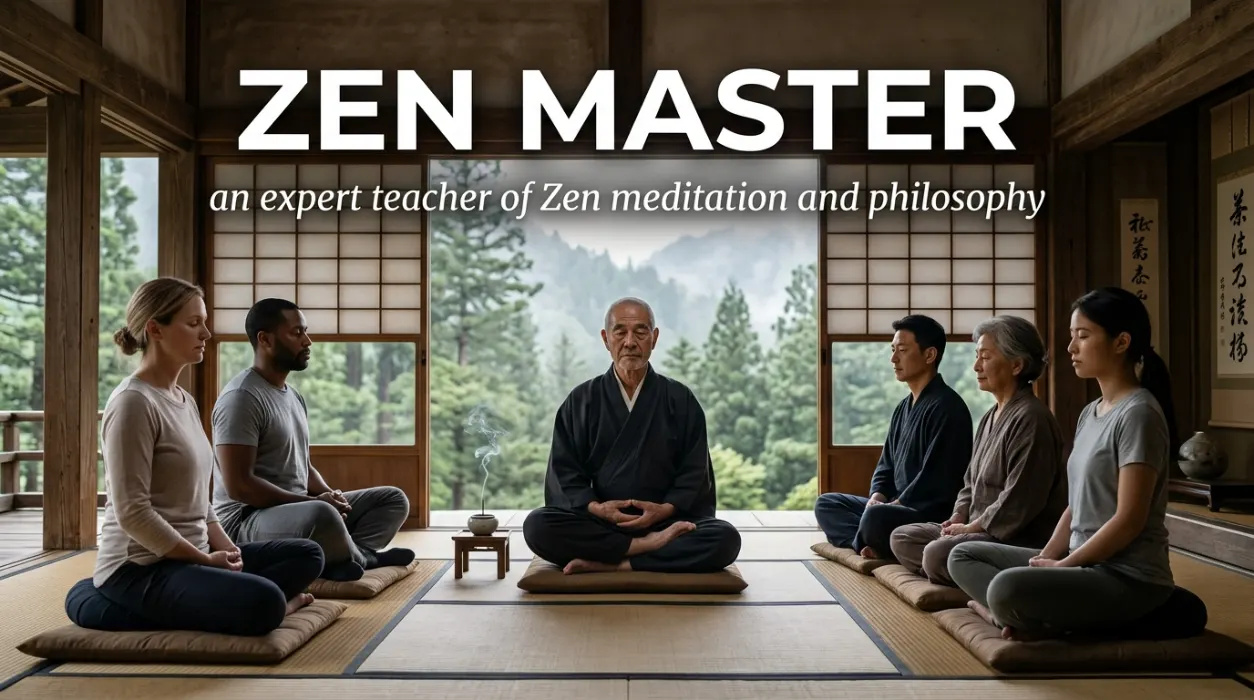
Zen Master (Noun phrase) — US: /zɛn ˈmæstər/ — UK: /zen ˈmɑːstə/
- Meaning: An expert teacher of Zen meditation and philosophy.
- Tone/Register: Cultural, formal.
- Example: Students studied koans with a Zen master.
- Example: The Zen master lectured on mindfulness.
Synonyms by Tone
Choosing the right alternative depends entirely on whether you want to sound peaceful, formal, or philosophical.
- Positive tone: Peaceful, tranquil, serene, balanced, centered.
- Neutral tone: Calm, relaxed, quiet, composed, collected.
- Negative tone: Apathetic, stolid, detached, indifferent.
- Playful/informal tone: Chill, laid-back, easygoing.
Tone matters because calling a tense corporate negotiation zen sounds casual, whereas describing a focused meditation retreat as tranquil highlights deep restorative calm.
Mini Comparison: Zen vs. Tranquil vs. Serene
- Zen emphasizes active mindful awareness, inner stillness, and spiritual presence.
- Tranquil focuses on external quietness, peaceful environments, and freedom from disturbance.
- Serene highlights majestic, untroubled beauty and elevated emotional calm.
Use zen for mindfulness and focus, tranquil for peaceful environments, and serene for majestic emotional calm.
Context-Based Usage
- Daily conversation: In casual talk, native speakers use friendly terms like chill, laid-back, or calm.
- Writing or blogging: Authors use evocative terms like serene, tranquil, or halcyon to build rich prose.
- Professional or academic tone: Specialists rely on precise terms like equanimous, composed, or imperturbable.
- Creative or informal use: Bloggers employ vivid terms like zen-like, centered, or unflappable to describe modern lifestyle routines.
Common Mistakes & Native Usage
Common Mistakes Learners Make
- Misuse scenarios: Applying casual slang terms like chill inside formal psychological research papers.
- Confusing tone: Mixing overly poetic terms like halcyon into everyday grocery store chatter.
- Overuse warnings: Repeating the same calm adjective throughout an essay makes your vocabulary feel repetitive rather than rich.
Register Notes
- Spoken chats favor direct words like chill and calm.
- Written essays reward descriptive choices like tranquil, serene, and equanimous.
Real-Life Mini Scenarios
- Workplace: Corporate wellness programs encouraged stressed staff to practice mindful breathing for focus.
- Social situations: Friends gathered at weekend cabin retreats to enjoy quiet, laid-back conversations.
- Media/pop culture: Wellness magazines profiled minimalist homes designed with zen-like aesthetic harmony.
- Writing or storytelling: Authors revised book manuscripts, replacing basic words with tranquility for literary depth.
Conclusion
In conclusion, zen is a word associated with peace, calmness, balance, and inner tranquility. It is often used to describe a relaxed state of mind or an environment that creates a sense of peacefulness.
There are several useful synonyms for zen, including peaceful, serene, tranquil, calm, relaxed, composed, and harmonious. Choosing the right synonym can help make your writing more descriptive and accurately express a feeling of calm and balance.
By understanding zen and its related synonyms, you can expand your vocabulary and make your writing more engaging. Using these alternatives appropriately can help you communicate ideas of peace, relaxation, and harmony with greater clarity.
Practice Exercise
- Which adjective best describes a state of calm, relaxed, and focused peace of mind?
- A) Zen
- B) Chaotic
- C) Frantic
- D) Hectic
- What emotional tone does the positive, peaceful term serene typically carry?
- A) Calm, peaceful, and untroubled
- B) Angry and hostile
- C) Sad and weeping
- D) Loud and noisy
- Which term is ideal for describing peaceful environments free from disturbance?
- A) Tranquil
- B) Noisy
- C) Tumultuous
- D) Clamorous
- If someone stays completely calm and unbothered during a crisis, they are:
- A) Unflappable
- B) Panicked
- C) Vehement
- D) Furious
- The formal psychological term for mental calmness and evenness of temper is:
- A) Equanimity
- B) Rage
- C) Panic
- D) Anxiety
- What part of speech category do words like peaceful and tranquil belong to?
- A) Adjectives
- B) Nouns only
- C) Conjunctions only
- D) Interjections only
- Which expression is a common casual slang word for someone who is very relaxed?
- A) Chill
- B) Tense
- C) Stressed
- D) Agitated
- Describing a past period of time that was idyllically happy and peaceful uses:
- A) Halcyon
- B) Bleak
- C) Stormy
- D) Grim
- The formal literary noun for a state of stillness, calmness, and quiet is:
- A) Quietude
- B) Clamor
- C) Uproar
- D) Tumult
- Which word describes someone who is emotionally stable, poised, and balanced?
- A) Centered
- B) Unstable
- C) Reckless
- D) Erratic
Reflection Task
Write one short, original sentence using the word tranquil to describe a quiet morning lake.
Answer Key: 1: A | 2: A | 3: A | 4: A | 5: A | 6: A | 7: A | 8: A | 9: A | 10: A
FAQs
1. What does “zen” mean?
“Zen” refers to a state of calmness, peace, mindfulness, and inner balance.
2. What are the synonyms for “zen”?
Common synonyms include peaceful, calm, serene, tranquil, relaxed, composed, and harmonious.
3. Is “zen” a positive word?
Yes, “zen” generally has a positive meaning and is associated with peace, relaxation, balance, and a calm state of mind.
4. How do you use “zen” in a sentence?
Example: “The quiet garden gave her a peaceful, zen feeling.”
5. What is the opposite of “zen”?
Depending on the context, opposites may include stressful, chaotic, restless, anxious, or agitated.

Hasnain Ali is an SEO Content Strategist and the founder of wordvora.com, a trusted vocabulary platform that helps writers, students, professionals, and English learners find accurate synonyms, antonyms, word meanings, and real-life usage examples. He specializes in keyword research, on-page SEO, topical authority, and creating search-first content that aligns with Google’s latest Search Quality and E-E-A-T guidelines. His work focuses on producing clear, well-structured, and reader-friendly resources that satisfy search intent while maintaining high editorial standards.
Through extensive hands-on experience with SEO tools such as Google Search Console, Google Analytics, SEMrush, and Ahrefs, Hasnain researches user search behavior and develops content that is both informative and easy to understand. Every article published on wordvora.com is carefully reviewed for accuracy, readability, and contextual relevance before publication. His mission is to build one of the web’s most reliable English vocabulary resources by providing practical language guidance, trustworthy explanations, and content that helps readers improve their writing, communication, and vocabulary with confidence.