

Imagine setting up a new phone, app, or service and needing to turn it on before use. In that moment, finding the right synonym for activation can make your sentence clearer.
The word “activation” is common in technology, business, education, and everyday English. For example, you might describe the start, launch, or beginning of a process.
Learning a synonym for activation helps you avoid repetition and choose words that match your exact meaning. It can also make your writing smoother, more natural, and easier to understand.
For students, bloggers, content writers, and daily English users, knowing a synonym for activation can improve vocabulary and communication. Small word choices can make a big difference.
What Does “Synonym For Activation” Really Mean?
Synonym for activation means finding alternative terms that express the act of making something active, operational, or capable of functioning. It sets up a dynamic tone aimed at capturing startup energy, stimulation, or initiation.
Native speakers use these terms when discussing launching new software, stimulating nerve cells, or triggering security alarms. It carries an energetic, purposeful, and functional emotional tone. It usually suggests operational readiness, immediate startup, and purposeful triggering.
Connotative Meaning
- Positive tone: Associated with successful product launches, energetic motivation, and smooth operational startups.
- Negative tone: Linked with triggering dangerous alarms, sudden system failures, or forceful instigations.
- Neutral tone: Used in technical manuals, scientific research, and standard computer setup guides.
- Connotation definition: (The emotional or cultural feeling attached to a word or phrase beyond its strict dictionary definition).

Etymology
- Source Language: Latin activus (active) combined with action suffixes.
- Original Meaning: Originally referred to putting something into motion or making it energetic and effective.
- Old English (450–1100): Early Germanic terms expressed waking up, moving, and starting physical actions using native roots.
- Middle English (1100–1500): Borrowed Latin and French terms merged with native English words for motion and energy.
- Modern English (1500–Present): Fully established as standard nouns describing startup procedures, triggers, and physiological stimulation.
Pronunciation (US & UK – IPA)
- US: /ˈsɪnəˌnɪm fɔːr ˌæktɪˈveɪʃən/
- UK: /ˈsɪnənɪm fɔːr ˌæktɪˈveɪʃn/
Syllables & Affixation Pattern
- Syllables: syn-o-nym-for-ac-ti-va-tion
- Root: active (moving or functioning)
- Prefix: ad- (to/toward, assimilated to ac-)
- Suffix: -ation (noun-forming suffix indicating action or state)
Synonyms List
Stimulation (Noun) — US: /ˌstɪmjʊˈleɪʃən/ — UK: /ˌstɪmjʊˈleɪʃn/
- Meaning: The action of raising activity levels in biological systems or minds.
- Tone/Register: Scientific, formal.
- Example: Coffee provides a quick mental stimulation during busy mornings.
- Example: Sensory stimulation helps infants develop cognitive skills rapidly.
Triggering (Noun) — US: /ˈtrɪɡərɪŋ/ — UK: /ˈtrɪɡərɪŋ/
- Meaning: Causing an event or situation to happen or exist suddenly.
- Tone/Register: Standard, technical.
- Example: Loud noises resulted in the triggering of home security alarms.
- Example: The spark was responsible for triggering the explosion.
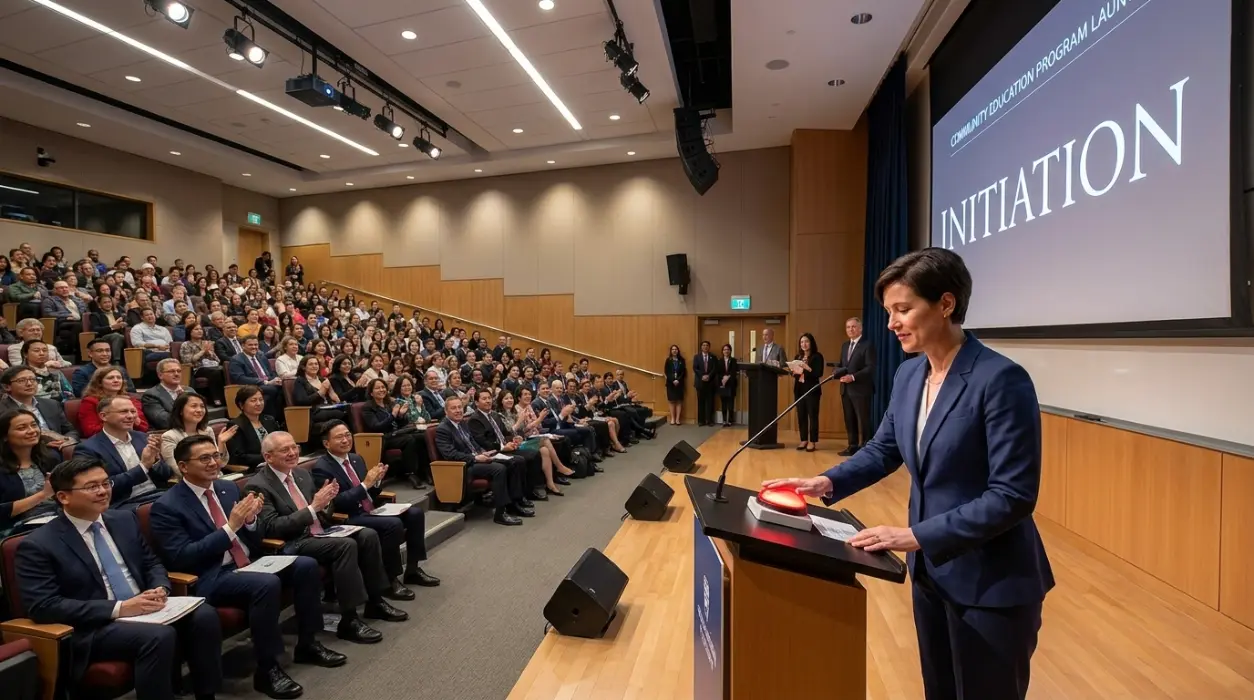
Initiation (Noun) — US: /ɪˌnɪʃiˈeɪʃən/ — UK: /ɪˌnɪʃiˈeɪʃn/
- Meaning: The action of beginning something or admitting someone into a club.
- Tone/Register: Formal, professional.
- Example: The initiation of the project required careful budget planning.
- Example: New members completed club initiation rites on Friday.
Launch (Noun) — US: /lɔːntʃ/ — UK: /lɔːntʃ/
- Meaning: An act or instance of launching a boat, rocket, or product.
- Tone/Register: Business, energetic.
- Example: The rocket launch drew thousands of spectators to the coast.
- Example: Software developers planned a major product launch for autumn.
Start (Noun) — US: /stɑːrt/ — UK: /stɑːt/
- Meaning: The point in time or space at which something begins.
- Tone/Register: Standard, common.
- Example: Runners took their positions at the race start line.
- Example: Early start times help commuters avoid morning rush hours.
Beginning (Noun) — US: /bɪˈɡɪnɪŋ/ — UK: /bɪˈɡɪnɪŋ/
- Meaning: The point at which something starts; the start of an event.
- Tone/Register: Standard, common.
- Example: Spring marks the beginning of blooming garden flowers.
- Example: Read the story from the very first page.
Commencement (Noun) — US: /kəˈmɛnsmənt/ — UK: /kəˈmensmənt/
- Meaning: The beginning of something, or a graduation ceremony.
- Tone/Register: Formal, academic.
- Example: University commencement ceremonies take place in May.
- Example: The commencement of construction begins next Monday.
Inception (Noun) — US: /ɪnˈsɛpʃən/ — UK: /ɪnˈsepʃn/
- Meaning: The establishment or starting point of an institution or activity.
- Tone/Register: Formal, academic.
- Example: The club has grown rapidly since its inception in 2020.
- Example: Ideas generated at project inception guided all future designs.
Origination (Noun) — US: /əˌrɪdʒɪˈneɪʃən/ — UK: /əˌrɪdʒɪˈneɪʃn/
- Meaning: The action or place of starting or coming into being.
- Tone/Register: Formal, technical.
- Example: Financial institutions traced the loan origination back to Boston.
- Example: Scholars studied the origination of ancient tribal dialects.
Genesis (Noun) — US: /ˈdʒɛnəsɪs/ — UK: /ˈdʒenəsɪs/
- Meaning: The origin or mode of formation of something.
- Tone/Register: Literary, formal.
- Example: Scientists debated the genesis of planetary solar systems.
- Example: The book explored the genesis of modern democracy.
Sparking (Noun) — US: /ˈspɑːrkɪŋ/ — UK: /ˈspɑːkɪŋ/
- Meaning: Causing a sudden strong reaction or fiery ignition.
- Tone/Register: Descriptive, standard.
- Example: The speech was responsible for sparking intense public debates.
- Example: Loose wiring resulted in dangerous electrical sparking.
Instigation (Noun) — US: /ˌɪnstɪˈɡeɪʃən/ — UK: /ˌɪnstɪˈɡeɪʃn/
- Meaning: The action of instigating an event or action, often rebellious.
- Tone/Register: Formal, serious.
- Example: The rebellion happened at the instigation of local leaders.
- Example: Police investigated the instigation of street riots.
Prompting (Noun) — US: /ˈprɑːmptɪŋ/ — UK: /ˈprɒmptɪŋ/
- Meaning: The action of encouraging, urging, or inspiring someone.
- Tone/Register: Standard, supportive.
- Example: With gentle prompting, the shy child answered questions.
- Example: The actor forgot lines without prompting from backstage.
Catalyst (Noun) — US: /ˈkætəlɪst/ — UK: /ˈkætəlɪst/
- Meaning: A substance or person that quickens an event or reaction.
- Tone/Register: Scientific, professional.
- Example: Innovation catalyzed economic market growth.
- Example: Enzymes act as a biological catalyst in digestion.
Awakening (Noun) — US: /əˈweɪkənɪŋ/ — UK: /əˈweɪkənɪŋ/
- Meaning: An act or moment of becoming suddenly aware or active.
- Tone/Register: Literary, emotional.
- Example: Spring brought a wonderful awakening of forest life.
- Example: Citizens experienced a political awakening during elections.
Energizing (Noun) — US: /ˈɛnərdʒaɪzɪŋ/ — UK: /ˈenədʒaɪzɪŋ/
- Meaning: Providing vitality, vigor, or power to a system.
- Tone/Register: Professional, energetic.
- Example: Morning yoga sessions focus on energizing the body.
- Example: Engineers tested the energizing of high-voltage power lines.
Galvanization (Noun) — US: /ˌɡælvənɪˈzeɪʃən/ — UK: /ˌɡælvənaɪˈzeɪʃn/
- Meaning: Shocking or exciting someone into taking sudden action.
- Tone/Register: Formal, academic.
- Example: The crisis led to the galvanization of community volunteers.
- Example: Metal pipes underwent galvanization to prevent rust.
Mobilization (Noun) — US: /ˌmoʊbəlɪˈzeɪʃən/ — UK: /ˌməʊbəlaɪˈzeɪʃn/
- Meaning: The action of organizing resources or troops for action.
- Tone/Register: Military, formal.
- Example: The rapid mobilization of troops ensured border security.
- Example: Community mobilization helped clean local parks quickly.
Deployment (Noun) — US: /dɪˈplɔɪmənt/ — UK: /dɪˈplɔɪmənt/
- Meaning: The movement of troops or equipment to operational places.
- Tone/Register: Military, technical.
- Example: Software deployment occurred during scheduled weekend maintenance.
- Example: Field deployment of relief workers started at dawn.
Implementation (Noun) — US: /ˌɪmpləmɛnˈteɪʃən/ — UK: /ˌɪmplɪmenˈteɪʃn/
- Meaning: The process of putting a decision or plan into effect.
- Tone/Register: Professional, business.
- Example: Successful implementation of new safety rules saved time.
- Example: Teachers praised the implementation of digital reading tablets.
Execution (Noun) — US: /ˌɛksəˈkjuːʃən/ — UK: /ˌeksɪˈkjuːʃn/
- Meaning: The carrying out of a plan, order, or course of action.
- Tone/Register: Professional, formal.
- Example: Flawless plan execution secured the business contract.
- Example: Musicians admired the technical execution of the symphony.
Realization (Noun) — US: /ˌriːəlaɪˈzeɪʃən/ — UK: /ˌriːəlaɪˈzeɪʃn/
- Meaning: The turning of a plan or dream into a concrete reality.
- Tone/Register: Literary, formal.
- Example: Building the community center was the realization of a dream.
- Example: He experienced a sudden realization of his mistake.
Operationalization (Noun) — US: /ˌɑːpəreɪʃənəlaɪˈzeɪʃən/ — UK: /ˌɒpəreɪʃənaɪˈzeɪʃn/
- Meaning: The process of making something operational and functional.
- Tone/Register: Technical, academic.
- Example: Researchers focused on the operationalization of theoretical frameworks.
- Example: The operationalization of new machinery took three days.

Firing (Noun) — US: /ˈfaɪrɪŋ/ — UK: /ˈfaɪərɪŋ/
- Meaning: The discharge of a gun or the electrical activation of neurons.
- Tone/Register: Technical, standard.
- Example: Neural firing patterns revealed how brains process visual art.
- Example: Target practice involved the firing of rifles safely.
Discharging (Noun) — US: /dɪsˈtʃɑːrdʒɪŋ/ — UK: /dɪsˈtʃɑːdʒɪŋ/
- Meaning: Releasing stored energy or dismissing someone from duty.
- Tone/Register: Technical, legal.
- Example: Batteries undergo discharge during heavy electronic use.
- Example: Doctors managed the discharge of recovered patients.
Unleashing (Noun) — US: /ʌnˈliːʃɪŋ/ — UK: /ʌnˈliːʃɪŋ/
- Meaning: The release of a powerful force or emotion suddenly.
- Tone/Register: Descriptive, dramatic.
- Example: The storm resulted in the unleashing of gale-force winds.
- Example: Chefs celebrated the unleashing of creative autumn menus.
Release (Noun) — US: /rɪˈliːs/ — UK: /rɪˈliːs/
- Meaning: The action of setting free or making information public.
- Tone/Register: Standard, common.
- Example: Movie studios announced the worldwide release of the film.
- Example: Stress relief comes from the release of deep tension.
Unlocking (Noun) — US: /ʌnˈlɑːkɪŋ/ — UK: /ʌnˈlɒkɪŋ/
- Meaning: The action of opening a lock or revealing hidden potential.
- Tone/Register: Standard, metaphorical.
- Example: Unlocking creativity requires a quiet and inspiring workspace.
- Example: Security codes ensured the unlocking of office doors.
Awakening (Noun) — US: /əˈweɪkənɪŋ/ — UK: /əˈweɪkənɪŋ/
- Meaning: Becoming active or conscious after a period of dormancy.
- Tone/Register: Literary, evocative.
- Example: Forest ecosystems showed signs of spring awakening.
- Example: Intellectual awakening transformed his entire worldview.
Quickening (Noun) — US: /ˈkwɪkənɪŋ/ — UK: /ˈkwɪkənɪŋ/
- Meaning: The acceleration of movement, life, or activity.
- Tone/Register: Literary, formal.
- Example: She felt a quickening of excitement before the show.
- Example: Economic growth showed a steady quickening this quarter.
Acceleration (Noun) — US: /ækˌsɛləˈreɪʃən/ — UK: /əkˌseləˈreɪʃn/
- Meaning: An increase in the rate or speed of something happening.
- Tone/Register: Scientific, technical.
- Example: Sports cars tested rapid engine acceleration on tracks.
- Example: Scientists monitored the acceleration of climate change.
Expedition (Noun) — US: /ˌɛkspəˈdɪʃən/ — UK: /ˌekspəˈdɪʃn/
- Meaning: A journey undertaken by a group for a specific purpose.
- Tone/Register: Formal, adventurous.
- Example: Researchers organized an expedition to mountain peaks.
- Example: Archaeological expeditions uncovered ancient valley ruins.
Stirring (Noun) — US: /ˈstɜːrɪŋ/ — UK: /ˈstɜːrɪŋ/
- Meaning: An initial sign of activity, movement, or emotion.
- Tone/Register: Literary, descriptive.
- Example: Early morning brought the first stirring of village life.
- Example: He felt a stirring of pride during anthems.
Arousing (Noun) — US: /əˈraʊzɪŋ/ — UK: /əˈraʊzɪŋ/
- Meaning: Evoking or awakening a feeling, emotion, or response.
- Tone/Register: Formal, descriptive.
- Example: The speaker focused on arousing public interest in art.
- Example: Suspenseful music worked effectively in arousing curiosity.
Kindling (Noun) — US: /ˈkɪndlɪŋ/ — UK: /ˈkɪndlɪŋ/
- Meaning: Small twigs used to start fires, or starting emotions.
- Tone/Register: Descriptive, rustic.
- Example: Campers gathered dry pine wood and kindling for fires.
- Example: Debate discussions served as kindling for reform ideas.
Igniting (Noun) — US: /ɪɡˈnaɪtɪŋ/ — UK: /ɪɡˈnaɪtɪŋ/
- Meaning: Catching fire or sparking a sudden intense reaction.
- Tone/Register: Descriptive, energetic.
- Example: Friction resulted in igniting dry forest brush.
- Example: The speech succeeded in igniting passion among youth.
Trigger (Noun) — US: /ˈtrɪɡər/ — UK: /ˈtrɪɡə/
- Meaning: A device that releases a spring or catches to fire a gun.
- Tone/Register: Standard, technical.
- Example: Pulling the rifle trigger released the safety lock.
- Example: Stress served as a trigger for headaches.
Impulsion (Noun) — US: /ɪmˈpʌlʃən/ — UK: /ɪmˈpʌlʃn/
- Meaning: The act of driving forward or a sudden strong urge.
- Tone/Register: Formal, literary.
- Example: The boat moved forward under the impulsion of waves.
- Example: He acted on a sudden impulsion to travel.
Propulsion (Noun) — US: /prəˈpʌlʃən/ — UK: /prəˈpʌlʃn/
- Meaning: The action of driving or pushing forwards.
- Tone/Register: Scientific, technical.
- Example: Rocket engines provide powerful spacecraft propulsion in space.
- Example: Marine propellers ensure efficient watercraft propulsion.
Excitation (Noun) — US: /ˌɛkssaɪˈteɪʃən/ — UK: /ˌeksaɪˈteɪʃn/
- Meaning: The action of exciting something or increasing energy states.
- Tone/Register: Scientific, academic.
- Example: Physics experiments measured atomic electron excitation levels.
- Example: Children showed visible excitement before holiday parties.
Stimulation (Noun) — US: /ˌstɪmjʊˈleɪʃən/ — UK: /ˌstɪmjʊˈleɪʃn/
- Meaning: Encouraging development or increased activity in systems.
- Tone/Register: Scientific, standard.
- Example: Economic stimulation packages helped small local shops.
- Example: Brain stimulation research offers new medical insights.
Animation (Noun) — US: /ˌænɪˈmeɪʃən/ — UK: /ˌænɪˈmeɪʃn/
- Meaning: The state of being full of life, or cartoon movie creation.
- Tone/Register: Artistic, standard.
- Example: Computer animation brought digital cartoon characters to life.
- Example: Her face showed sudden animation when talking about pets.
Vitalization (Noun) — US: /ˌvaɪtəlaɪˈzeɪʃən/ — UK: /ˌvaɪtəlaɪˈzeɪʃn/
- Meaning: The action of infusing with life, vigor, and energy.
- Tone/Register: Formal, literary.
- Example: Urban renewal led to the vitalization of downtown districts.
- Example: Nutrients contributed to the vitalization of weak plants.
Rejuvenation (Noun) — US: /rɪˌdʒuːvəˈneɪʃən/ — UK: /rɪˌdʒuːvəˈneɪʃn/
- Meaning: The action of making something look or feel young again.
- Tone/Register: Professional, formal.
- Example: Spa treatments offered deep skin rejuvenation therapies.
- Example: Neighborhood rejuvenation projects improved community parks.
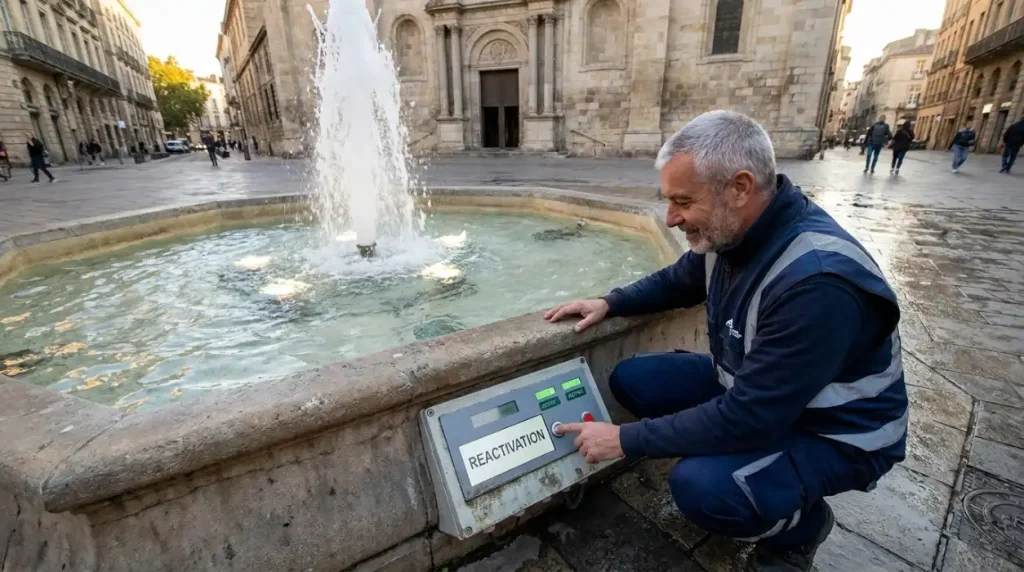
Reactivation (Noun) — US: /riːˌæktɪˈveɪʃən/ — UK: /riːˌæktɪˈveɪʃn/
- Meaning: The action of making something active or operational again.
- Tone/Register: Technical, formal.
- Example: IT specialists managed the reactivation of dormant user accounts.
- Example: Military reserves underwent swift tactical reactivation drills.
Recommencement (Noun) — US: /ˌriːkəˈmɛnsmənt/ — UK: /ˌriːkəˈmensmənt/
- Meaning: The action of starting something again after a pause.
- Tone/Register: Formal, administrative.
- Example: Citizens welcomed the recommencement of public bus services.
- Example: Contract talks led to the recommencement of building work.
Resumption (Noun) — US: /rɪˈzʌmpʃən/ — UK: /rɪˈzʌmpʃn/
- Meaning: The action of beginning something again after an interruption.
- Tone/Register: Formal, professional.
- Example: The resumption of trade flights boosted local tourism.
- Example: Students awaited the resumption of classes after breaks.
Renewal (Noun) — US: /rɪˈnuːəl/ — UK: /rɪˈnuːəl/
- Meaning: The replacement or repair of something to make it new.
- Tone/Register: Standard, formal.
- Example: Annual subscription renewal notices were sent via email.
- Example: Spring brought seasonal renewal across forest landscapes.
Restoration (Noun) — US: /ˌrɛstəˈreɪʃən/ — UK: /ˌrestəˈreɪʃn/
- Meaning: The action of returning something to a former owner or condition.
- Tone/Register: Formal, professional.
- Example: Historic castle restoration took over five years.
- Example: Power restoration teams worked through stormy nights.
Rebirth (Noun) — US: /ˈriːbɜːrθ/ — UK: /ˈriːbɜːθ/
- Meaning: A renaissance or second birth of an activity or idea.
- Tone/Register: Literary, expressive.
- Example: The artistic district experienced a wonderful cultural rebirth.
- Example: Gardening enthusiasts celebrated spring’s floral rebirth.
Awakening (Noun) — US: /əˈweɪkənɪŋ/ — UK: /əˈweɪkənɪŋ/
- Meaning: Waking from sleep or experiencing renewed awareness.
- Tone/Register: Literary, emotional.
- Example: Dawn marked the quiet awakening of the valley.
- Example: Educational seminars sparked a great mental awakening.
Starting (Noun) — US: /ˈstɑːrtɪŋ/ — UK: /ˈstɑːtɪŋ/
- Meaning: Beginning an action, process, or journey.
- Tone/Register: Standard, common.
- Example: Starting new habits takes consistency and daily effort.
- Example: Mechanics checked the car engine starting mechanism.
Opening (Noun) — US: /ˈoʊpənɪŋ/ — UK: /ˈəʊpənɪŋ/
- Meaning: A space or gap, or the beginning of an event.
- Tone/Register: Standard, common.
- Example: The shop held its grand opening on Saturday.
- Example: Fresh air entered through the window opening.
Kickoff (Noun) — US: /ˈkɪkˌɔːf/ — UK: /ˈkɪkɒf/
- Meaning: The start of a football match or the start of an event.
- Tone/Register: Informal, energetic.
- Example: Fans gathered early before the championship kickoff whistle.
- Example: The CEO spoke during the conference kickoff meeting.
Commencement (Noun) — US: /kəˈmɛnsmənt/ — UK: /kəˈmensmənt/
- Meaning: The formal beginning or starting point of a program.
- Tone/Register: Formal, academic.
- Example: Degree candidates attended commencement exercises in robes.
- Example: The commencement of trials began on Tuesday.
Synonyms by Tone
Choosing the right alternative depends entirely on whether you want to sound technical, energetic, or formal.
- Positive tone: Launch, revitalization, renewal, awakening.
- Neutral tone: Initiation, start, beginning, implementation.
- Negative tone: Instigation, triggering, sparking.
- Formal / Academic tone: Commencement, inception, operationalization, galvanization.
Tone matters because using a formal academic term like operationalization in a casual tech setup guide sounds overly robotic, while saying kickoff in a scientific research paper feels too informal.
Mini Comparison: Launch vs. Initiation vs. Activation
- Launch highlights energetic product releases, rocket liftoffs, or major public rollouts.
- Initiation emphasizes formal beginnings, onboarding processes, or starting structured plans.
- Activation serves as the broad, versatile term for turning on devices, stimulating nerves, or starting system accounts.
Use launch for products, initiation for formal procedures, and activation for equipment startup or account setup.
Context-Based Usage
- Daily conversation: In casual talk, native speakers use simple words like start, launch, or kickoff.
- Writing or blogging: Authors use evocative terms like awakening, renewal, or unleashing to build narrative flair.
- Professional or academic tone: Specialists rely on precise terms like operationalization, implementation, and inception.
- Creative or informal use: Bloggers employ vivid terms like sparking or igniting to describe exciting new trends.
Common Mistakes & Native Usage
Common Mistakes Learners Make
- Misuse scenarios: Applying heavy industrial terms like mobilization to simple smartphone app setup screens.
- Confusing tone: Mixing overly casual words like kickoff into formal legal or medical research papers.
- Overuse warnings: Repeating the same startup noun throughout a report makes your writing feel repetitive rather than rich.
Register Notes
- Spoken chats favor direct words like start and launch.
- Written essays reward descriptive choices like inception, implementation, and activation.
Real-Life Mini Scenarios
- Workplace: IT technicians completed the software activation before Monday morning meetings.
- Social situations: Friends celebrated the grand opening of a local community bakery.
- Media/pop culture: Movie studios announced the worldwide launch of the sci-fi sequel.
- Writing or storytelling: Authors revised book manuscripts, replacing basic verbs with awakening for literary elegance.
Conclusion
Choosing the right synonym for activation can make your writing more precise and natural. Words like launch, start, initiation, and enabling may fit different contexts.
Learning a synonym for activation helps you avoid repetition and express ideas more clearly. It can improve your essays, blog posts, professional writing, and everyday conversations.
Keep practicing each synonym for activation in your own sentences. Try using these alternatives in emails, articles, and daily conversations to build stronger English vocabulary.
Practice Exercise
- Which noun best describes the formal start or beginning of a university degree program?
- A) Commencement
- B) Sleep
- C) Closing
- D) Deletion
- What emotional tone does the triggering term instigation frequently carry?
- A) Rebellious or serious urging
- B) Joyful celebratory feast
- C) Peaceful slumber
- D) Culinary delight
- Which term is ideal for describing a spacecraft liftoff or product rollout?
- A) Launch
- B) Deletion
- C) Removal
- D) Subtraction
- If scientists study the origin and formation of solar systems, they examine their:
- A) Genesis
- B) Ending
- C) Collapse
- D) Twilight
- The technical term for turning on a dormant software user account is:
- A) Activation
- B) Prosecution
- C) Sued
- D) Fining
- What part of speech category do words like launch and activation belong to?
- A) Nouns
- B) Verbs only
- C) Adjectives only
- D) Conjunctions only
- Which expression means the established starting point of an organization?
- A) Inception
- B) Conclusion
- C) Termination
- D) Expiry
- Describing an engine starting up or catching fire uses the term:
- A) Igniting
- B) Freezing
- C) Melting
- D) Cooling
- The formal academic term for turning a theoretical framework into a working practice is:
- A) Operationalization
- B) Forgetting
- C) Discarding
- D) Isolating
- Which word describes a sudden increase in the speed or rate of a process?
- A) Acceleration
- B) Deceleration
- C) Stagnation
- D) Halt
Reflection Task
Write one short, original sentence using the word launch to describe introducing a new mobile application.
Answer Key: 1: A | 2: A | 3: A | 4: A | 5: A | 6: A | 7: A | 8: A | 9: A | 10: A
FAQs
Can I use launch instead of activation in technical manuals?
Launch works wonderfully for product rollouts and software releases, whereas activation is broader and covers device setup and account verification.
What is the best synonym for starting a computer software setup?
Activation or initialization are excellent choices because they specifically communicate technical startup sequences.
How can I make my technical writing sound less repetitive?
Instead of repeating activation, mix in descriptive variants like implementation, operationalization, or initiation depending on the context.
Are there idiomatic alternatives for sparking new ideas?
Yes, everyday speakers use vivid phrases like igniting passion or kindling creativity when discussing inspiration.
Which synonym works best for official military or resource deployments?
Mobilization or deployment are fantastic choices because they precisely describe organized operational preparation.

Hasnain Ali is an SEO Content Strategist and the founder of wordvora.com, a trusted vocabulary platform that helps writers, students, professionals, and English learners find accurate synonyms, antonyms, word meanings, and real-life usage examples. He specializes in keyword research, on-page SEO, topical authority, and creating search-first content that aligns with Google’s latest Search Quality and E-E-A-T guidelines. His work focuses on producing clear, well-structured, and reader-friendly resources that satisfy search intent while maintaining high editorial standards.
Through extensive hands-on experience with SEO tools such as Google Search Console, Google Analytics, SEMrush, and Ahrefs, Hasnain researches user search behavior and develops content that is both informative and easy to understand. Every article published on wordvora.com is carefully reviewed for accuracy, readability, and contextual relevance before publication. His mission is to build one of the web’s most reliable English vocabulary resources by providing practical language guidance, trustworthy explanations, and content that helps readers improve their writing, communication, and vocabulary with confidence.