

The word muse is an interesting term with several meanings in English. It can refer to a person, idea, or source of inspiration that encourages someone to create art, write, or think creatively.
As a noun, muse often describes a person or thing that inspires creativity. As a verb, muse means to think deeply, reflect, or consider something thoughtfully. Its meaning therefore depends on how it is used in a sentence.
There are several synonyms for muse, including inspire, contemplate, ponder, reflect, think, and consider. Learning these alternatives can help you express ideas about inspiration and thoughtful thinking more clearly and naturally.
In this article, we will explore muse synonyms, their meanings, and useful examples. Understanding these related words will help you expand your vocabulary and choose the most appropriate expression for different contexts.
What Does “Synonyms For Muse” Really Mean?
Synonyms for muse mean finding alternative nouns and phrases that express a person or force inspiring creative artistic work. It sets up an imaginative or literary tone aimed at capturing artistic inspiration, creative sparks, and motivating mental influence.
Native speakers use these terms when discussing painters seeking inspiration, poets finding creative motivation, or writers thanking guiding mentors. It carries a diverse emotional tone ranging from warm, admiring praise to playful creative affection. It usually suggests mental stimulation, artistic awakening, and imaginative drive.
Connotative Meaning
- Positive tone: Associated with brilliant artistic breakthroughs, deep creative motivation, and inspiring imaginative guidance.
- Negative tone: Linked with overdependent obsession, creative block frustration, and manipulative artistic control.
- Neutral tone: Used in literary history analyses, biographical documentaries, and creative writing studies.
- Connotation definition: (The emotional or cultural feeling attached to a word or phrase beyond its strict dictionary definition).
Etymology
- Source Language: Ancient Greek Mousa, referring to the nine goddesses of literature, science, and the arts.
- Original Meaning: Originally meant one of the goddesses inspiring artistic and intellectual creation.
- Old English (450–1100): Not present in Old English, as the term entered later through French and Latin literary revivals.
- Middle English (1100–1500): Adopted into Middle English poetry to describe divine artistic inspiration and poetic breath.
- Modern English (1500–Present): Fully established as standard nouns and verbs for any source of creative inspiration.

Pronunciation (US & UK – IPA)
- US: /ˈsɪnənɪmz fɔːr mjuːz/
- UK: /ˈsɪnənɪmz fɔːr mjuːz/
Syllables & Affixation Pattern
- Syllables: syn-o-nyms-for-muse
- Root: muse (creative inspiration source) + synonyms (alternative words)
- Prefixes: syn- (together)
- Suffix: None for the root term muse.
Synonyms List
Inspiration (Noun) — US: /ˌɪnspəˈreɪʃən/ — UK: /ˌɪnspəˈreɪʃn/
- Meaning: The process of being mentally stimulated to do or feel something.
- Tone/Register: Common, standard.
- Example: Nature provided endless inspiration for her paintings.
- Example: The musician found inspiration during morning walks.
Stimulus (Noun) — US: /ˈstɪmjʊləs/ — UK: /ˈstɪmjʊləs/
- Meaning: A thing or event that rouses activity or energy.
- Tone/Register: Formal, academic.
- Example: Financial grants acted as a stimulus for artists.
- Example: The lecture provided great intellectual stimulus.
Spark (Noun) — US: /spɑːrk/ — UK: /spɑːk/
- Meaning: A small flash of light or a lively quality.
- Tone/Register: Common, descriptive.
- Example: A single idea ignited a creative spark.
- Example: His writing lacked any emotional spark.
Catalyst (Noun) — US: /ˈkætəlɪst/ — UK: /ˈkætəlɪst/
- Meaning: A person or thing that precipitates an event or change.
- Tone/Register: Formal, professional.
- Example: The poem catalyzed reform.
- Example: Meeting the mentor was a catalyst for his career.
Influence (Noun) — US: /ˈɪnfluəns/ — UK: /ˈɪnfluəns/
- Meaning: The capacity to have an effect on character or development.
- Tone/Register: Common, versatile.
- Example: Older artists had a massive influence on her style.
- Example: Books exert a powerful influence over young minds.
Guide (Noun) — US: /ɡaɪd/ — UK: /ɡaɪd/
- Meaning: A person who shows the way or provides guidance.
- Tone/Register: Common, supportive.
- Example: She acted as a guide through difficult revisions.
- Example: The veteran author served as a writing guide.
Mentor (Noun) — US: /ˈmɛntɔːr/ — UK: /ˈmentɔː/
- Meaning: An experienced and trusted adviser.
- Tone/Register: Professional, formal.
- Example: He thanked his mentor for career advice.
- Example: Experienced chefs mentored new culinary students.
Patron (Noun) — US: /ˈpeɪtrən/ — UK: /ˈpeɪtrən/
- Meaning: A person who gives financial or other support to a cause or artist.
- Tone/Register: Formal, historical.
- Example: Wealthy patrons funded Renaissance art galleries.
- Example: The theater thanked its generous corporate patrons.
Idol (Noun) — US: /ˈaɪdəl/ — UK: /aɪdl/
- Meaning: An image or representation of a god, or an object of extreme devotion.
- Tone/Register: Common, emotional.
- Example: Young guitarists looked up to rock idols.
- Example: She treated her favorite author like an idol.
Genius (Noun) — US: /ˈdʒiːnjəs/ — UK: /ˈdʒiːnjəs/
- Meaning: Exceptional intellectual or creative power.
- Tone/Register: Elevated, formal.
- Example: Einstein showed remarkable mathematical genius.
- Example: The film reflected pure artistic genius.
Visionary (Noun) — US: /ˈvɪʒənɛri/ — UK: /ˈvɪʒənəri/
- Meaning: A person with original ideas about the future.
- Tone/Register: Formal, admiring.
- Example: Tech pioneers are often celebrated as visionaries.
- Example: The city planner was a true visionary.
Thought Leader (Noun phrase) — US: /ˈθɔːt ˈliːdər/ — UK: /ˈθɔːt ˈliːdə/
- Meaning: An expert whose views are taken as authoritative.
- Tone/Register: Business, modern.
- Example: Industry conferences featured prominent thought leaders.
- Example: She became a recognized thought leader in design.
Creative Spark (Noun phrase) — US: /kriˈeɪtɪv spɑːrk/ — UK: /kriˈeɪtɪv spɑːk/
- Meaning: A sudden burst of inventive energy.
- Tone/Register: Descriptive, common.
- Example: Writers need a creative spark to start stories.
- Example: Coffee helped ignite his morning creative spark.
Guiding Light (Noun phrase) — US: /ˈɡaɪdɪŋ laɪt/ — UK: /ˈɡaɪdɪŋ laɪt/
- Meaning: A person or principle that guides or inspires.
- Tone/Register: Literary, warm.
- Example: Her grandmother remained her guiding light in life.
- Example: Ethical principles served as a guiding light.
Source of Inspiration (Phrase variant) — US: /sɔːrs ʌv ˌɪnspəˈreɪʃən/ — UK: /sɔːs ʌv ˌɪnspəˈreɪʃn/
- Meaning: Origin of creative mental stimulation.
- Tone/Register: Formal, common.
- Example: Old journals served as a rich source of inspiration.
- Example: Travel became his primary source of inspiration.
Creative Impetus (Phrase variant) — US: /kriˈeɪtɪv ˈɪmpɪtəs/ — UK: /kriˈeɪtɪv ˈɪmpɪtəs/
- Meaning: The driving force behind artistic creation.
- Tone/Register: Academic, formal.
- Example: The museum grant provided creative impetus for sculptors.
- Example: Emotional breakthroughs formed the creative impetus.
Motivational Force (Phrase variant) — US: /ˌmoʊtəˈveɪʃənəl fɔːrs/ — UK: /ˌməʊtɪˈveɪʃənəl fɔːs/
- Meaning: Energy driving someone to achieve goals.
- Tone/Register: Professional, formal.
- Example: Passion was the motivational force behind the project.
- Example: Team leaders acted as a motivational force.
Fount (Noun) — US: /faʊnt/ — UK: /faʊnt/
- Meaning: A source or origin (often of a desirable quality).
- Tone/Register: Literary, formal.
- Example: The librarian was a fount of historical knowledge.
- Example: Ancient texts remained a fount of wisdom.
Fountainhead (Noun) — US: /ˈfaʊntənˌhɛd/ — UK: /ˈfaʊntənhed/
- Meaning: An ultimate source from which something flows.
- Tone/Register: Literary, elevated.
- Example: Universities act as a fountainhead of innovation.
- Example: The archive was the fountainhead of research.
Wellspring (Noun) — US: /ˈwɛlˌsprɪŋ/ — UK: /ˈwelˌsprɪŋ/
- Meaning: An abundant source or supply.
- Tone/Register: Literary, descriptive.
- Example: Folklore offered a wellspring of storytelling themes.
- Example: Her imagination was a deep wellspring of ideas.
Origin (Noun) — US: /ˈɔːrɪdʒɪn/ — UK: /ˈɒrɪdʒɪn/
- Meaning: The point or place where something begins.
- Tone/Register: Common, formal.
- Example: Scientists traced the origin of the ancient manuscript.
- Example: Folklore explored the origin of seasonal festivals.
Seed (Noun) — US: /siːd/ — UK: /siːd/
- Meaning: The unit of germination or the initial starting point.
- Tone/Register: Metaphorical, common.
- Example: A casual remark planted the seed of a novel.
- Example: Small habits are seeds of lifelong success.
Germ (Noun) — US: /dʒɜːrm/ — UK: /dʒɜːm/
- Meaning: The earliest stage of an organism or idea.
- Tone/Register: Formal, academic.
- Example: The germ of an idea grew into a startup.
- Example: Philosophers debated the germ of democracy.
Core (Noun) — US: /kɔːr/ — UK: /kɔː/
- Meaning: The central or innermost part of something.
- Tone/Register: Common, technical.
- Example: Honesty is the core of their company culture.
- Example: Editors reviewed the core message of articles.
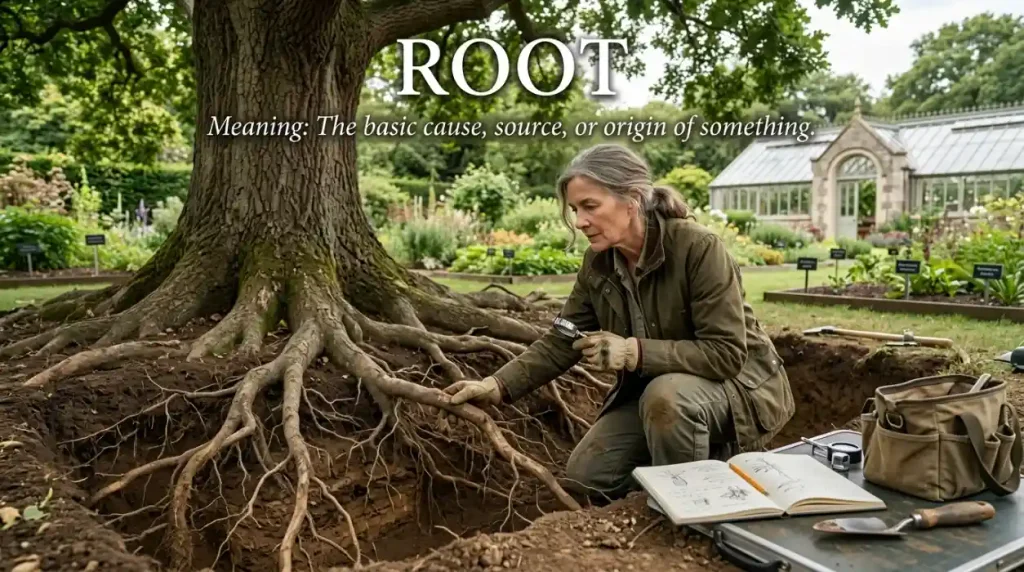
Root (Noun) — US: /ruːt/ — UK: /ruːt/
- Meaning: The basic cause, source, or origin of something.
- Tone/Register: Common, descriptive.
- Example: Curiosity is at the root of scientific discovery.
- Example: Gardeners inspected plant root systems for rot.
Creative Genius (Noun phrase) — US: /kriˈeɪtɪv ˈdʒiːnjəs/ — UK: /kriˈeɪtɪv ˈdʒiːnjəs/
- Meaning: Outstanding creative ability or a person possessing it.
- Tone/Register: Admiring, formal.
- Example: Da Vinci was celebrated as a creative genius.
- Example: The exhibition showcased modern creative genius.
Imaginative Catalyst (Phrase variant) — US: /ɪˈmædʒɪnətɪv ˈkætəlɪst/ — UK: /ɪˈmadʒɪnətɪv ˈkætəlɪst/
- Meaning: Something that sparks imaginative work.
- Tone/Register: Academic, formal.
- Example: Dreams served as an imaginative catalyst for writers.
- Example: Abstract art acted as an imaginative catalyst.
Archetype (Noun) — US: /ˈɑːrkɪtaɪp/ — UK: /ˈɑːkɪtaɪp/
- Meaning: A very typical example of a certain person or thing.
- Tone/Register: Literary, psychological.
- Example: The hero’s journey is a classic literary archetype.
- Example: She embodied the archetype of the wise mentor.
Exemplar (Noun) — US: /ɪɡˈzɛmplɑːr/ — UK: /ɪɡˈzemplɑː/
- Meaning: A person or thing serving as a typical example or model.
- Tone/Register: Formal, academic.
- Example: The historic building served as an exemplar of design.
- Example: He was an exemplar of calm leadership.
Paragon (Noun) — US: /ˈpærəɡɑːn/ — UK: /ˈpærəɡən/
- Meaning: A person or thing regarded as a perfect example of a quality.
- Tone/Register: Literary, formal.
- Example: She was viewed as a paragon of virtue.
- Example: The restaurant became a paragon of hospitality.
Avatar (Noun) — US: /ˈævətɑːr/ — UK: /ˈævətɑː/
- Meaning: An embodiment or manifestation of an idea or quality.
- Tone/Register: Modern, technical.
- Example: Users customized digital avatars in online games.
- Example: He was considered an avatar of modern style.
Embodiment (Noun) — US: /ɪmˈbɑːdimənt/ — UK: /ɪmˈbɒdimənt/
- Meaning: A tangible or visible form of an idea, quality, or feeling.
- Tone/Register: Formal, descriptive.
- Example: The sculpture was the embodiment of grace.
- Example: She was the embodiment of hard work.
Personification (Noun) — US: /pərˌsɑːnɪfɪˈkeɪʃən/ — UK: /pɜːˌsɒnɪfɪˈkeɪʃn/
- Meaning: The attribution of a personal nature to something non-human.
- Tone/Register: Literary, formal.
- Example: Winter storms felt like the personification of cold.
- Example: The actor was the personification of charm.
Symbol (Noun) — US: /ˈsɪmbəl/ — UK: /ˈsɪmbəl/
- Meaning: A mark or character used as a conventional representation.
- Tone/Register: Common, descriptive.
- Example: Doves are a universal symbol of peace.
- Example: The monument became a symbol of freedom.
Representative (Noun) — US: /ˌrɛprɪˈzɛntətɪv/ — UK: /ˌreprɪˈzentətɪv/
- Meaning: A person chosen to stand for others.
- Tone/Register: Professional, common.
- Example: Company representatives attended trade conventions.
- Example: Unions elected worker representatives for talks.
Epitome (Noun) — US: /ɪˈpɪtəmi/ — UK: /ɪˈpɪtəmi/
- Meaning: A person or thing that is a perfect example of a particular quality.
- Tone/Register: Formal, elevated.
- Example: The sports car was the epitome of speed.
- Example: She remained the epitome of professional grace.
Quintessence (Noun) — US: /kwɪnˈtɛsəns/ — UK: /kwɪnˈtesəns/
- Meaning: The most perfect or typical example of a quality or class.
- Tone/Register: Literary, formal.
- Example: The cottage was the quintessence of rural charm.
- Example: His speech was the quintessence of diplomacy.
Spiritual Guide (Phrase variant) — US: /ˈspɪrɪtʃuəl ɡaɪd/ — UK: /ˈspɪrɪtʃuəl ɡaɪd/
- Meaning: An adviser providing spiritual wisdom.
- Tone/Register: Formal, respectful.
- Example: Monks consulted spiritual guides for meditation.
- Example: She found comfort in her spiritual guide.
Creative Companion (Phrase variant) — US: /kriˈeɪtɪv kəmˈpænjən/ — UK: /kriˈeɪtɪv kəmˈpæniən/
- Meaning: Someone who shares and supports artistic work.
- Tone/Register: Warm, casual.
- Example: Sketchbooks served as his trusty creative companion.
- Example: She collaborated closely with her creative companion.
Artistic Influence (Phrase variant) — US: /ɑːrˈtɪstɪk ˈɪnfluəns/ — UK: /ɑːˈtɪstɪk ˈɪnfluəns/
- Meaning: Artistic impact shaping creative output.
- Tone/Register: Professional, academic.
- Example: Japanese prints became a major artistic influence.
- Example: Classical painters studied past artistic influences.
Mindful Mentor (Noun phrase) — US: /ˈmaɪndfəl ˈmɛntɔːr/ — UK: /ˈmaɪndfəl ˈmentɔː/
- Meaning: An adviser encouraging mindful awareness.
- Tone/Register: Modern, wellness.
- Example: Wellness coaches acted as mindful mentors.
- Example: Students praised their mindful mentor’s patience.
Guiding Star (Noun phrase) — US: /ˈɡaɪdɪŋ stɑːr/ — UK: /ˈɡaɪdɪŋ stɑː/
- Meaning: A star used for navigation; a guiding principle.
- Tone/Register: Poetic, literary.
- Example: Integrity remained his guiding star throughout life.
- Example: Explorers used the North Star as a guiding star.
Beacon (Noun) — US: /ˈbiːkən/ — UK: /ˈbiːkən/
- Meaning: A fire or light set up on a high position as a warning or guide.
- Tone/Register: Descriptive, literary.
- Example: Lighthouses acted as beacons for coastal ships.
- Example: The library was a beacon of knowledge.
Lodestar (Noun) — US: /ˈloʊdˌstɑːr/ — UK: /ˈləʊdˌstɑː/
- Meaning: A star that is used to guide the course of a ship; a principle.
- Tone/Register: Literary, formal.
- Example: Honesty was his lodestar in all business deals.
- Example: The mission statement served as their corporate lodestar.
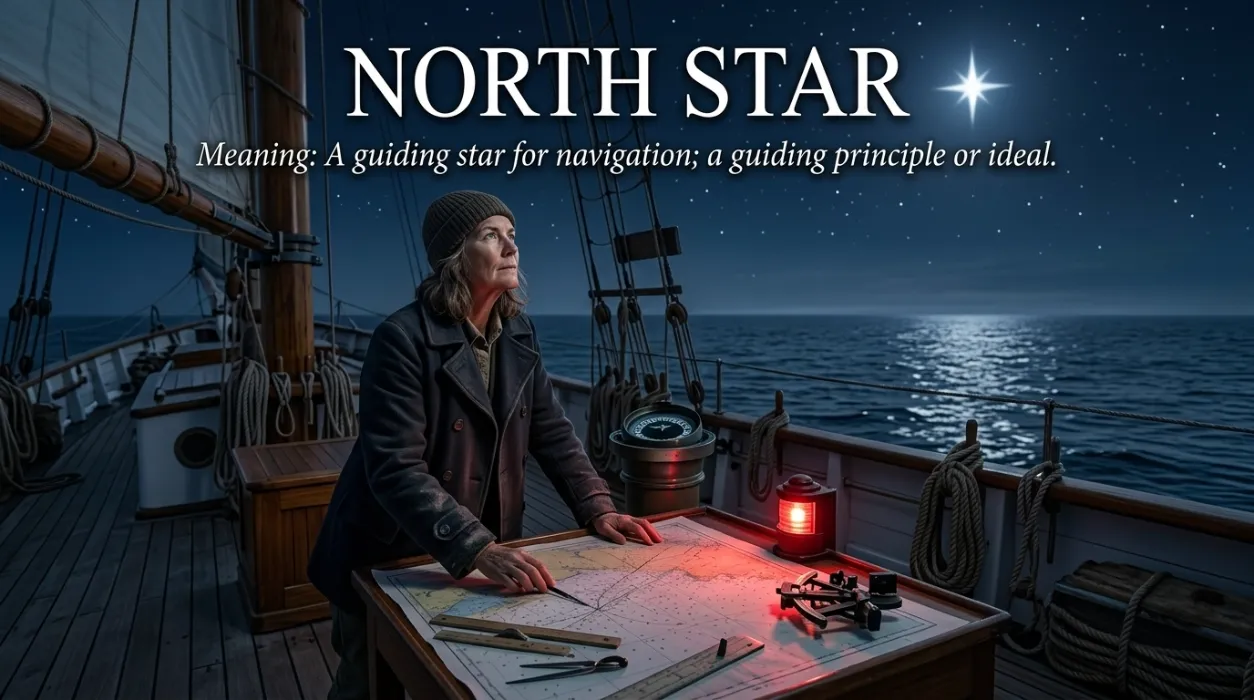
North Star (Noun phrase) — US: /nɔːrθ stɑːr/ — UK: /nɔːθ stɑː/
- Meaning: Polaris; a guiding principle or metric.
- Tone/Register: Modern, professional.
- Example: Customer satisfaction was the company’s North Star.
- Example: Teams aligned their goals with their North Star.
Focal Point (Noun phrase) — US: /ˈfoʊkəl pɔɪnt/ — UK: /ˈfəʊkl pɔɪnt/
- Meaning: The center of interest or activity.
- Tone/Register: Common, descriptive.
- Example: The fireplace was the focal point of the living room.
- Example: Innovation became the focal point of discussions.
Centerpiece (Noun) — US: /ˈsɛntərˌpiːs/ — UK: /ˈsentəpiːs/
- Meaning: A central feature or ornament.
- Tone/Register: Common, descriptive.
- Example: Floral arrangements served as table centerpieces.
- Example: Renewable energy was the centerpiece of the policy.
Heart (Noun) — US: /hɑːrt/ — UK: /hɑːt/
- Meaning: The central or innermost part of something.
- Tone/Register: Common, emotional.
- Example: Compassion is at the heart of their mission.
- Example: They explored the historic heart of the city.
Essence (Noun) — US: /ˈɛsəns/ — UK: /ˈesns/
- Meaning: The intrinsic nature or indispensable quality of something.
- Tone/Register: Philosophical, formal.
- Example: Simplicity is the essence of good design.
- Example: The summary captured the essence of the report.
Spirit (Noun) — US: /ˈspɪrɪt/ — UK: /ˈspɪrɪt/
- Meaning: The non-physical part of a person; mood or attitude.
- Tone/Register: Common, emotional.
- Example: Volunteers showed great community spirit.
- Example: The poem captured the romantic spirit of youth.
Anima (Noun) — US: /ˈænɪmə/ — UK: /ˈanɪmə/
- Meaning: The inner personality or soul (Jungian psychology).
- Tone/Register: Psychological, formal.
- Example: Carl Jung explored concepts of the anima and animus.
- Example: Psychological studies analyzed inner anima archetypes.
Animating Force (Phrase variant) — US: /ˈænɪmeɪtɪŋ fɔːrs/ — UK: /ˈænɪmeɪtɪŋ fɔːs/
- Meaning: That which gives life, energy, or activity.
- Tone/Register: Academic, formal.
- Example: Curiosity was the animating force behind research.
- Example: Passion remained the animating force of the theater group.
Inspiration Source (Phrase variant) — US: /ˌɪnspəˈreɪʃən sɔːrs/ — UK: /ˌɪnspəˈreɪʃn sɔːs/
- Meaning: Origin of creative ideas.
- Tone/Register: Common, direct.
- Example: Nature walks served as an inspiration source for poets.
- Example: Old photographs acted as an inspiration source.
Creative Wellspring (Noun phrase) — US: /kriˈeɪtɪv ˈwɛlˌsprɪŋ/ — UK: /kriˈeɪtɪv ˈwelˌsprɪŋ/
- Meaning: An abundant source of creative ideas.
- Tone/Register: Literary, descriptive.
- Example: Mythology provided a creative wellspring for fantasy writers.
- Example: Her mind was a vast creative wellspring.
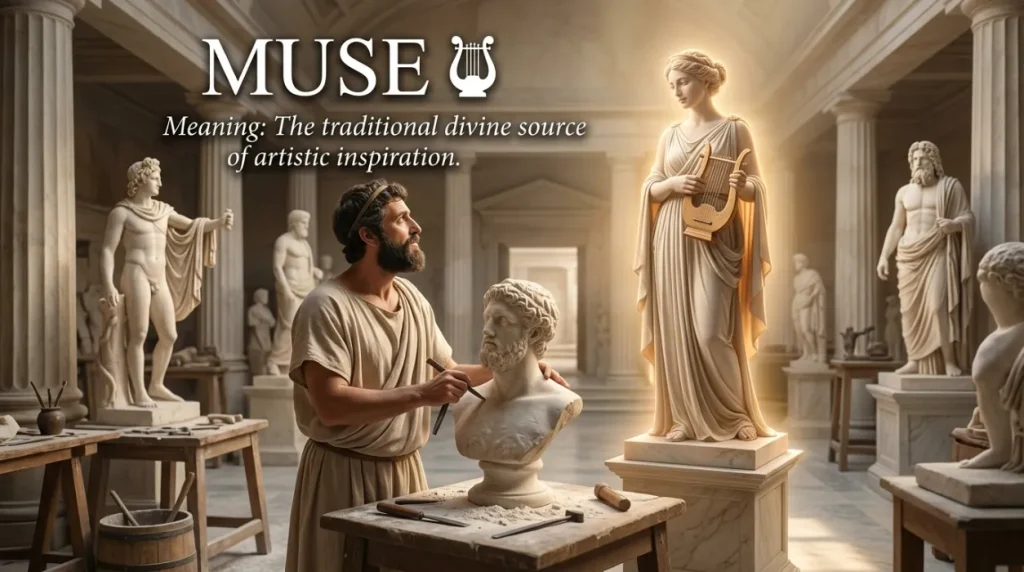
Artistic Muse (Noun phrase) — US: /ɑːrˈtɪstɪk mjuːz/ — UK: /ɑːˈtɪstɪk mjuːz/
- Meaning: The traditional divine source of artistic inspiration.
- Tone/Register: Literary, traditional.
- Example: Painters thanked their artistic muse for beautiful portraits.
- Example: The poet dedicated books to his artistic muse.
Synonyms by Tone
Choosing the right alternative depends entirely on whether you want to sound literary, professional, or everyday casual.
- Positive tone: Inspiration, stimulus, spark, catalyst, guiding light.
- Neutral tone: Influence, origin, root, focal point, source.
- Negative tone: Obsession, fixation (in overdependent contexts).
- Playful/informal tone: Creative spark, helper, brainstorming buddy.
Tone matters because calling a respected artistic mentor your muse sounds poetic and elevated, whereas describing them as a catalyst sounds technical and modern.
Mini Comparison: Muse vs. Inspiration vs. Mentor
- Muse emphasizes a traditional or poetic personified source that sparks creative artistic passion.
- Inspiration focuses broadly on any mental stimulus, idea, or feeling that motivates action.
- Mentor highlights an experienced, active human adviser who guides professional or personal growth.
Use muse for artistic inspiration, inspiration for general motivation, and mentor for active professional guidance.
Context-Based Usage
- Daily conversation: In casual talk, native speakers use friendly terms like spark, influence, or inspiration.
- Writing or blogging: Authors use evocative terms like wellspring, fount, or guiding light to build rich prose.
- Professional or academic tone: Specialists rely on precise terms like catalyst, stimulus, or exemplar.
- Creative or informal use: Bloggers employ vivid terms like creative spark, lodestar, or North Star to describe modern goals.
Common Mistakes & Native Usage
Common Mistakes Learners Make
- Misuse scenarios: Applying ancient mythological words like muse when discussing corporate business strategy meetings.
- Confusing tone: Mixing overly poetic terms like lodestar into casual chats about weekend hobbies.
- Overuse warnings: Repeating the same creative noun throughout an article makes your vocabulary feel repetitive rather than rich.
Register Notes
- Spoken chats favor direct words like inspiration and spark.
- Written essays reward descriptive choices like wellspring, catalyst, and muse.
Real-Life Mini Scenarios
- Workplace: Marketing directors found a fresh creative spark during brainstorming sessions.
- Social situations: Friends gathered at coffee shops to share ideas and discuss their artistic influences.
- Media/pop culture: Biographies detailed how historical painters relied on their favorite muses.
- Writing or storytelling: Authors revised book manuscripts, replacing basic words with a wellspring of literary depth.
Conclusion
In conclusion, muse is a versatile word that can describe a source of inspiration or the act of thinking deeply about something. Its meaning depends on whether it is used as a noun or a verb.
There are several useful synonyms for muse, including inspire, contemplate, ponder, reflect, consider, and think. Choosing the right synonym can make your writing more precise and help you express ideas about creativity and thoughtful reflection.
By understanding muse and its related synonyms, you can expand your vocabulary and communicate your ideas more effectively. Learning how to use these alternatives in different contexts can also make your writing more varied and engaging.
Practice Exercise
- Which noun best describes a person or force that inspires creative artistic work?
- A) Muse
- B) Obstacle
- C) Barrier
- D) Impediment
- What emotional tone does the positive, inspiring term catalyst typically carry?
- A) Something that precipitates change or progress
- B) Destruction
- C) Deep boredom
- D) Complete stagnation
- Which term is ideal for describing an abundant source or supply of ideas?
- A) Wellspring
- B) Desert
- C) Drought
- D) Void
- If an experienced and trusted adviser guides someone’s career, they are a:
- A) Mentor
- B) Opponent
- C) Detractor
- D) Rival
- The formal literary term for an ultimate source from which something flows is:
- A) Fountainhead
- B) Puddle
- C) Drain
- D) Sink
- What part of speech category do words like muse and inspiration belong to?
- A) Nouns
- B) Verbs only
- C) Adjectives only
- D) Conjunctions only
- Which expression is a common modern term for a guiding principle or key metric?
- A) North Star
- B) Blind alley
- C) Dead end
- D) Pitfall
- Describing a person or thing that serves as a model of excellence uses the term:
- A) Exemplar
- B) Amateur
- C) Novice
- D) Beginner
- The formal literary noun for a state of divine or poetic inspiration is:
- A) Muse
- B) Chaos
- C) Confusion
- D) Noise
- Which word describes a small flash of light or an initial creative idea?
- A) Spark
- B) Flood
- C) Avalanche
- D) Deluge
Reflection Task
Write one short, original sentence using the word inspiration to describe a walk in nature.
Answer Key: 1: A | 2: A | 3: A | 4: A | 5: A | 6: A | 7: A | 8: A | 9: A | 10: A
FAQs
1. What does “muse” mean?
“Muse” can mean a person or thing that inspires creativity. As a verb, it means to think deeply, reflect, or ponder something.
2. What are the synonyms for “muse”?
Common synonyms include inspire, ponder, contemplate, reflect, consider, think, and meditate.
3. Is “muse” a noun or a verb?
“Muse” can be both. As a noun, it means a source of inspiration; as a verb, it means to think or reflect deeply.
4. How do you use “muse” in a sentence?
Example: “The beautiful landscape became the artist’s muse.”
5. What is the opposite of “muse”?
Depending on the context, possible opposites include ignore, disregard, overlook, or act without thinking

Hasnain Ali is an SEO Content Strategist and the founder of wordvora.com, a trusted vocabulary platform that helps writers, students, professionals, and English learners find accurate synonyms, antonyms, word meanings, and real-life usage examples. He specializes in keyword research, on-page SEO, topical authority, and creating search-first content that aligns with Google’s latest Search Quality and E-E-A-T guidelines. His work focuses on producing clear, well-structured, and reader-friendly resources that satisfy search intent while maintaining high editorial standards.
Through extensive hands-on experience with SEO tools such as Google Search Console, Google Analytics, SEMrush, and Ahrefs, Hasnain researches user search behavior and develops content that is both informative and easy to understand. Every article published on wordvora.com is carefully reviewed for accuracy, readability, and contextual relevance before publication. His mission is to build one of the web’s most reliable English vocabulary resources by providing practical language guidance, trustworthy explanations, and content that helps readers improve their writing, communication, and vocabulary with confidence.